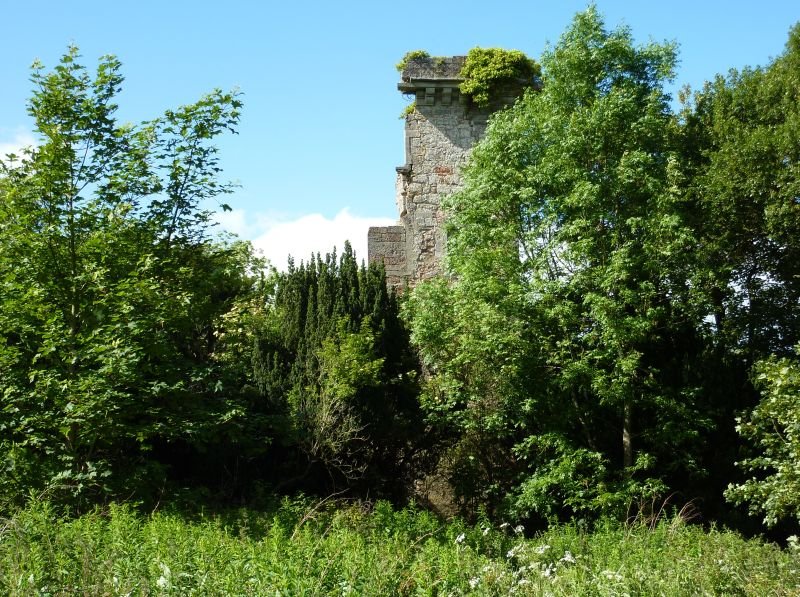

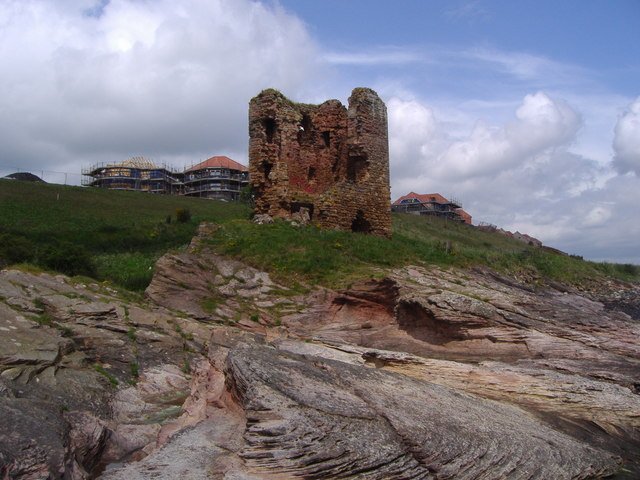
In the heart of Scotland, the Elphinstone Tower - also called the Dunmore Tower or Airth Tower - was built by Sir John Elphinstone as the seat of the barony of Elphinstone. During the reign of Alexander Elphinstone, a gallery and a new hall were added to the structure.
The Elphinstone Estate was purchased for £16,000 by John Murray, son of the 3rd Earl of Dunmore, in 1754. Two years later, he inherited the earldom and renamed the estate Dunmore after his title. While Lord Dunmore built the famous Dunmore Pineapple elsewhere on the estate in 1761, the tower was extended at some point, though there is little evidence it was occupied.
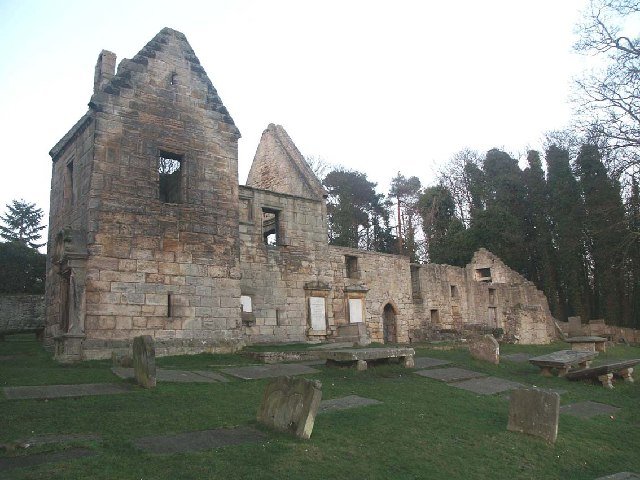
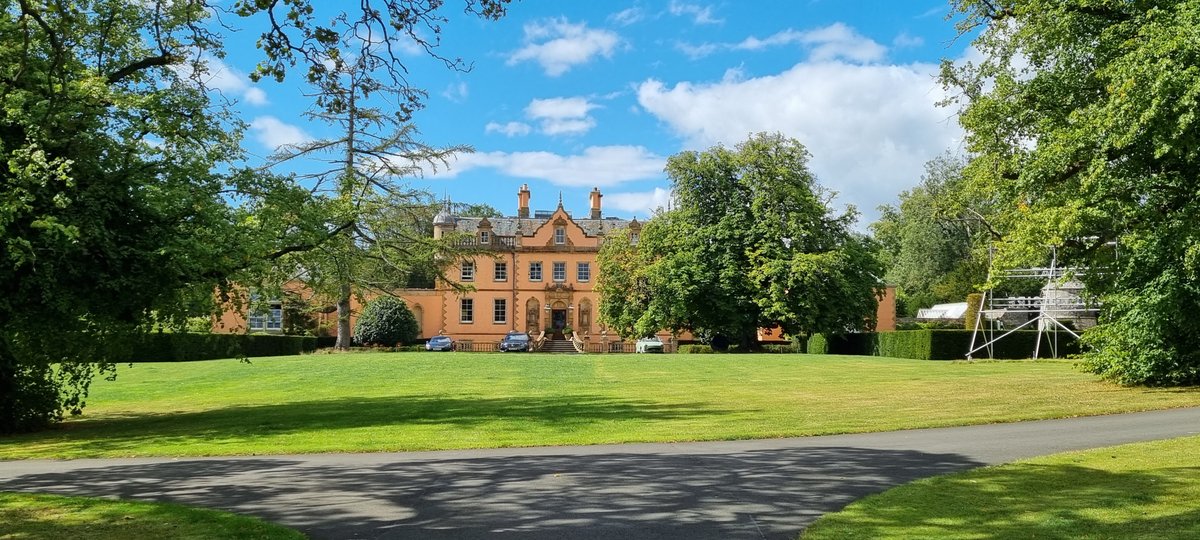
In the 1820s, the 5th Earl commissioned the building of Dunmore Park as the principal residence. The additions to the tower were later demolished to allow for the construction of St Andrew's Episcopal Church, a private chapel completed around 1850. The tower was subsequently restored and the ground floor remodelled as a family burial vault.
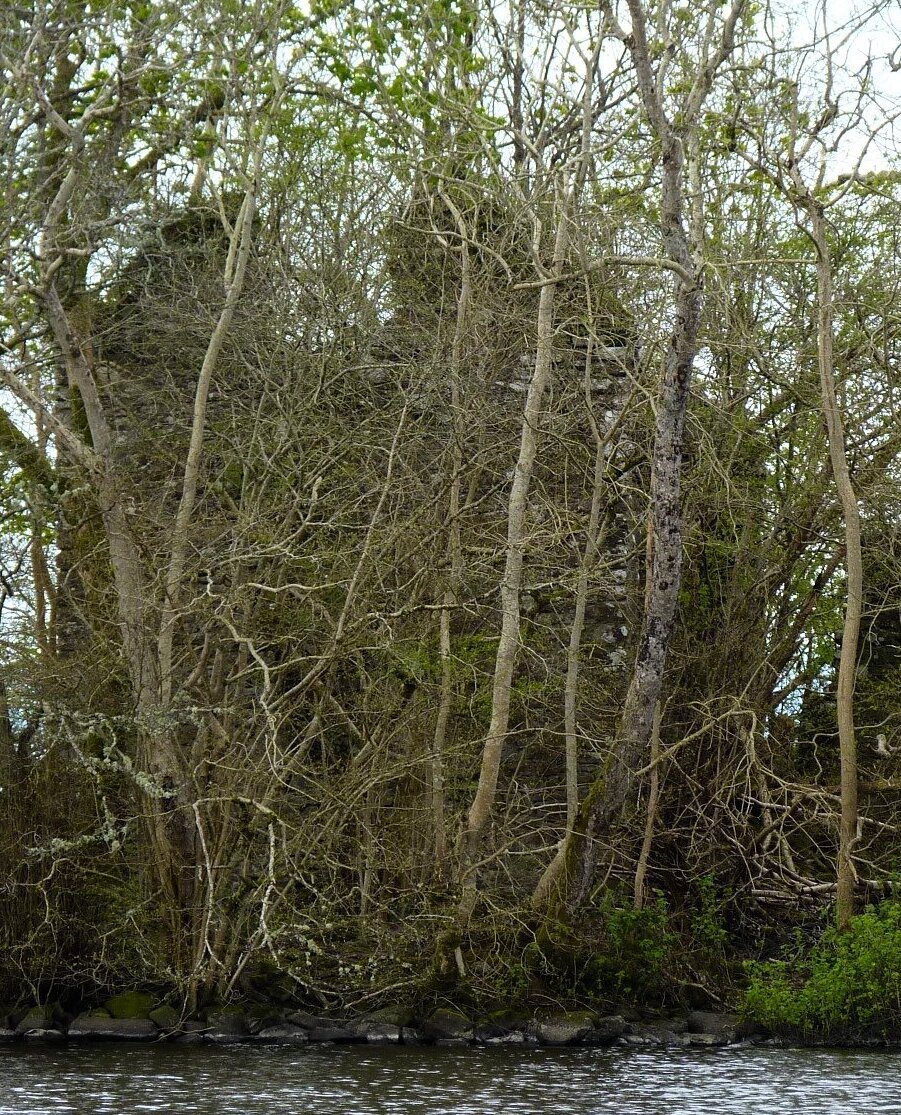
The Murray family left Dunmore in 1911, and the tower has since decayed. After the demolition of St Andrew's Church in the early 1960s, a storm around 1968 caused the north-west angle of the tower to collapse. The tower stands 9 by 7.4 metres (30 by 24 ft), with walls reaching 17 metres (56 ft) high to the parapet.
Sources: Wikipedia, OpenStreetMap, Wikidata, Wikimedia Commons
Written by Nicolo Ciampini
Discuss this with the author and others
No comments yet. Be the first to start the conversation.