
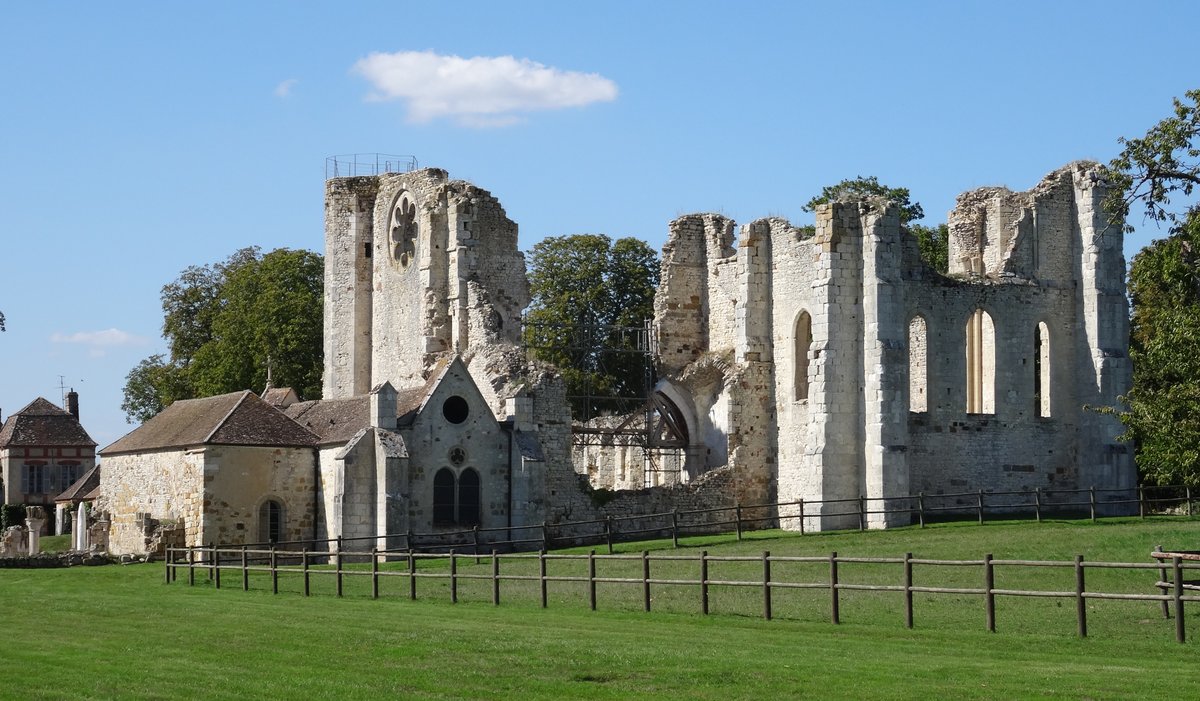
The Cistercian abbey of Jouy, located in the commune of Chenoise in Seine-et-Marne, was founded in 1124 by Thibaut II comte de Champagne. The abbey flourished quickly and founded four daughter abbeys: Bonlieu in 1141, La Noë in 1144, Pontaut in 1151, and Sellières in 1168.
In 1156, Henri Ier de Champagne gave the abbey the forêt de Jouy. The abbey church was completed in 1224, measuring 74 meters long and 20 meters wide, arranged in the shape of a Latin cross. It featured a nave with aisles, a porch, and a transept with chapels. The chevet was designed with three narrow, elongated windows. While Saint Bernard generally prohibited statues, the abbey eventually acquired a statue of the Vierge à l'Enfant.
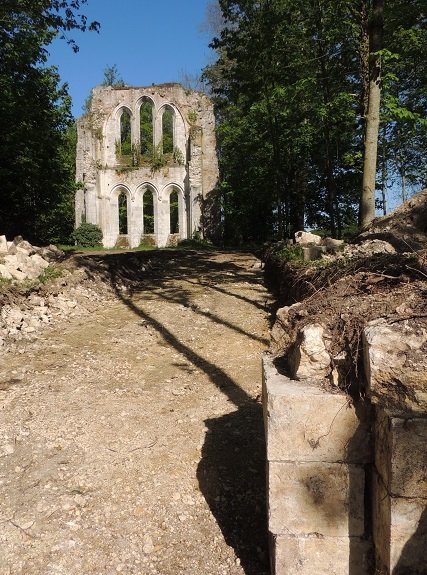
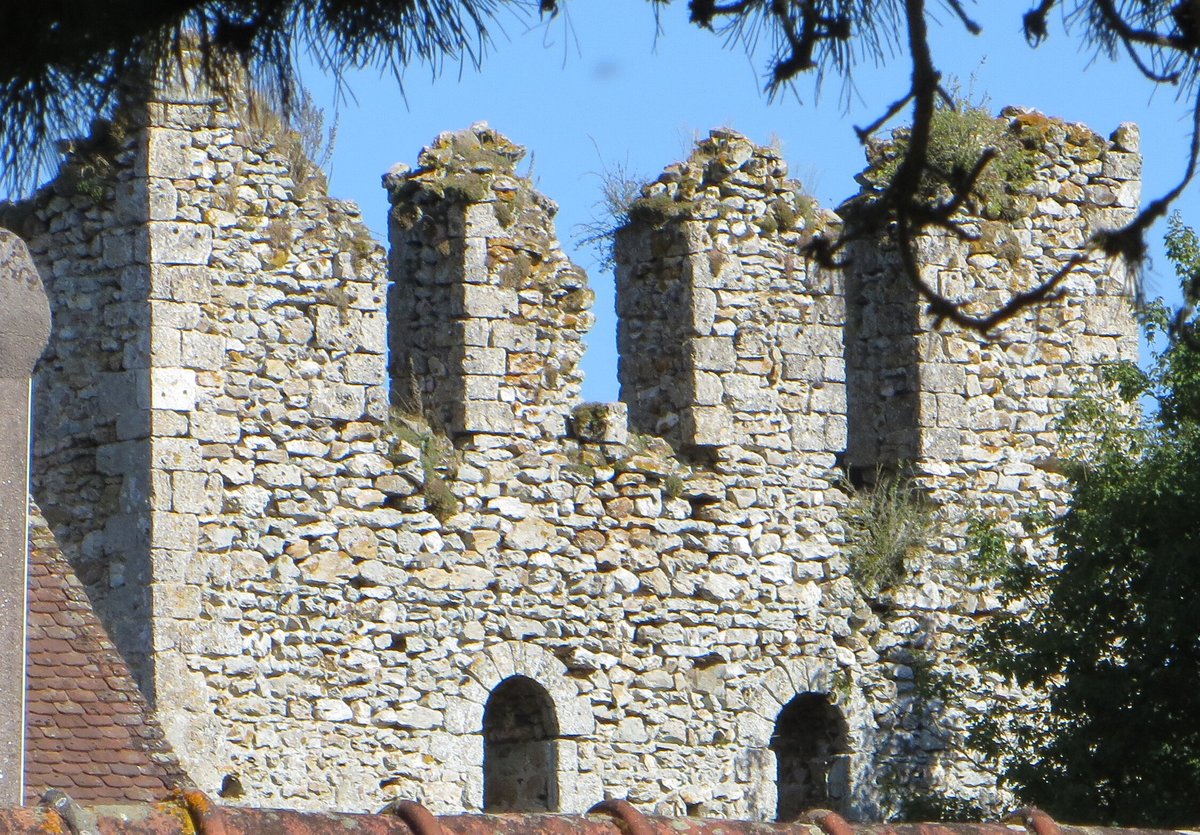
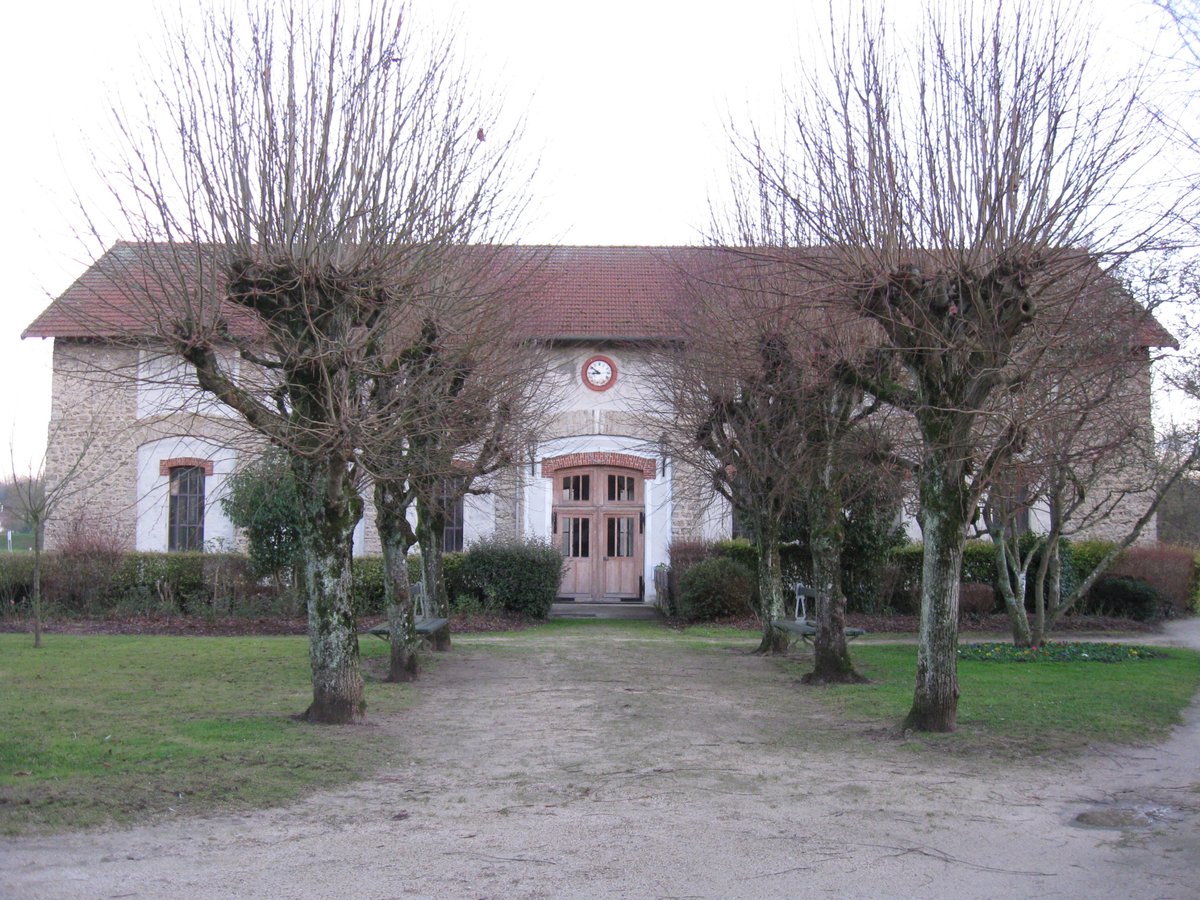
Today, only the chevet remains of the abbey church. These remains, featuring two tiers of pointed arches and an archivolt supported by colonnettes with crochets, were classified as historical monuments in 1942. The rest of the abbey's buildings were converted into a farm during the 20th century.
Sources: Wikipedia, OpenStreetMap, Wikidata, Wikimedia Commons

Written by Nicolo Ciampini
Discuss this with the author and others
No comments yet. Be the first to start the conversation.