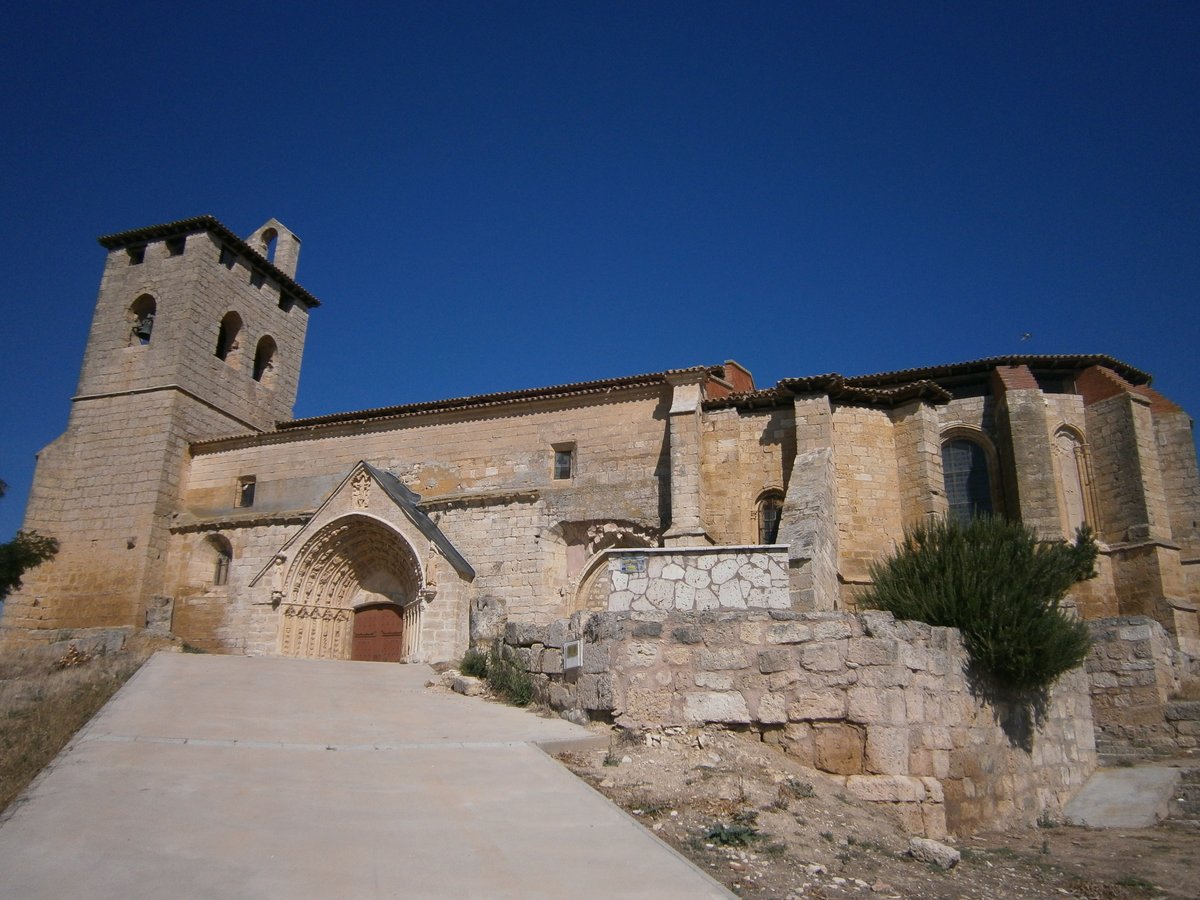

A magnificent timber ceiling from the mid-1400s remained concealed beneath a flat surface in the choir of San Millán for centuries. Recent work has carefully uncovered this timber work, preserving the vibrant details of its design. These scenes of hunting, rural life, and heraldic shields invite us to look closer at the artistry of the old world.
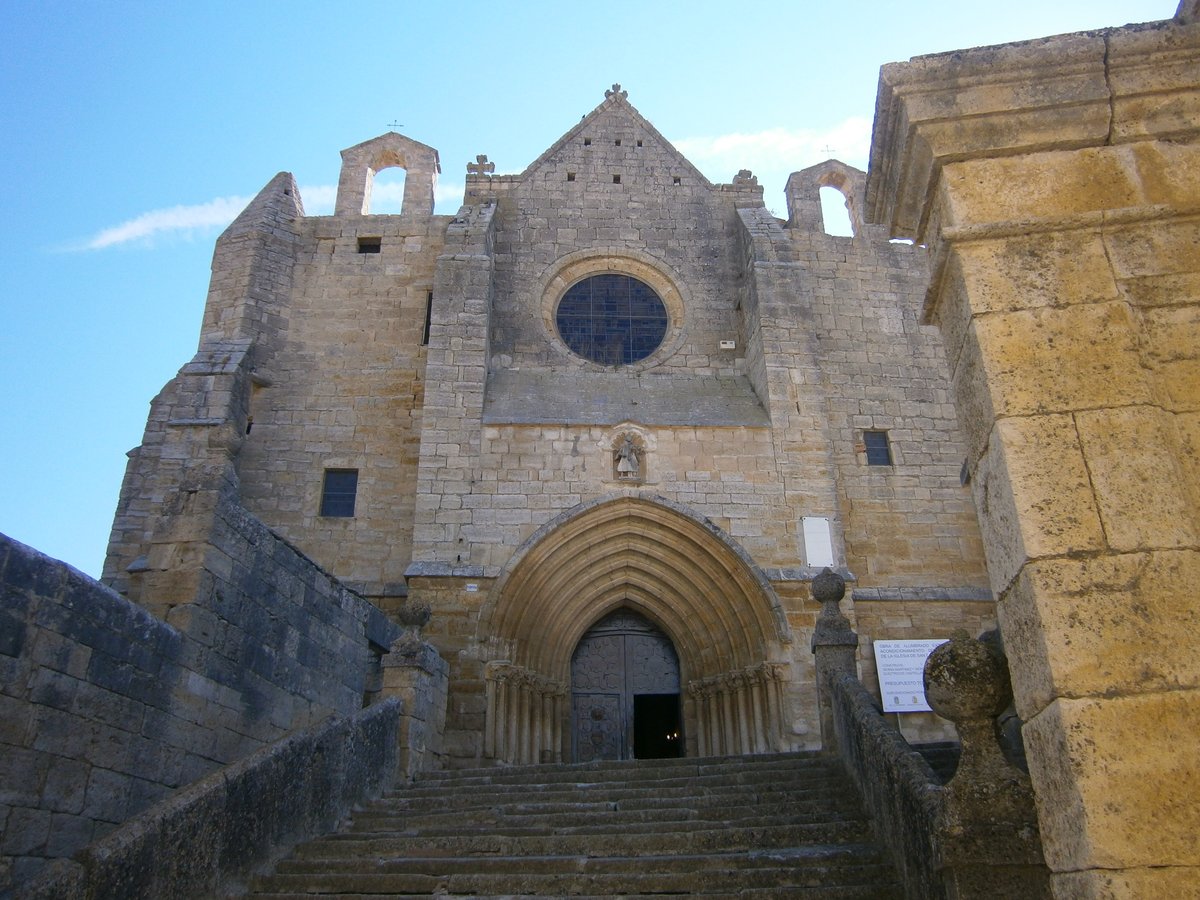
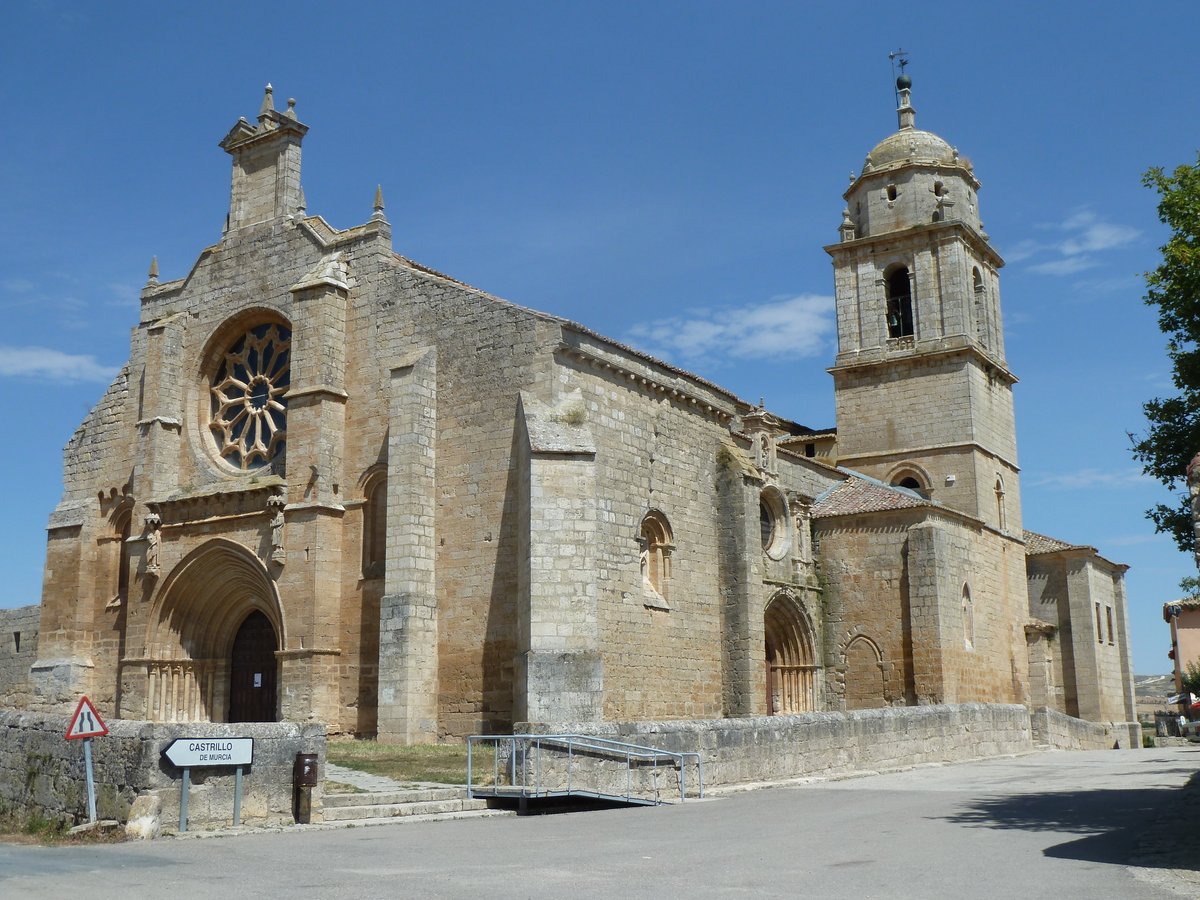
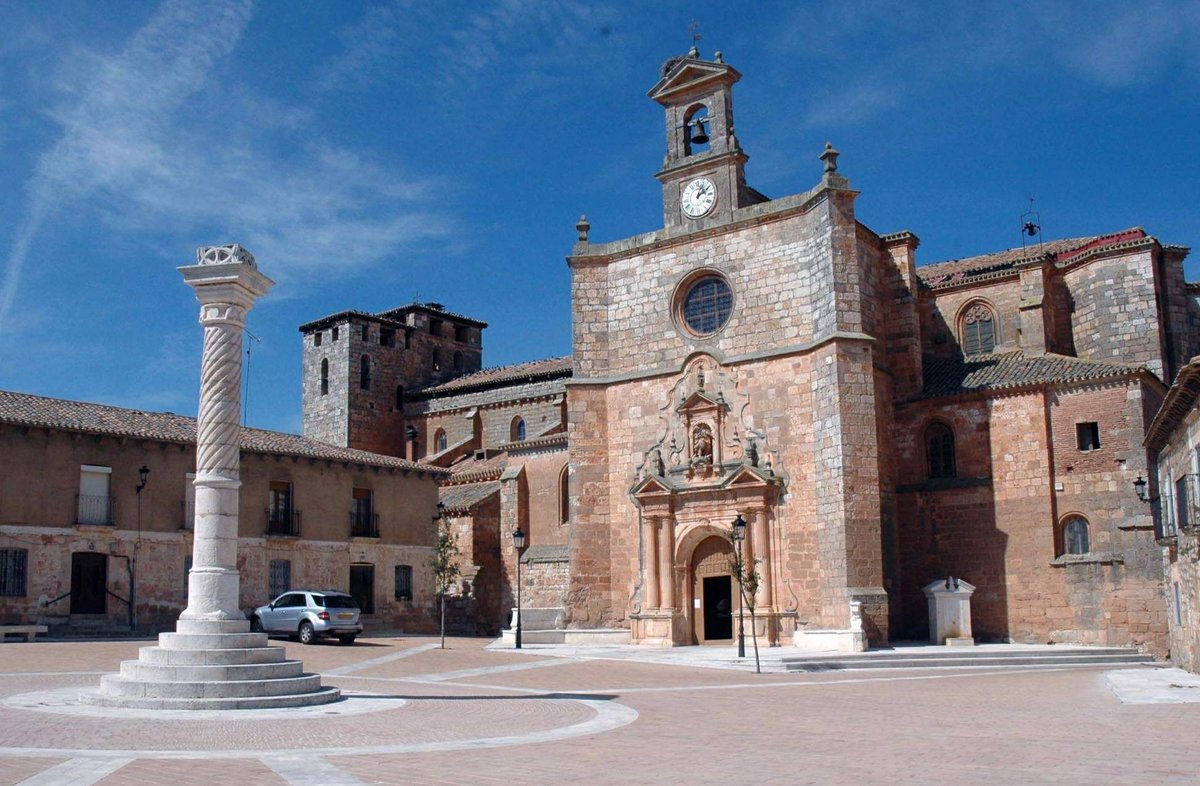
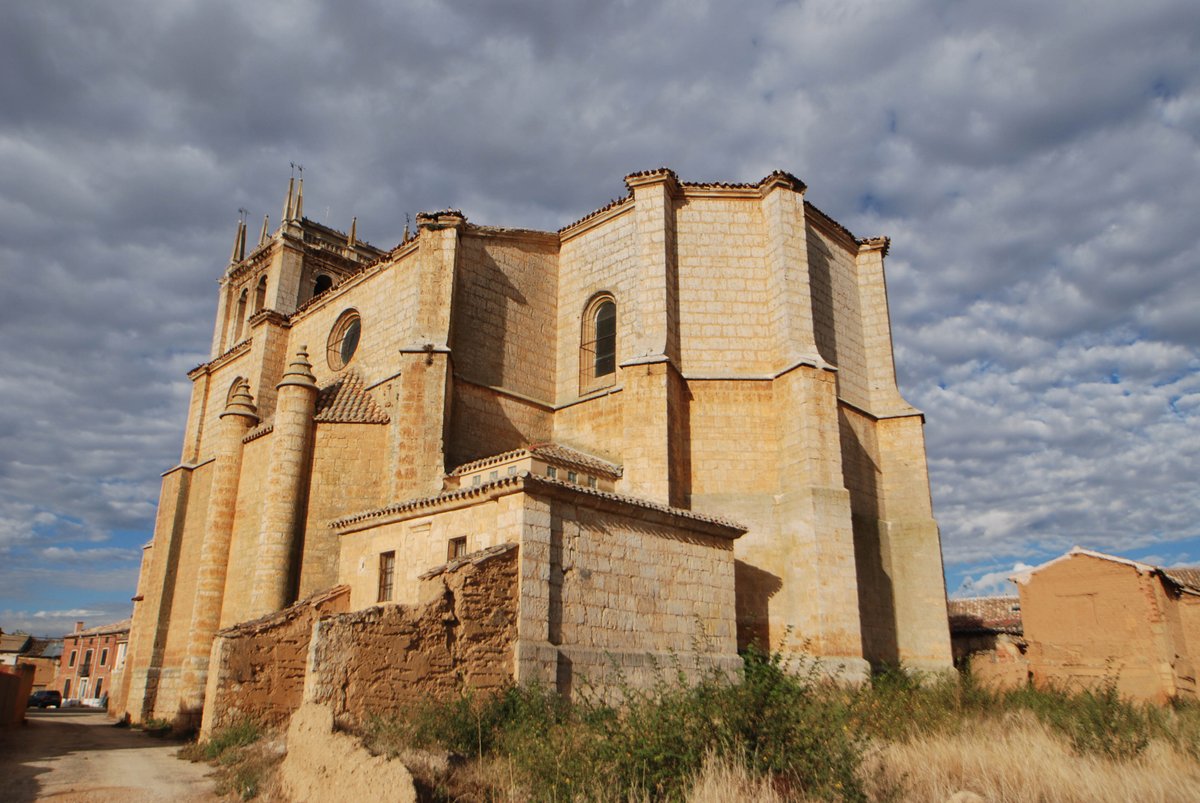
The church stands as a testament to enduring history. Built in the second half of the 13th century over earlier tardorrománico remains, it sits on a hill overlooking the Vallehermoso plain. Its three-aisle hall plan with three apses preserves elements in its columns. The main entrance from the late 1200s retains a wealth of sculptural decoration on its arches for us to study.
Inside, the interior layers of history invite deeper exploration. A crucified Christ from the late 1200s stands in a side altarpiece, while the main altar was updated in the years 1780-1784 by the sculptor José Carcedo. Carcedo framed a collection of late 15th-century paintings by Alonso de Sedano, which show scenes from the life of San Millán de la Cogolla.
Visitors are encouraged to observe the contrast between the weathered 13th-century sculptures and the baroque organ case. The building remains a significant site of cultural interest in the province of Burgos, offering a steady bridge to our past.
Sources: Wikipedia, OpenStreetMap, Wikidata, Wikimedia Commons
Written by Nik Frost
Discuss this with the author and others
No comments yet. Be the first to start the conversation.