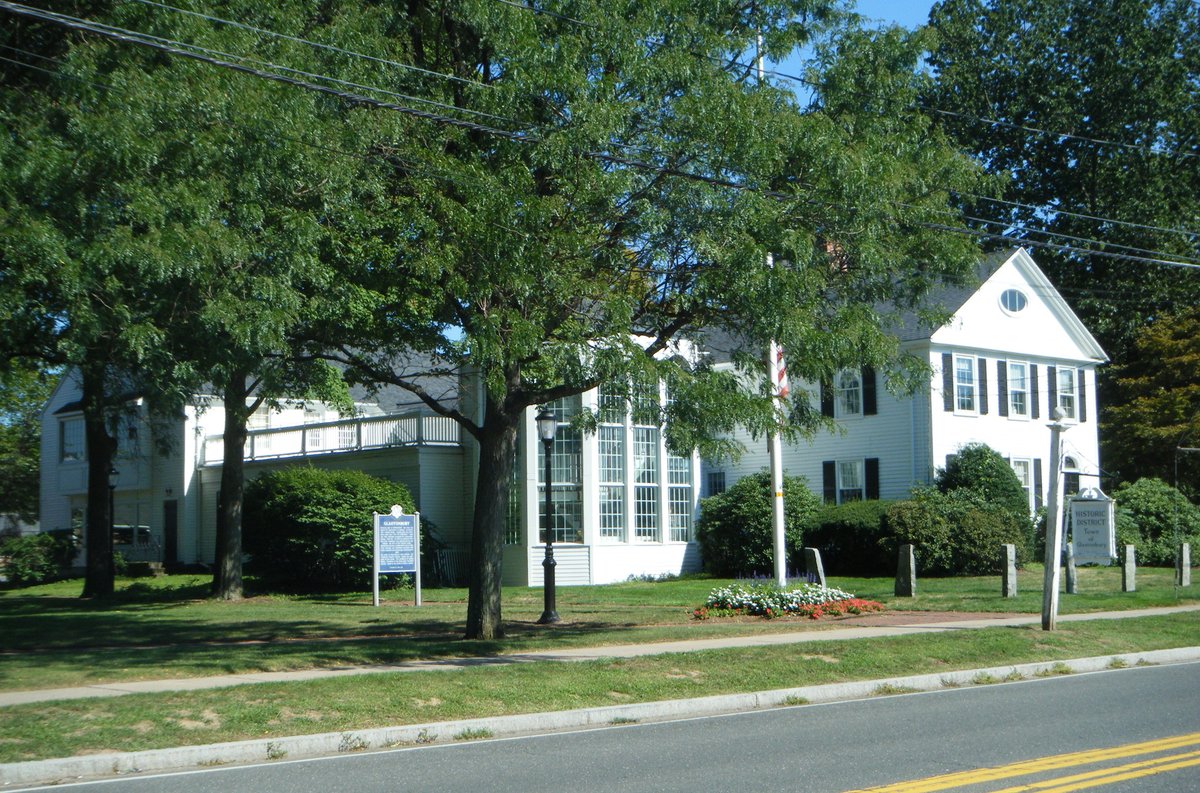

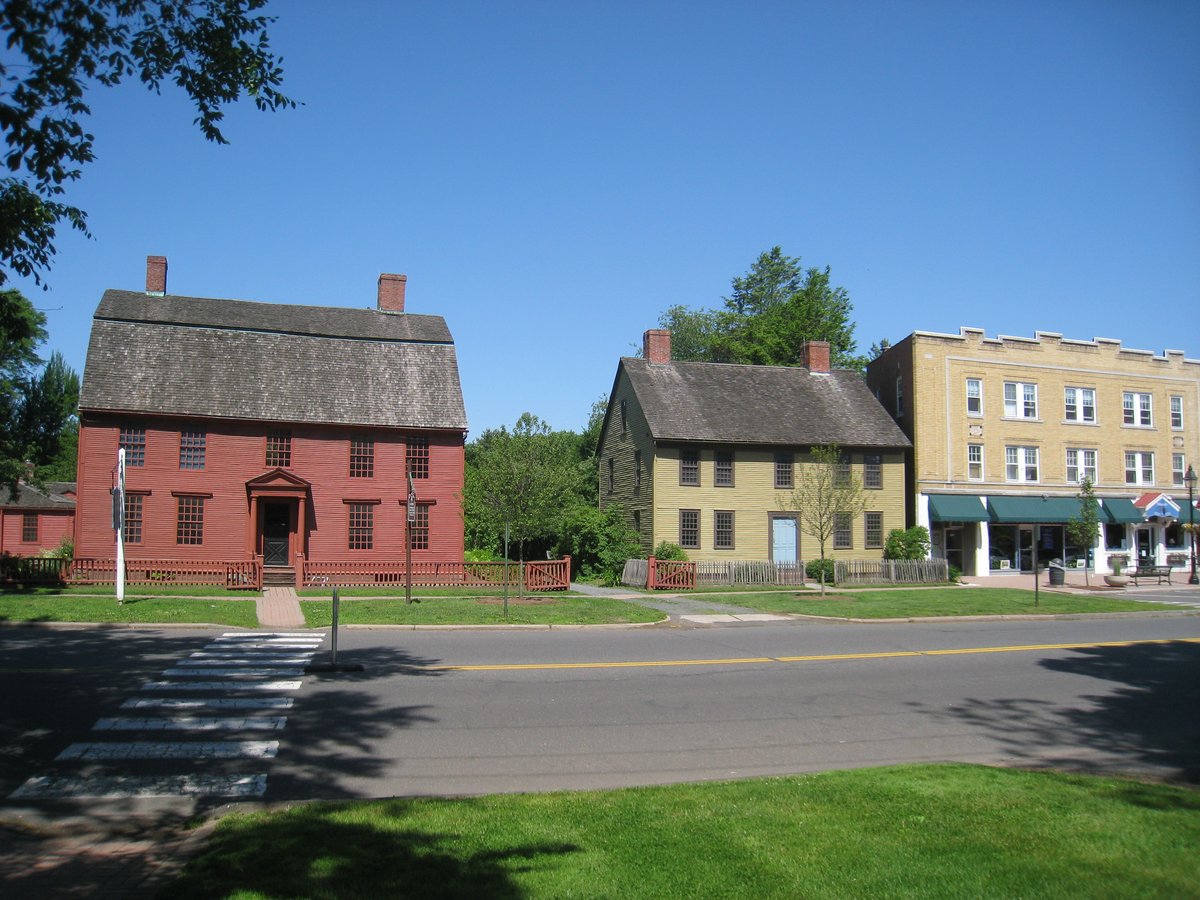
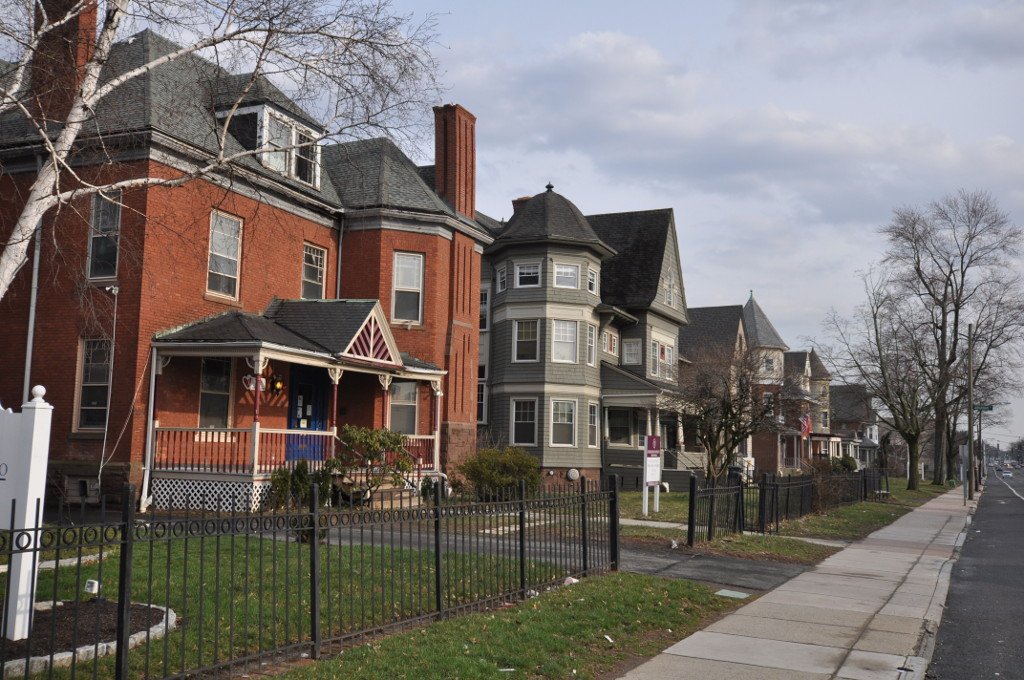
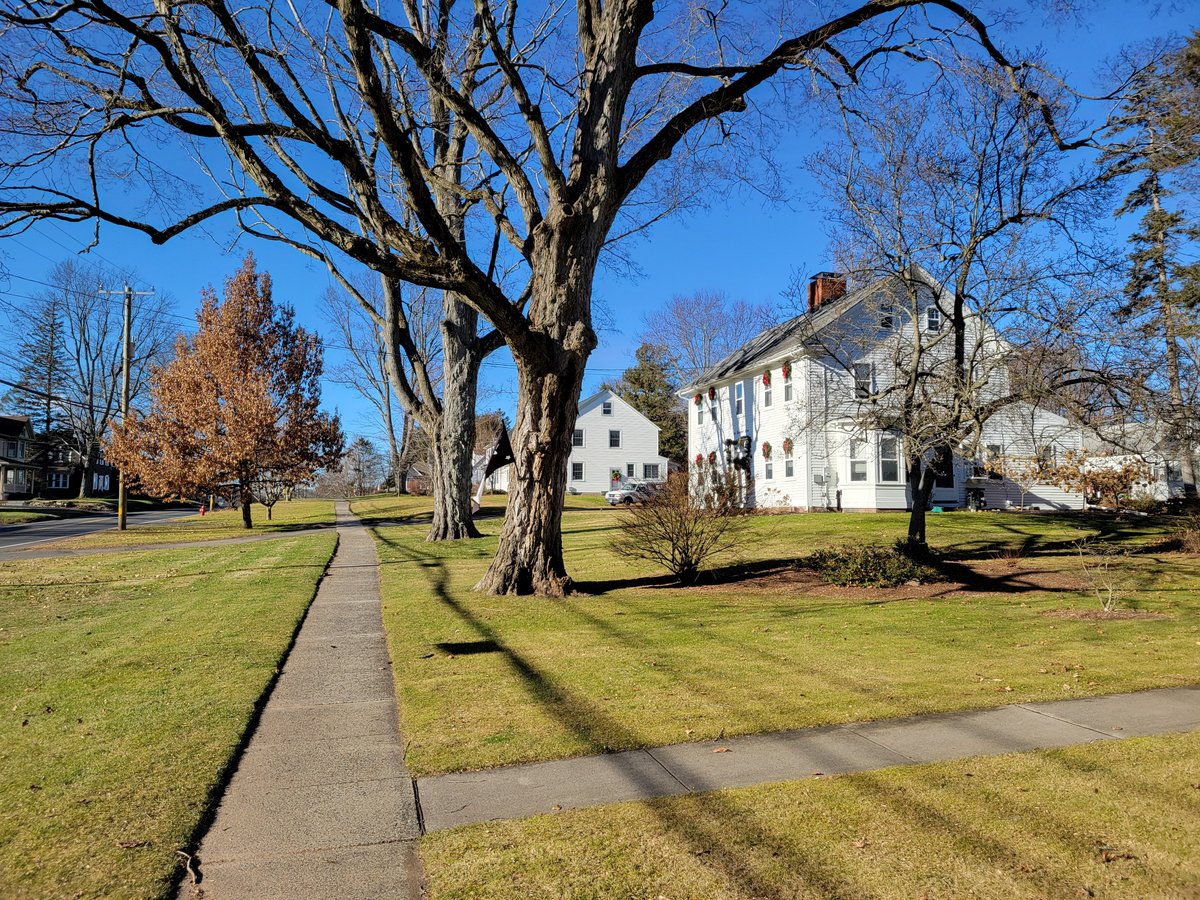
Welcome to Glastonbury's Historic District. This area along Main Street maintains a 17th-century air that has persisted for centuries. Originally a Native American trail, the basic route has been maintained with a broad right-of-way including sidewalks separated from the road by grassy strips. Houses are set well back from the roadway, following an early land distribution practice where strips of land were allocated westward from the road to the river. Near the center of the district is the original colonial center, which includes a small green, the 1840 former town hall - now the historical society museum - and an early cemetery.
Glastonbury's land use patterns remained unaffected by 19th-century developments because the town was bypassed by the railroads and never developed significant industry. It developed as a largely residential area with housing in a diversity of styles, including Colonial, Greek Revival, and Queen Anne architecture among its 81 contributing buildings. The district extends from Hubbard Street in the north to Talcott Road in the south. There are 23 houses in the district built before 1800, representing one of the state's largest concentrations of such architecture.
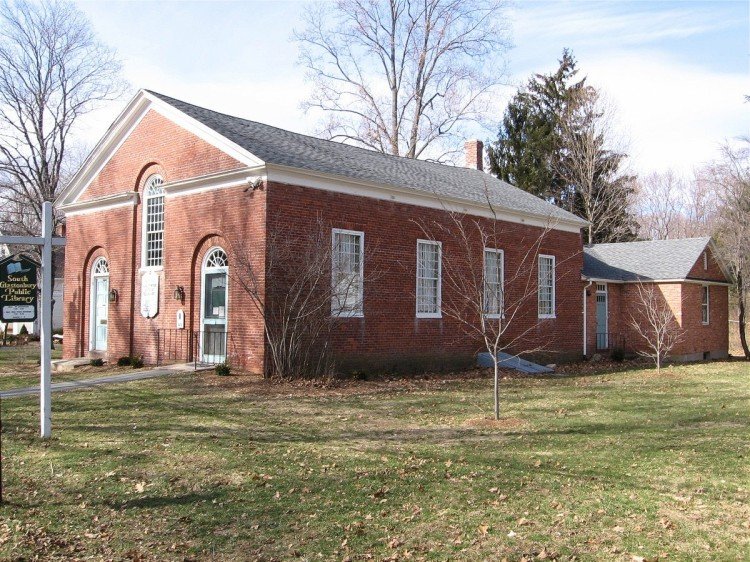
Most of these pre-1800 houses are wood frame construction, with the earliest typically having gambrel roofs and the later Georgian houses having gables. There are a few brick buildings, mostly from the 19th century, including the former and present town halls. Prominent residents of the district include several members of the Welles family: Thomas Welles was an early colonial governor of Connecticut, and Gideon Welles was the United States Secretary of the Navy during the American Civil War. Take a stroll through this district and dive headfirst into Glastonbury's rich past!
Sources: 1. https://www.nps.gov/subjects/nationalregister/index.htm
Sources: Wikipedia, OpenStreetMap, Wikidata, Wikimedia Commons
Written by Friendly Jane
Discuss this with the author and others
No comments yet. Be the first to start the conversation.