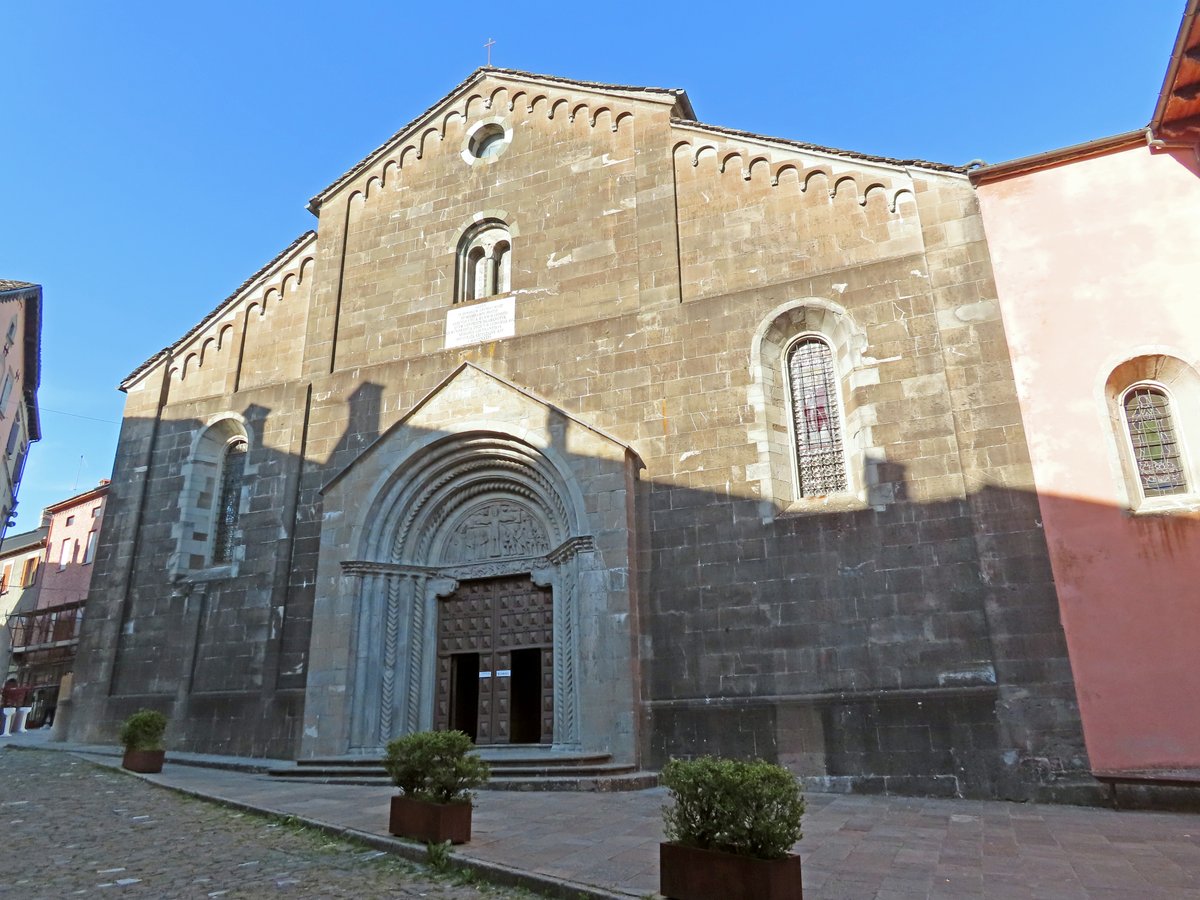

Nestled in the picturesque town of Berceto, Italy, the Roman Catholic church, colloquially known as the Duomo, stands out, sporting a distinct Romanesque style. Tracing its roots back to a Benedictine monastery established by King Liutprand in 719, it later found its place under the Diocese of Parma. The monastery's dwindling numbers led to the property's conversion into a rural parish dedicated to San Moderanno. The Duomo was rebuilt in the 12th century, with the main entrances dating from this era. The sculptural program of the portal offers a tapestry of biblical stories, adorned with figurines of humans and animals, symbolizing vices and sins. What tales they tell, the secrets they hold - it's a curious, hidden story waiting to be uncovered.
Sources: Wikipedia, OpenStreetMap, Wikidata, Wikimedia Commons
Written by Nicolo Ciampini
Discuss this with the author and others
No comments yet. Be the first to start the conversation.