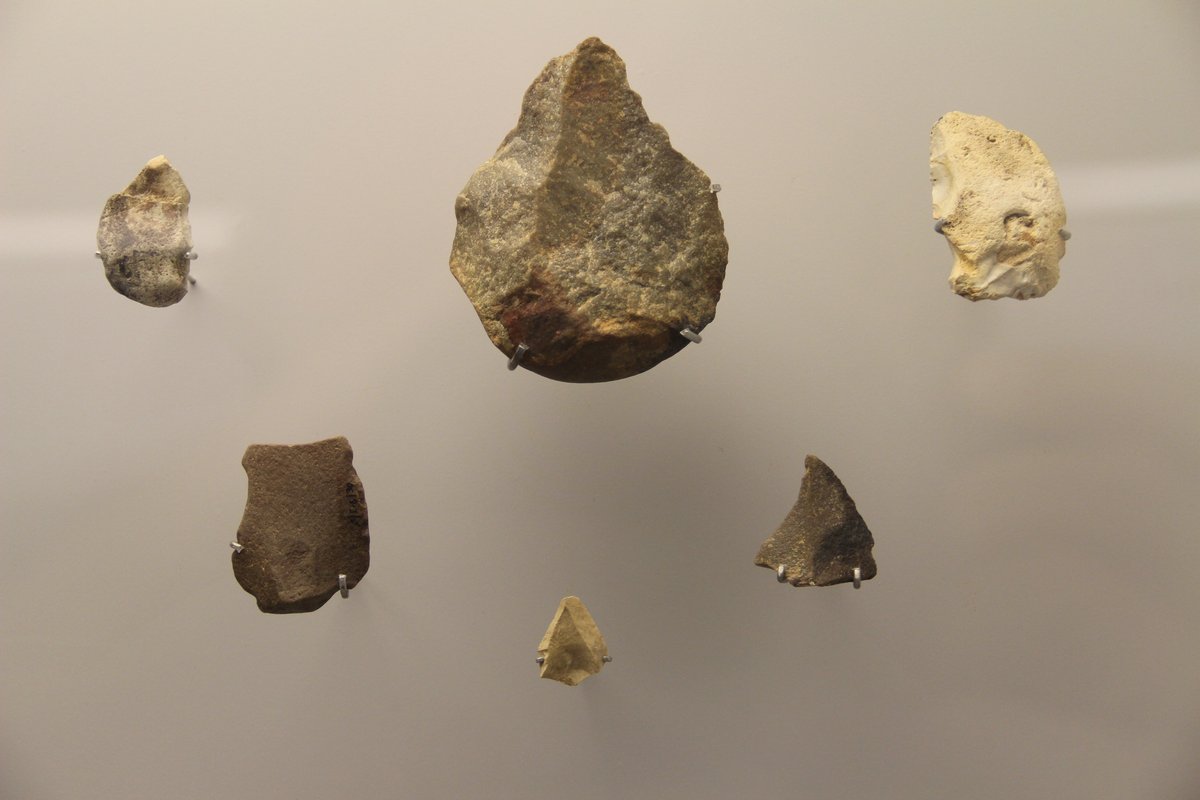

The Sidrón Cave, located in Piloña, Asturias, Spain, is a 3,700-meter-long non-carboniferous limestone karst system, declared a 'Partial Natural Reserve' in 1995. It is home to five bat species and two species of Coleoptera (beetles). However, the cave gained recognition in 1994 when human remains were found. These remains, initially suspected to be from the Spanish Civil War, were eventually identified as Neanderthals. Among the Neanderthals, the remains of a juvenile, El Sidrón J1, are particularly intriguing.
El Sidrón J1 was around 7-8 years old at the time of death. Researchers sequenced the partial nuclear genomes of several individuals from the cave, and while two of these Neanderthals (1253 and 1351c) have the same mutations at position A-911, G-977 in exon 7 of the FOXP2 gene as found in present-day humans, the unique features of El Sidrón J1's remains still offer a wealth of information about the Neanderthal species. El Sidrón J1 exhibits traits of delayed maturation, which is unusual for Neanderthals.
His estimated cranial capacity is 1,330 cm³, around 87% of an average adult Neanderthal cranial capacity. At a comparable age, typical modern human juveniles reach around 95% of the average adult human cranial capacity. Additionally, El Sidrón J1's neurocentral synchondrosis between his thoracic and C1 vertebrae had not yet fused, a feature usually found in modern humans two years earlier. The exceptional preservation of the El Sidrón J1's remains, with very limited erosion and no major carnivore tooth marks, provides researchers with valuable insights into the lives of the Neanderthals who may have lived in the cave.
Three scenarios suggest how these Neanderthals might have ended up in Stratum III: flooding, cave collapse, or disposal by cannibals. Despite this, researchers have yet to determine the precise cause of death for the Neanderthals found in the cave.
Sources: Wikipedia, OpenStreetMap, Wikidata, Wikimedia Commons
Written by Nik Frost
Discuss this with the author and others
No comments yet. Be the first to start the conversation.