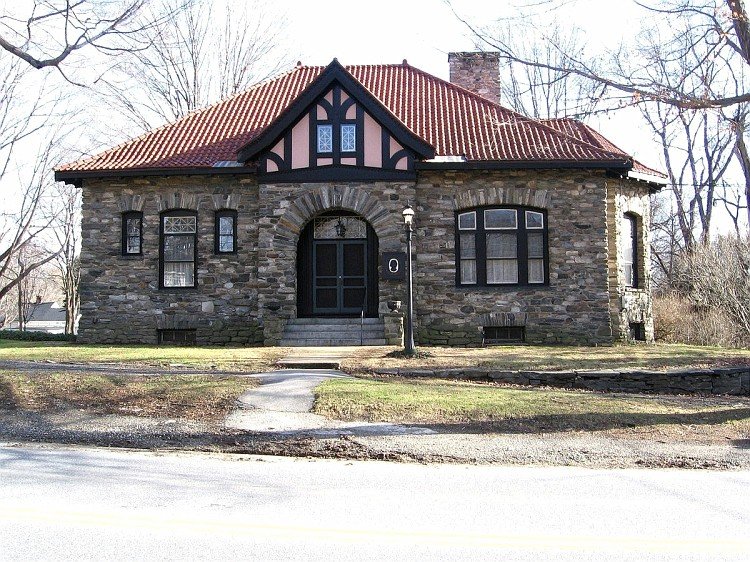
Thompson Hill was the town's early civic and economic center until railroads bypassed the village in 1850, shifting the economic focus to mill villages. The area now retains well-preserved architecture from the 18th and early 19th centuries. The district was officially listed on the National Register of Historic Places in 1987.
Settlers landed around 1700, and a tavern opened on the hill by 1716 to serve travelers on the main road to Providence. Residents petitioned for a separate parish in 1730, leading to the construction of a meeting house in 1735. The area saw continued development in 1797 when turnpikes intersected here, spurring additional traffic and growth until the mid-19th century.
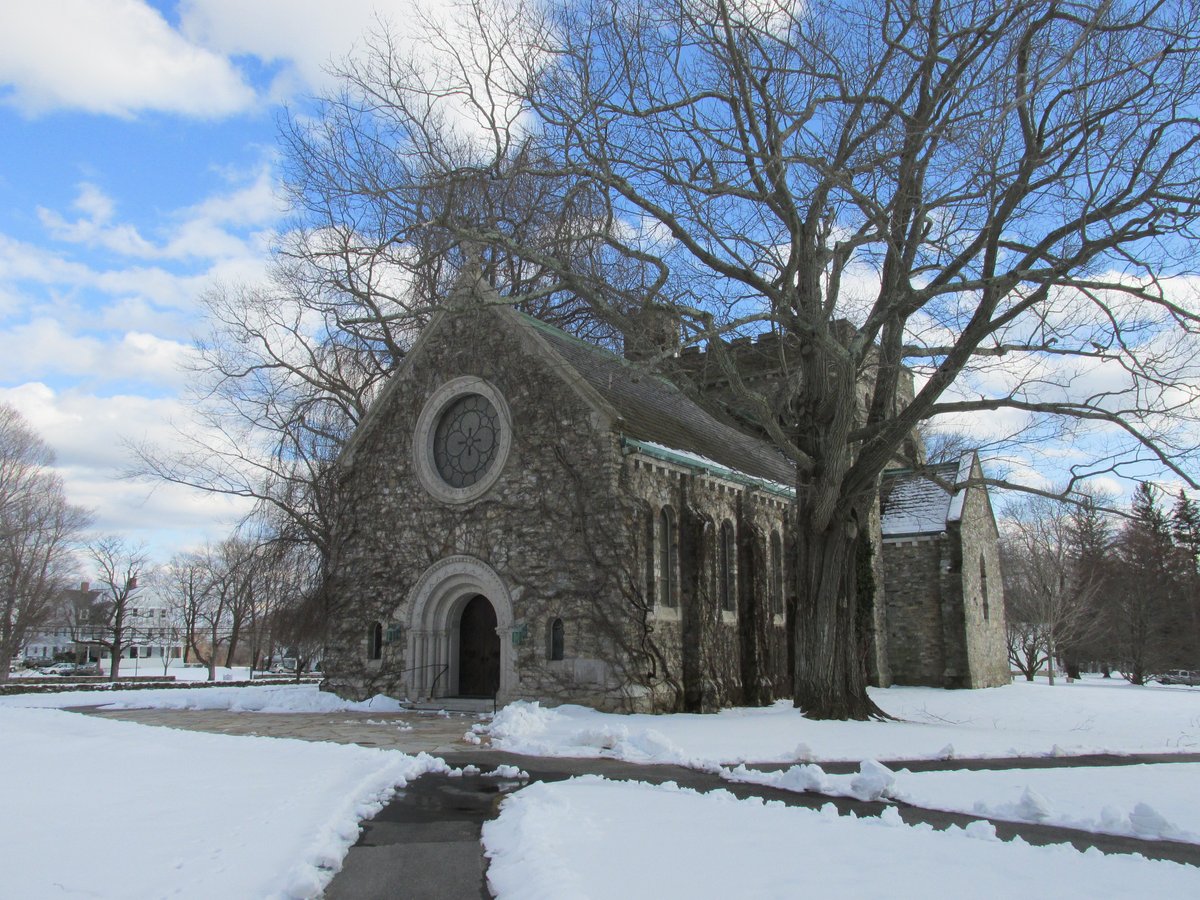
The district spans 550 acres and includes more than 100 historically significant buildings. Notable structures include the Thompson Congregational Church, the original Thompson Meeting Hall, and the Ellen Larned Museum. The district also contains the site of Norman B. Ream's former country estate, which features grounds designed by the Olmsted Brothers firm.
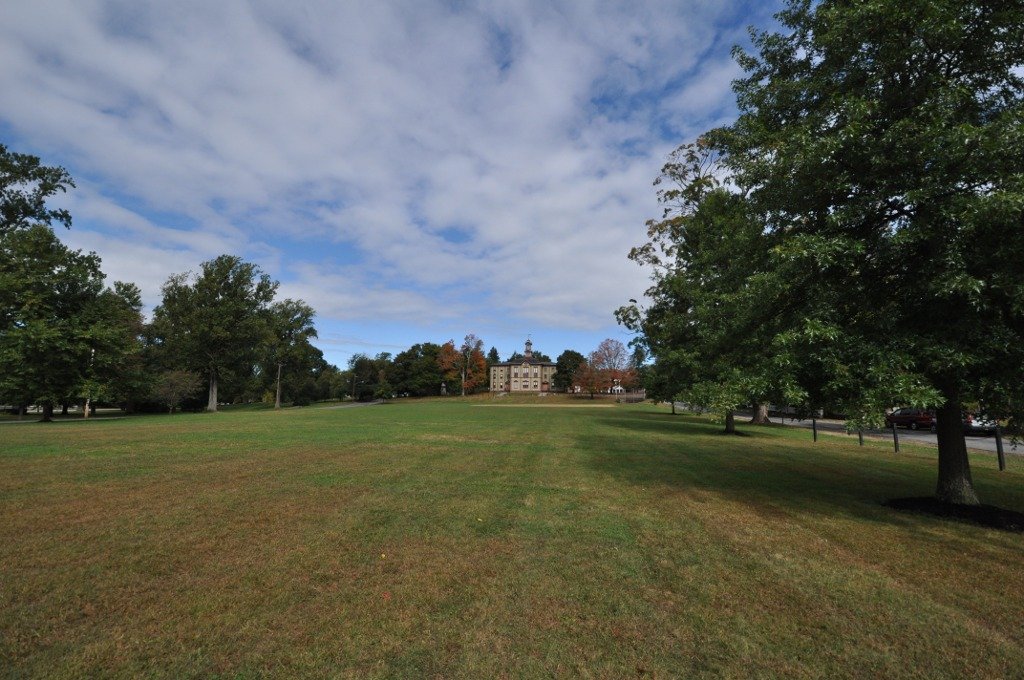
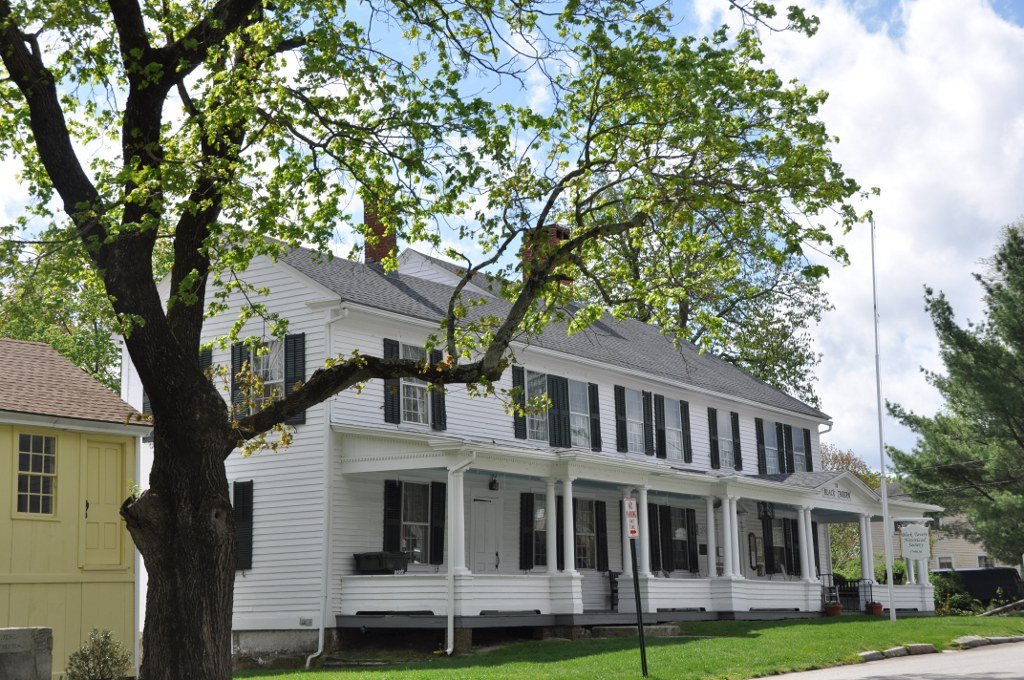
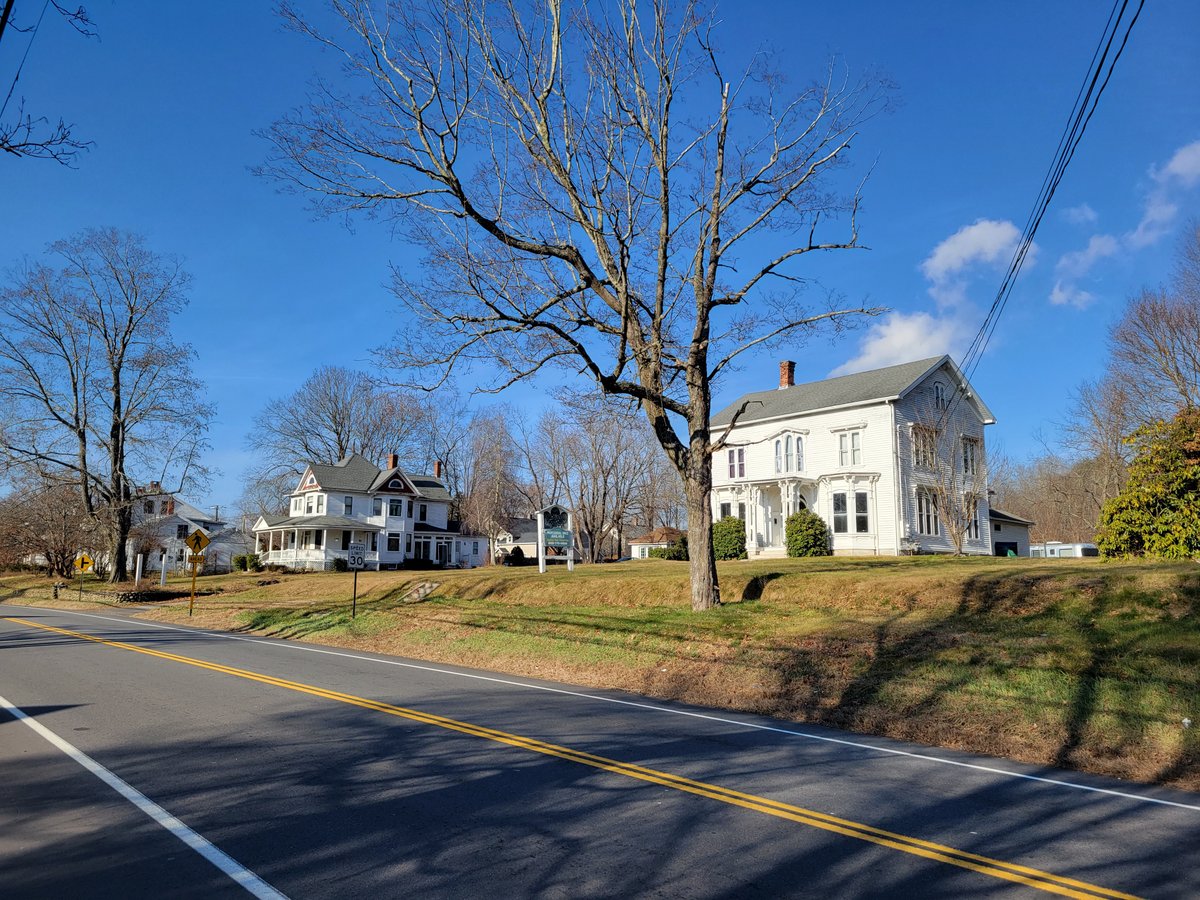
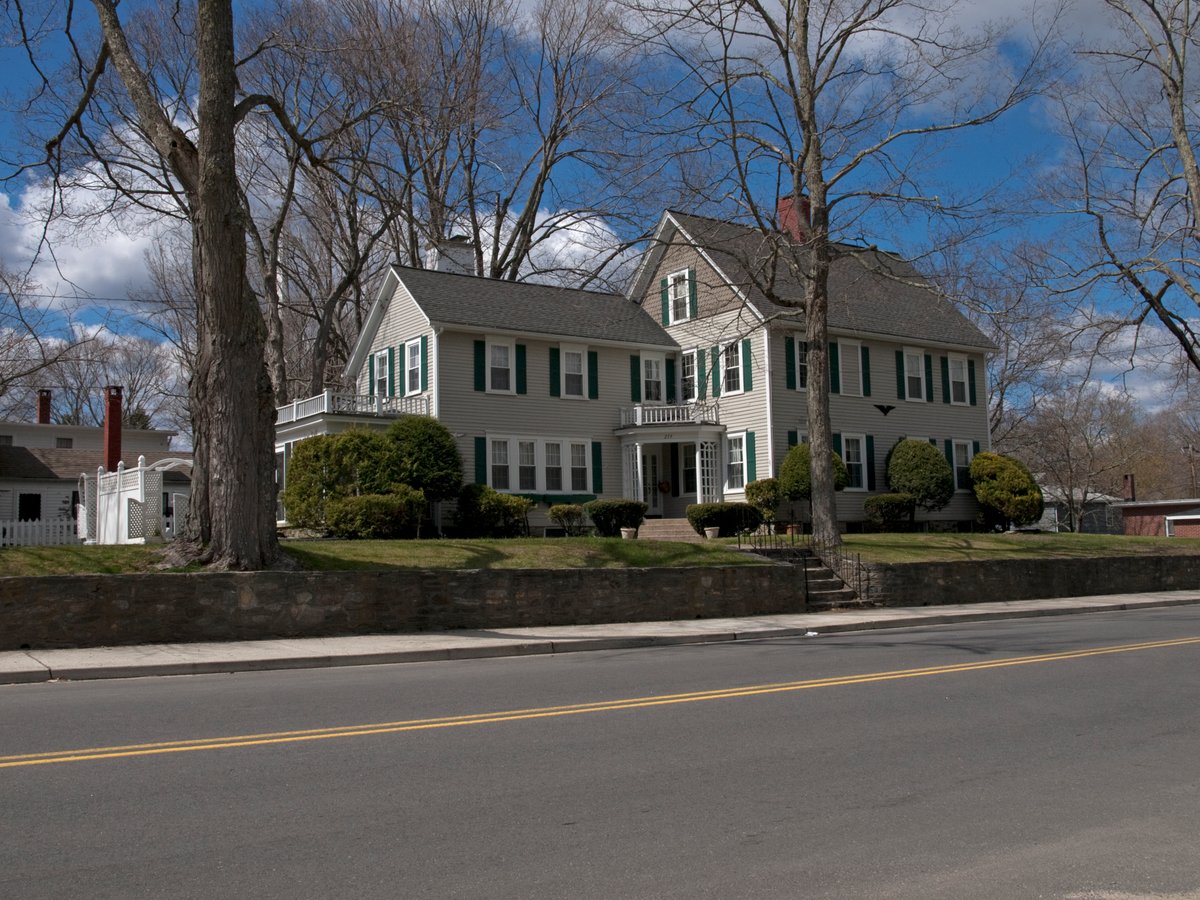
At the center of the 550-acre district is the Thompson Center Green, which was laid out when the town was established in 1735. Today, the area preserves the village center's historic character, including The Cottage House, a historic bed and breakfast, and several other houses built during the early-to-mid 19th century.
Sources: Wikipedia, OpenStreetMap, Wikidata, Wikimedia Commons
Written by Leroy
Discuss this with the author and others
No comments yet. Be the first to start the conversation.