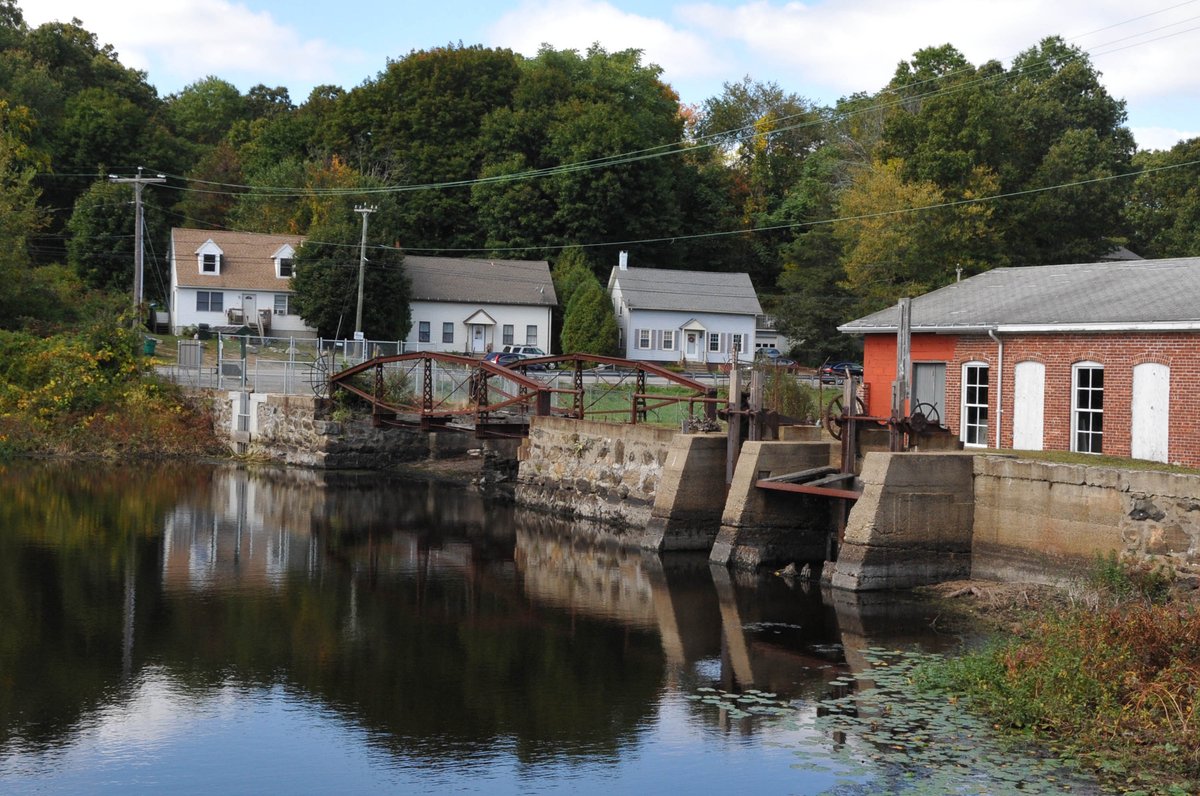
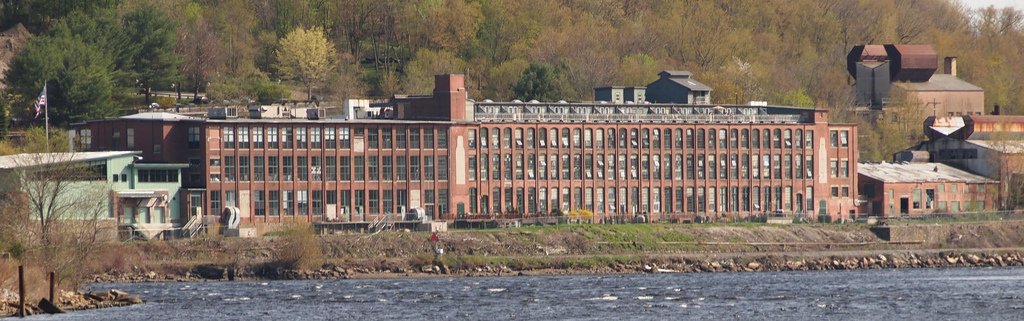
In 1857, Joseph Hall, Sr, a weaver born in England, built an industrial-scale woolen mill on a site that originally featured a fulling mill built in 1752. This facility, which became the Hall Brothers' Woolen Mill, was continually expanded and remained under his family's ownership. By 1888, the mill employed 175 workers and produced 860,000 yards of cloth annually.
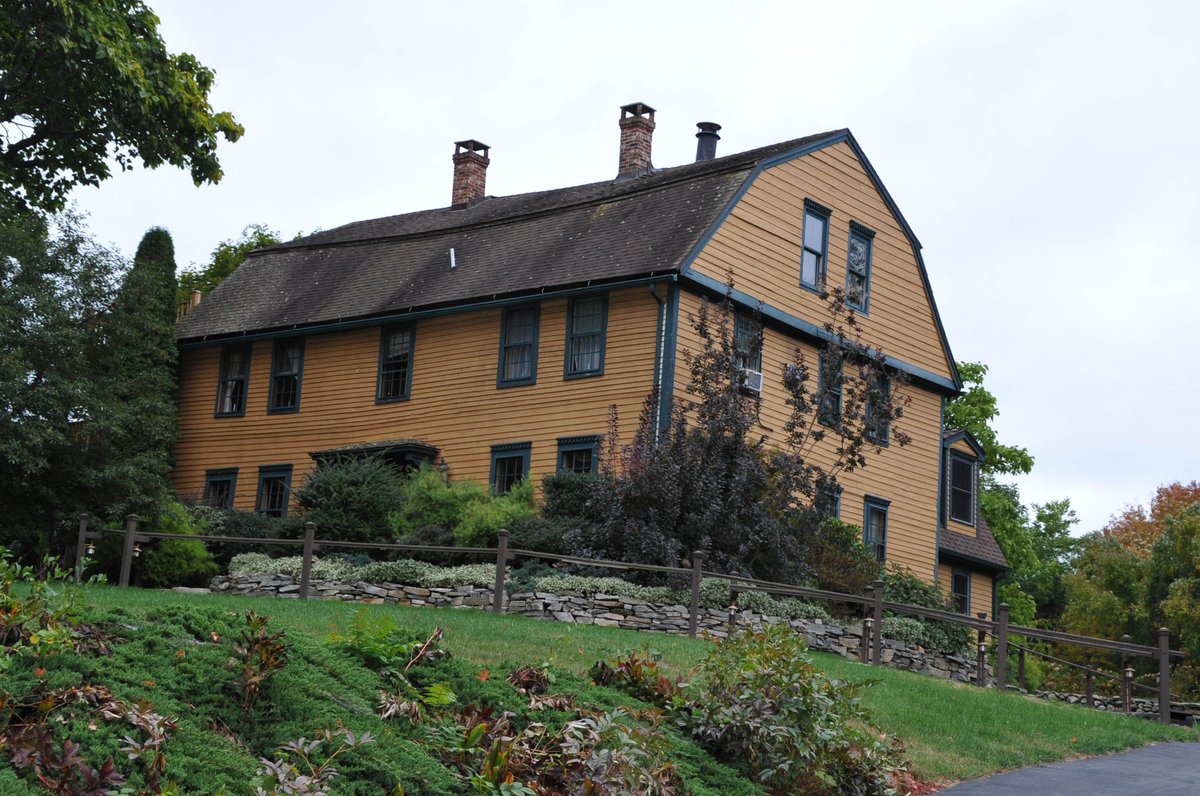
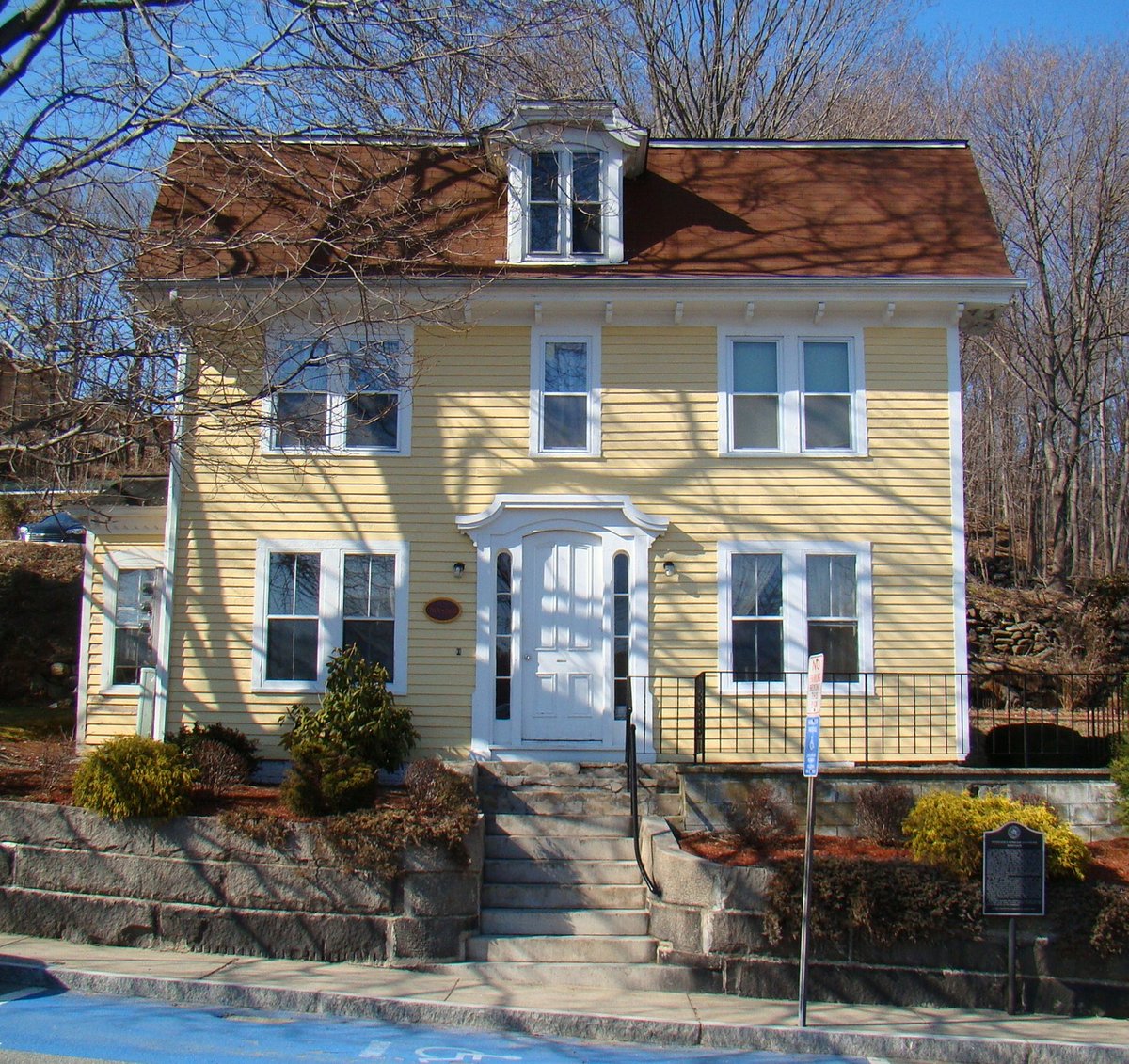
The district is significant as an intact representative small-scale 19th-century mill village. It contains a high concentration of buildings and structures built as components of a company-owned town based initially on so-called Rhode Island manufacturing system. The site includes 23 buildings and one other contributing site over a 50-acre area, along with the dam that forms Hallville Pond and worker housing.
Manufacturing continued in Hallville until the 1960s, despite the woolen mill burning in 1943. The district also contains the Hallville Mill Bridge, a lenticular pony truss bridge built circa 1890 by the Berlin Iron Bridge Company. Today, increased traffic volumes on Route 2A, attributed to nearby casinos, are considered a threat to the historic character of the village.
Sources: Wikipedia, OpenStreetMap, Wikidata, Wikimedia Commons
Written by Leroy
Discuss this with the author and others
No comments yet. Be the first to start the conversation.