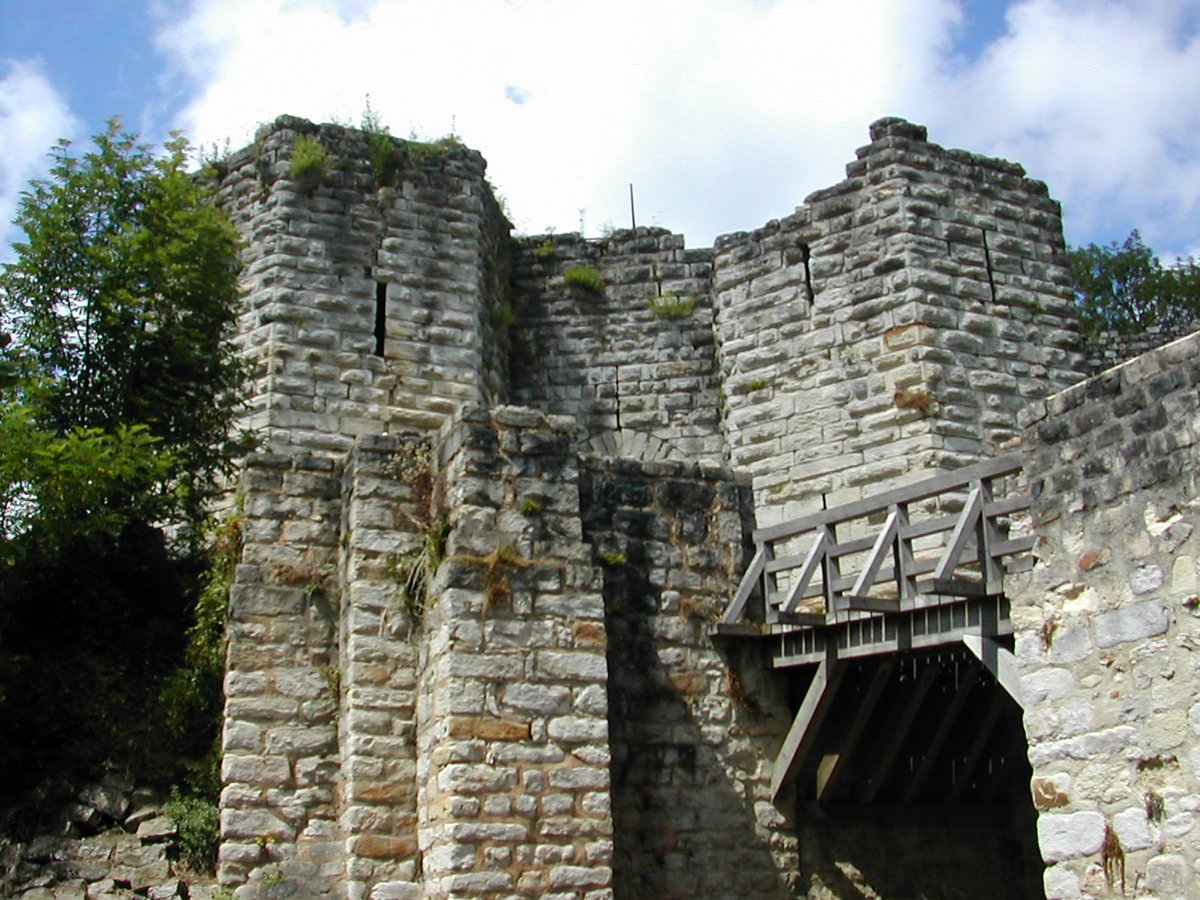

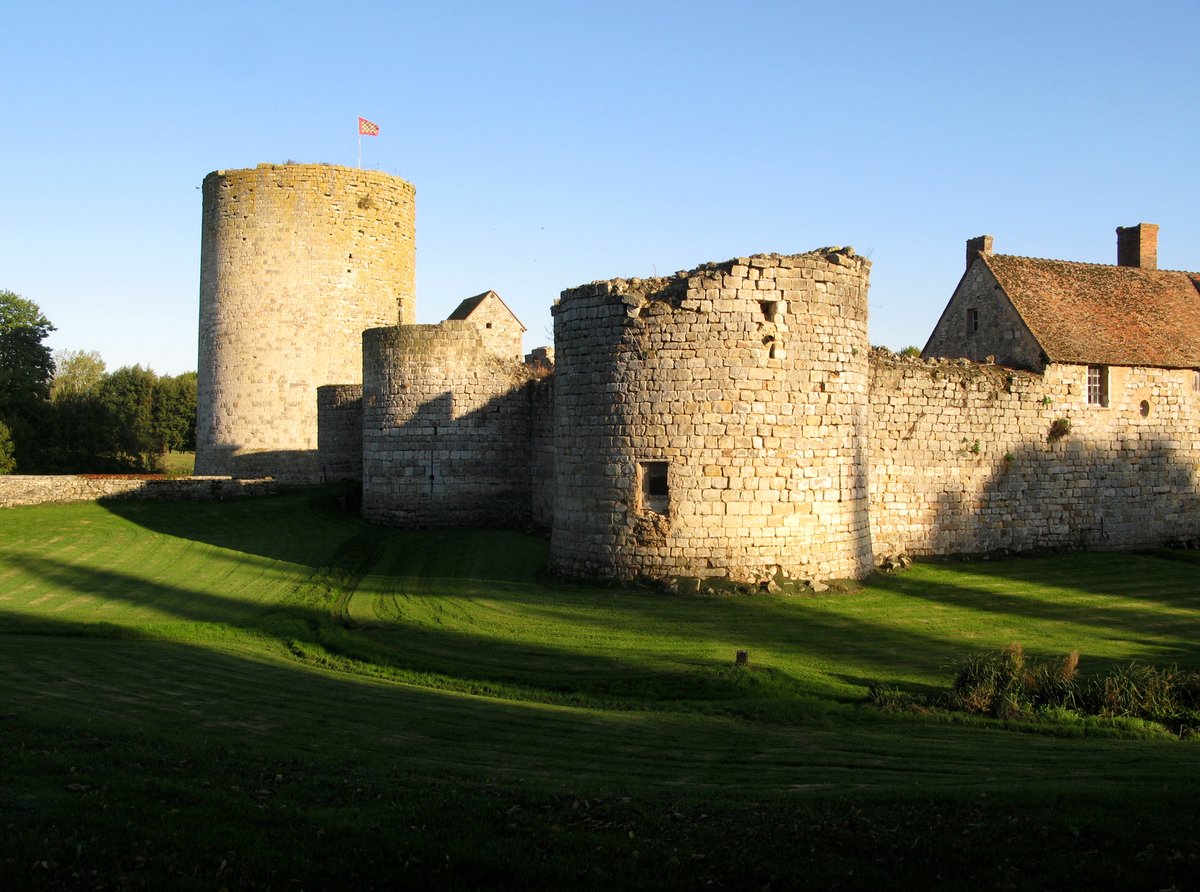
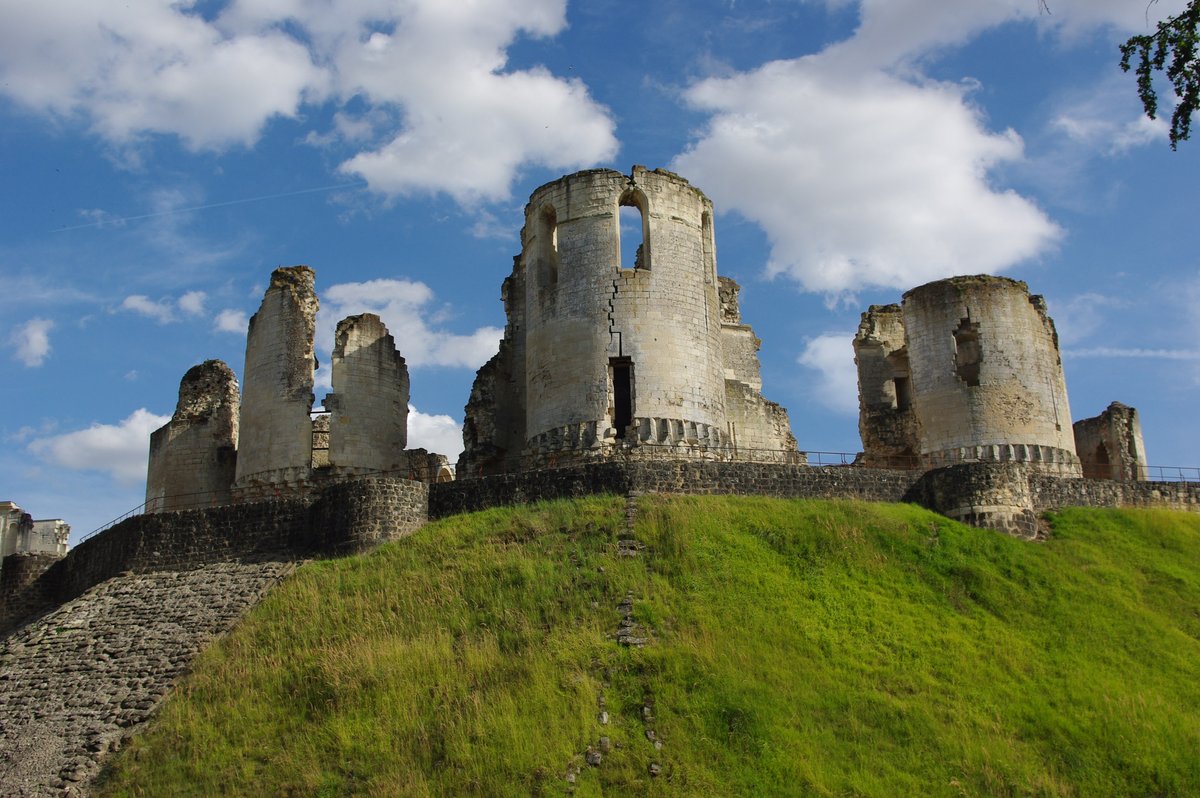
The ruins of the old castle stand on a long isolated hill dominating the Marne valley from a height of 45 meters. While the site shows no remains of fortifications in the early 9th century, a habitat of the agro-pastoral type was present. The site was held by the Herbertiens family, who were the origin of the Champagne lineage.
Between 1064 and 1124, knights named Hugues seem to have controlled the fortress, the last being a Thibaud, count of Champagne. The castle was equipped with its first stone enclosure before 1130, and the Thibaud tower was modified at the beginning of the 12th century. Important modifications occurred again between 1222 and 1236 on the north flank, where the curtain walls and towers were rebuilt for defensive functions. Between 1230 and 1253, a second campaign modified the southern enclosure and added new towers that also served a residential purpose.
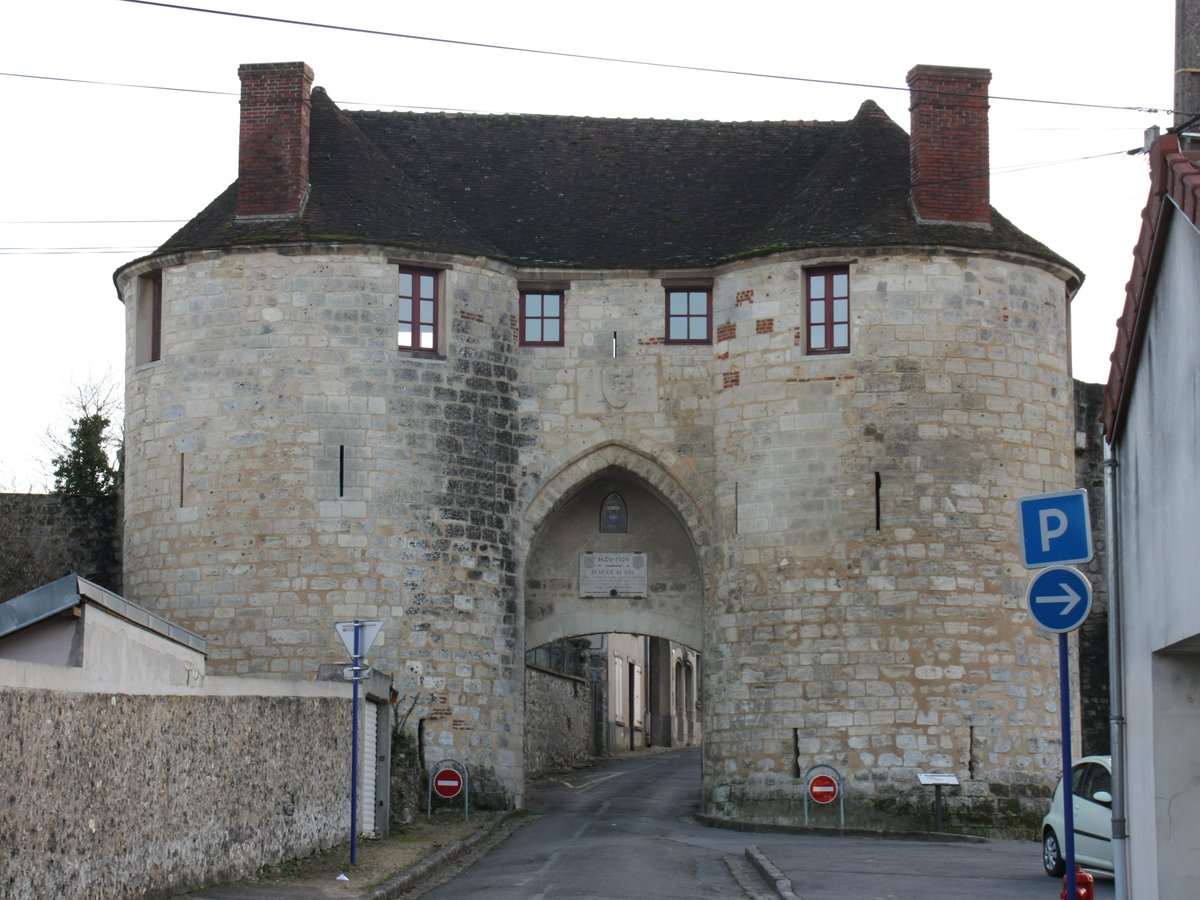
In 1285, the marriage of Jeanne de Navarre to Philippe le Bel marked the entry of the territory into the royal domain. Significant works were undertaken, notably the construction of the Porte Saint-Jean to the east of the promontory, which became the main access to the castle. At the same time, the southeast flank was equipped with an enclosure flanked by polygonal towers. The residential residence became a true palace with a culinary complex of nearly 3,000 m2.
After being given to Antoine le bâtard de Bourgogne by Louis XI in 1478, the fortress underwent its final major modifications. He created a dry ditch in the center of the esplanade and equipped the northern escape with two casemates. A pont dormant followed by a pont levis allowed for crossing the ditch, leading to a new gateway against the Thibaud tower. This tower was flattened to become an artillery platform, and a gunpowder depot was added to its south. Finally, Antoine fortified the sewage collector on the northern curtain wall.
The castle eventually took the status of national property and was sold as a stone quarry in 1793.
Sources: Wikipedia, OpenStreetMap, Wikidata, Wikimedia Commons
Written by Nicolo Ciampini
Discuss this with the author and others
No comments yet. Be the first to start the conversation.