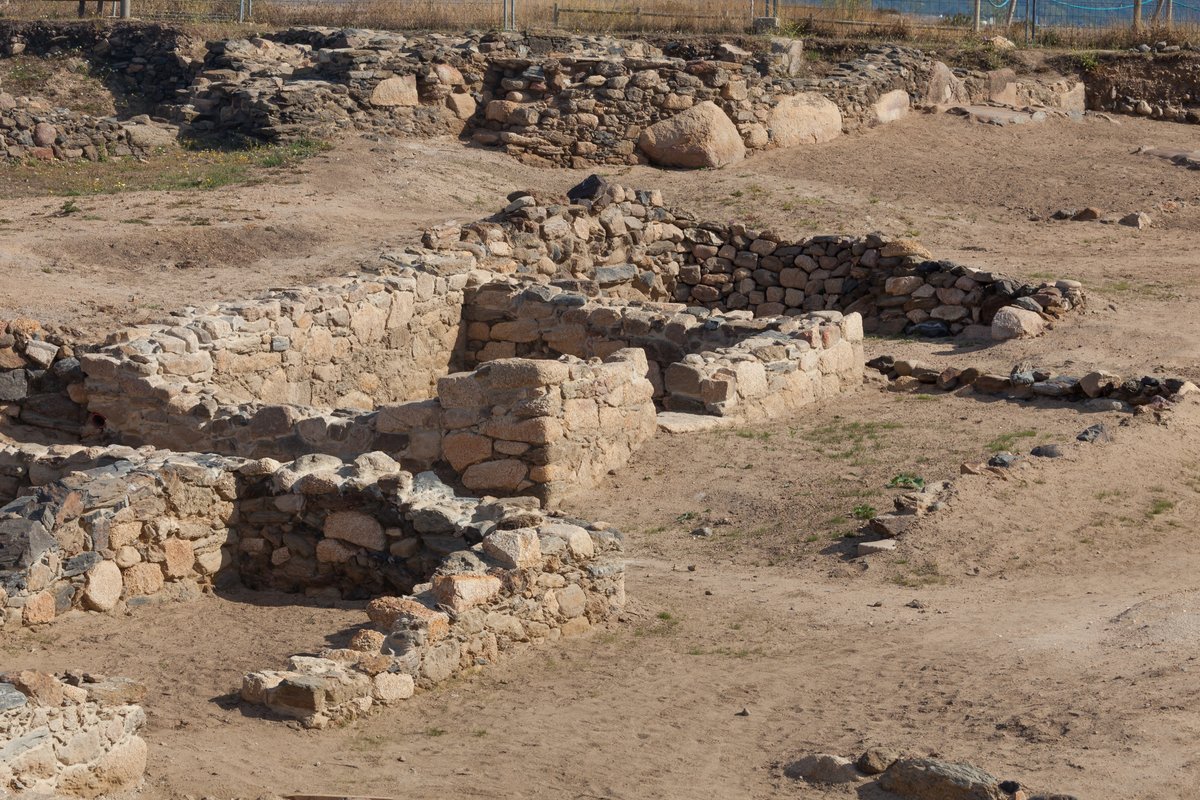

Nestled in the parish of Noalla, Sanxenxo, lies the castrexo settlement of Castro da Lanzada, dating back to the 8th century BC. Known for its necropolis, which was used from the 3rd to 4th centuries AD, this site is situated on a headland near the remains of a medieval fortress known as the torre da Lanzada.
Early excavations in the 1950s led by Filgueira Valverde uncovered a Roman house, a necropolis, and a medieval stratum. The settlement was a very active commercial enclave from 800 BC until the 6th century AD, evidenced by finds of ceramics from Egypt, Tunisia, Lebanon, Palestine, and Turkey. One archaeologist described the site as a 'Corte Inglés' of its era, operating for some 1,500 years.
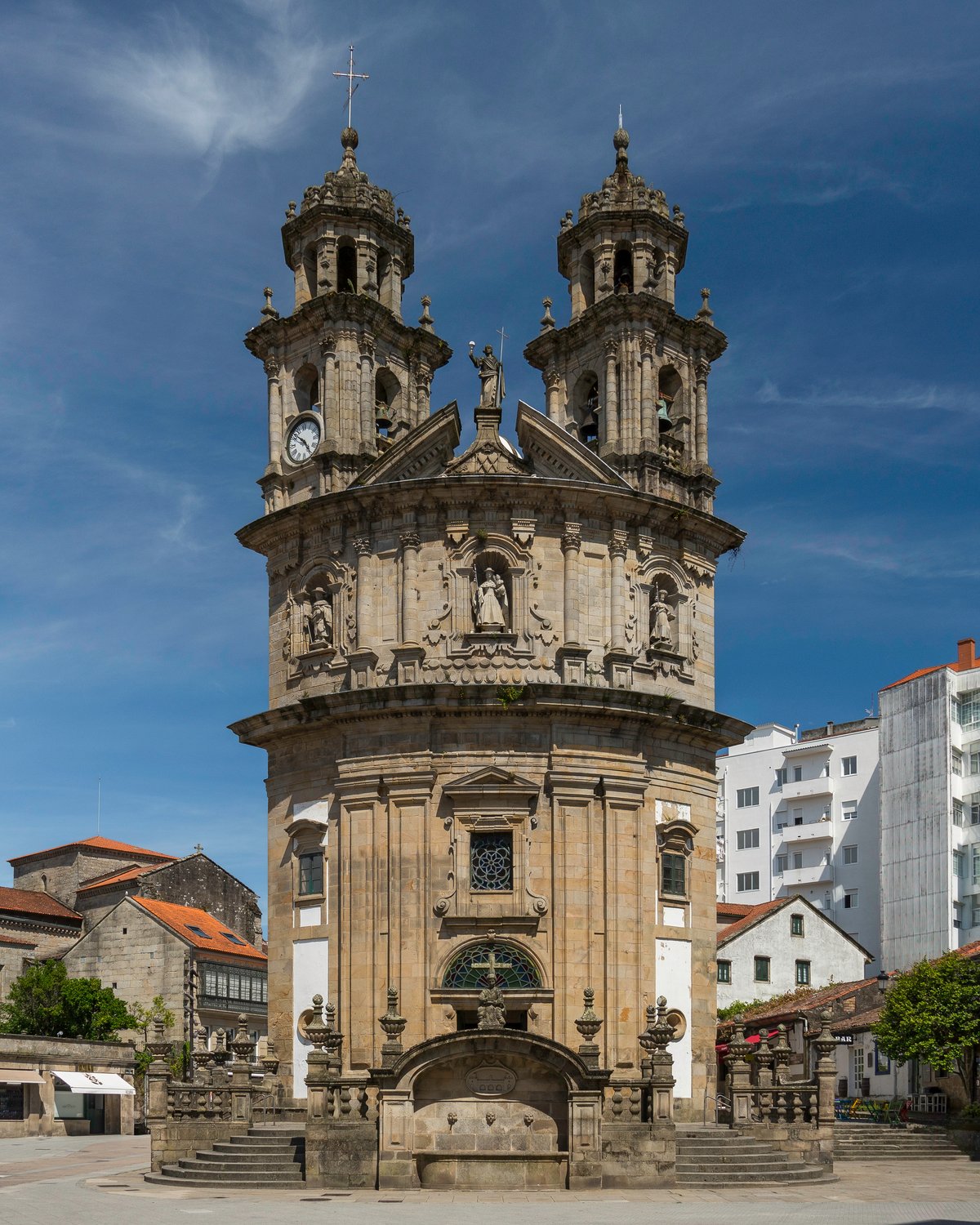
Despite some alterations due to modern construction and the building of a bridge connecting the promontory to the nearby islet, the site remains well preserved. The chapel of Nosa Señora da Lanzada is built over remains of the castro. While only a small part of the estimated 9,000 m² area has been studied, the site continues to be a significant subject of archaeological recovery.
Sources: Wikipedia, OpenStreetMap, Wikidata, Wikimedia Commons
Written by Nik Frost
Discuss this with the author and others
No comments yet. Be the first to start the conversation.