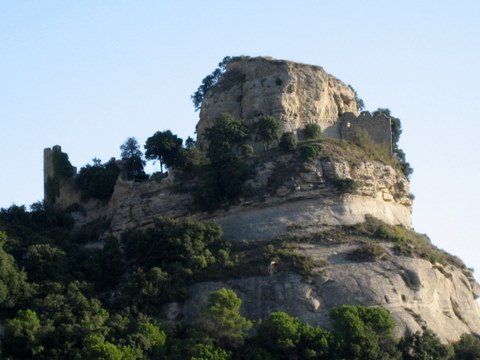

Perched 855 metres above sea level on a hill called agulla de Sant Martí, the Castell de Centelles has been a notable landmark since at least 898. Originally mentioned in a 9th-century charter of the church of Sant Martí del Congost, it initially belonged to the Counts of Osona before passing to the Centelles family. By the early 13th century, the family established their lordship over the site, which became an important seigneurial seat dominating a vast barony.
The castle saw significant military action during the Catalan Civil War (1462-1472). In 1464, a section of the sovereign fortress was blown apart by a bombard used by the supporters of King Joan II. After a long siege ended in April 1465, King Pere IV ordered repairs and expanded the fortifications to transform the site into a royal residence. During this period, the Centelles family had already begun moving to the nearby village of Santa Coloma de Vinyoles.
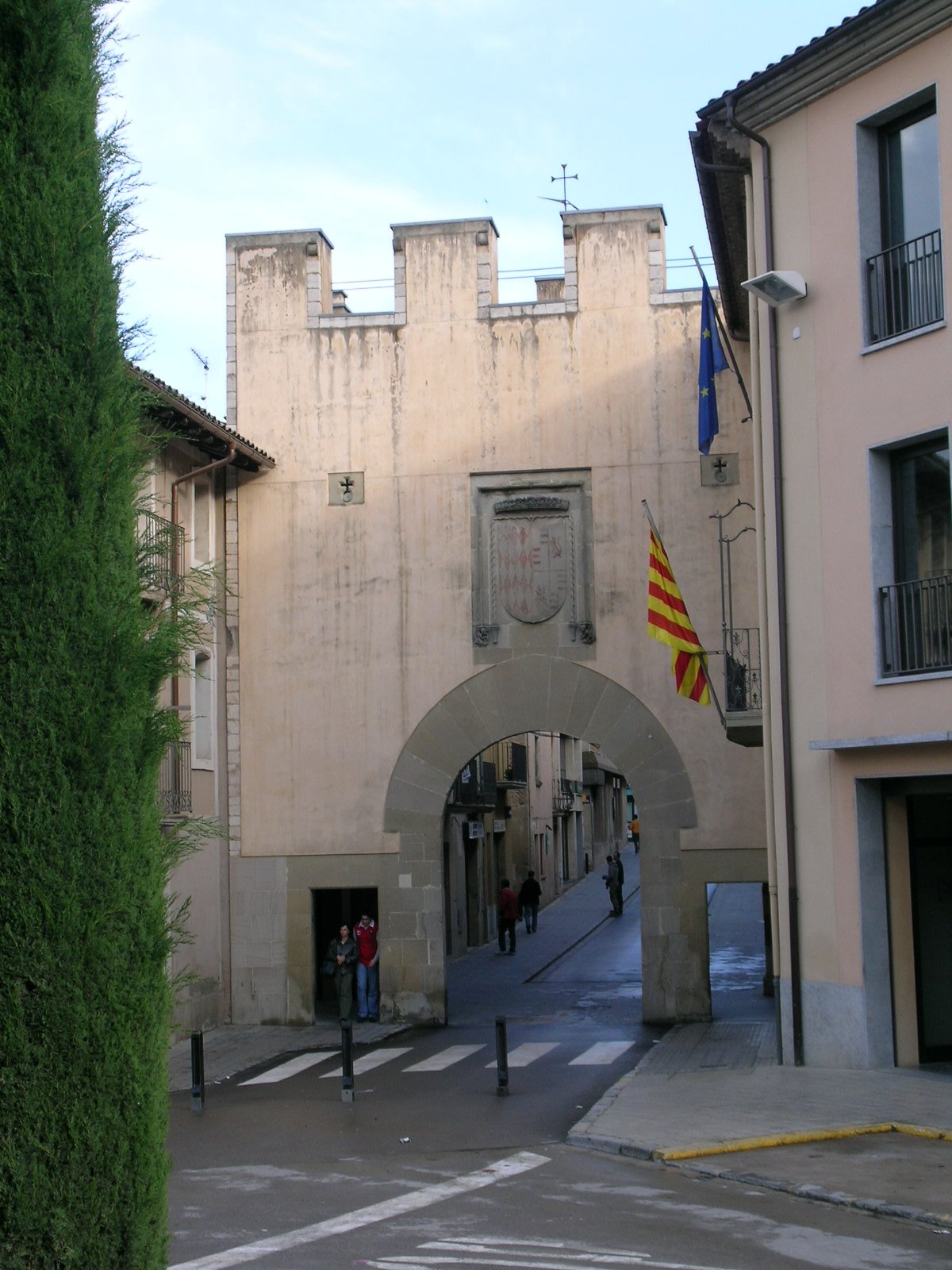
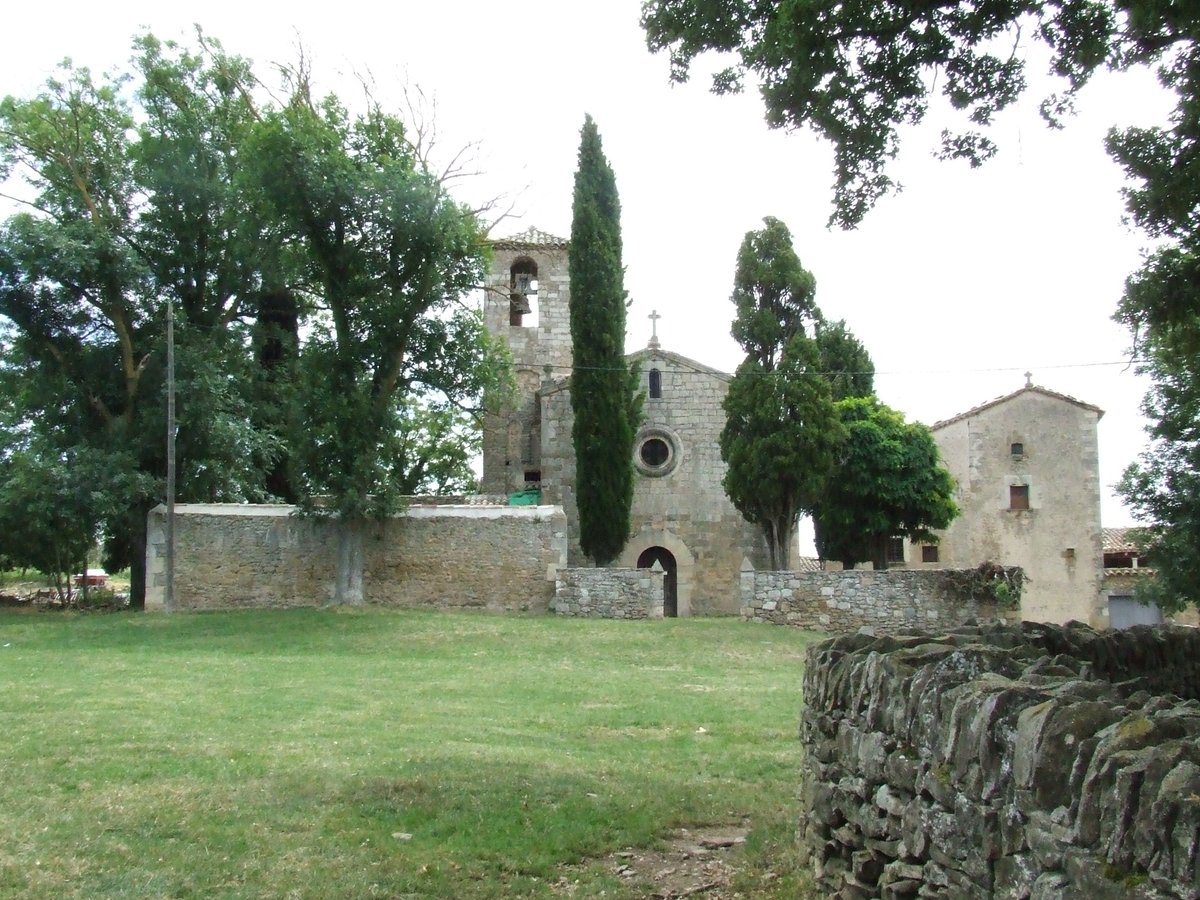
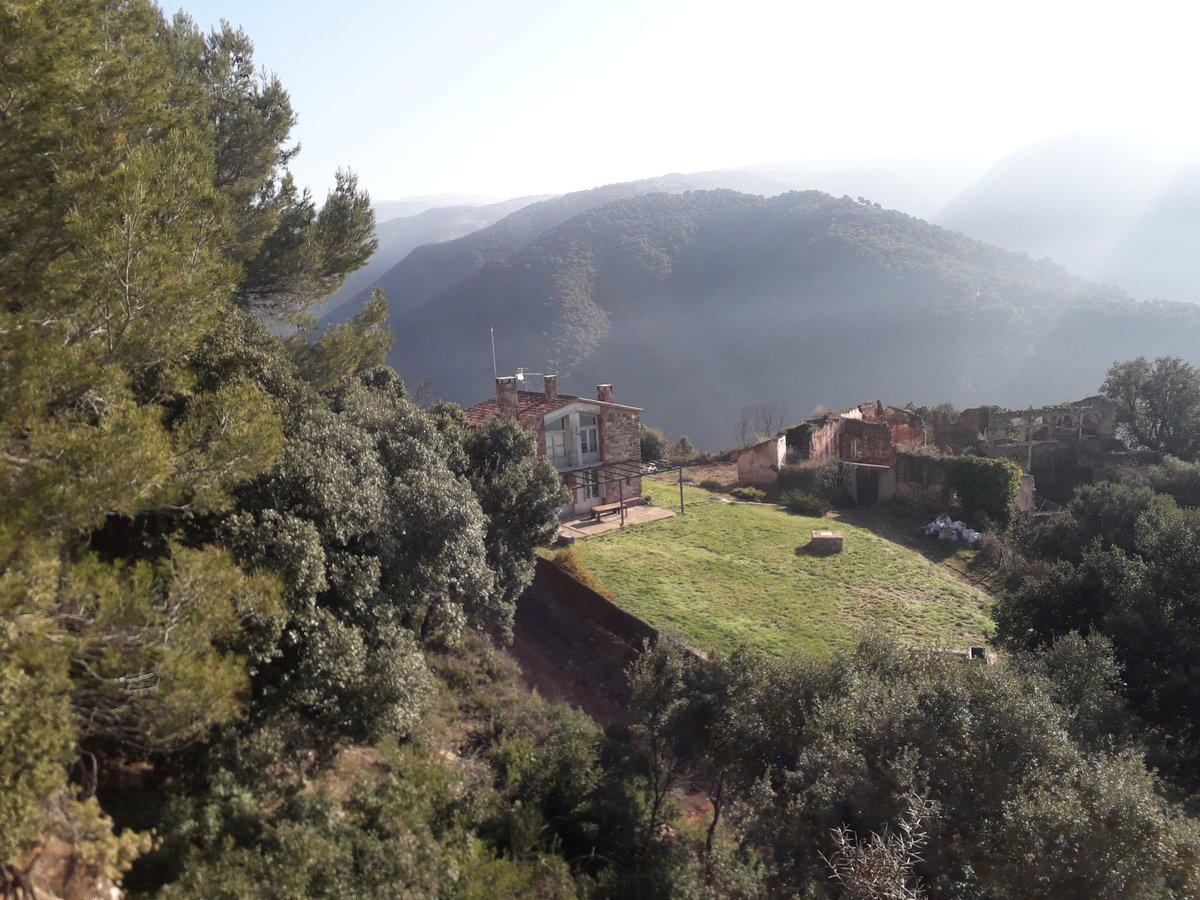
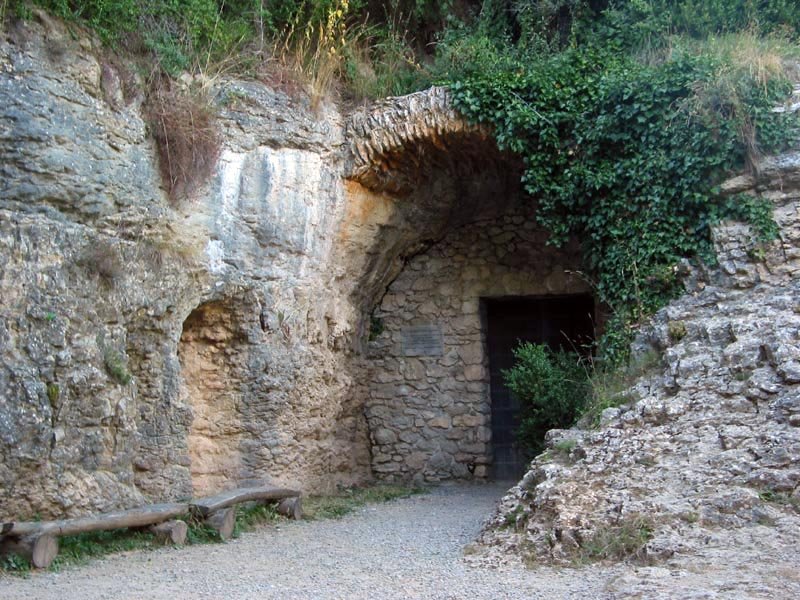
In the 19th century, the castle suffered further damage when a mining operation during the Carlist Wars caused its walls to fly apart. The family eventually moved their valuables to other properties, leaving the castle abandoned. Today, the ruin retains its triangular layout adapted to the rocky terrain, featuring the sovereign enclosure, a 12th-century chapel with a pointed vault, and an entrance gate with a round arch.
Sources: Wikipedia, OpenStreetMap, Wikidata, Wikimedia Commons
Written by Nicolo Ciampini
Discuss this with the author and others
No comments yet. Be the first to start the conversation.