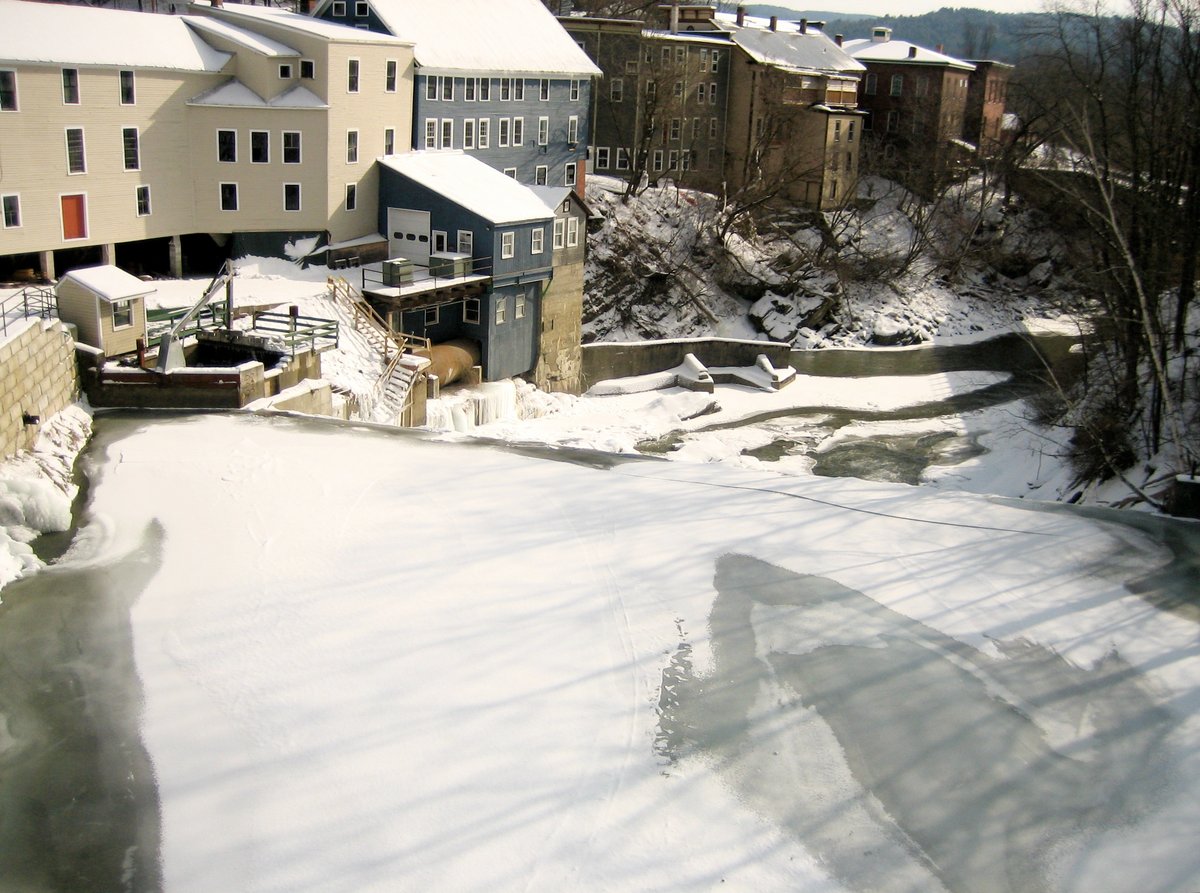
The charming small town of Bethel is located midway between White River Junction and Montpelier in the White River valley of central southern Vermont. Its main village is located near the confluence of the Third Branch White River with its main branch, and has historically been focused on the water power provided by a set of falls on the Third Branch. The community grew as a small industrial center, and was also a stop on the stage road, enhancing its importance.
The village was chartered in 1779, and a sawmill and gristmill were built at the falls soon afterward. The community soon grew as a small industrial center, and as a stop on the stage road that ran along the river (now roughly Vermont Routes 12 and 107 in this area). The arrival of the railroad in 1849 further enhanced Bethel's importance. A major fire destroyed a portion of its downtown in 1877. The disaster led to the construction of new, more fire-resistant buildings.
In the late 19th century, the village benefited from the nearby granite extraction industry, which supplied stone for some major buildings in the eastern United States. The village declined during the Great Depression, with fires again destroying portions of the downtown in 1938 and 1945. The historic district, listed on the National Register of Historic Places in 1976 and slightly enlarged in 1990, extends along Main and Church Streets (both marked VT 12) in an L-shaped configuration extending from River Street (where VT 107 bends west across the river) to Pleasant Street (where VT 12 continues north).
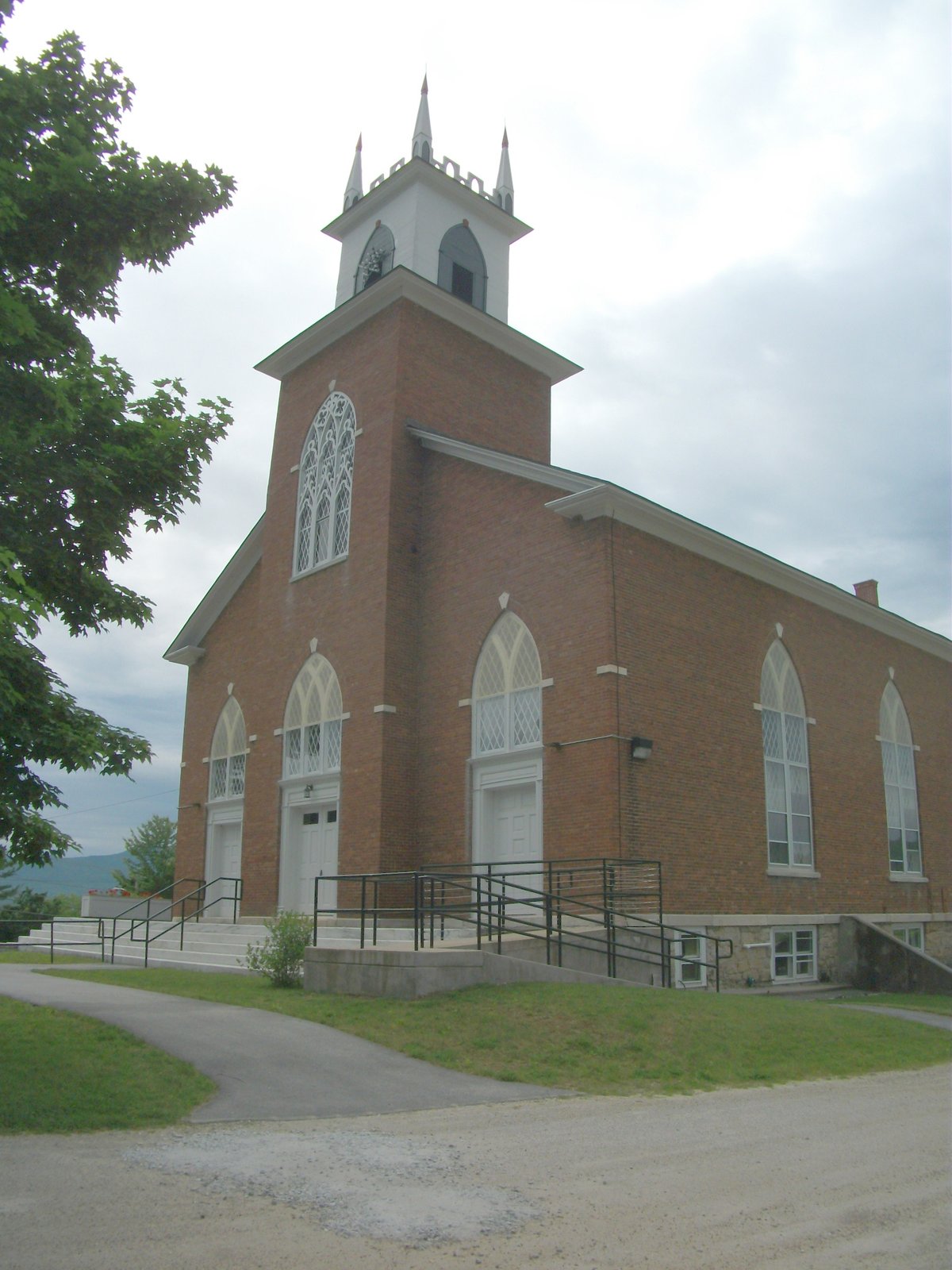
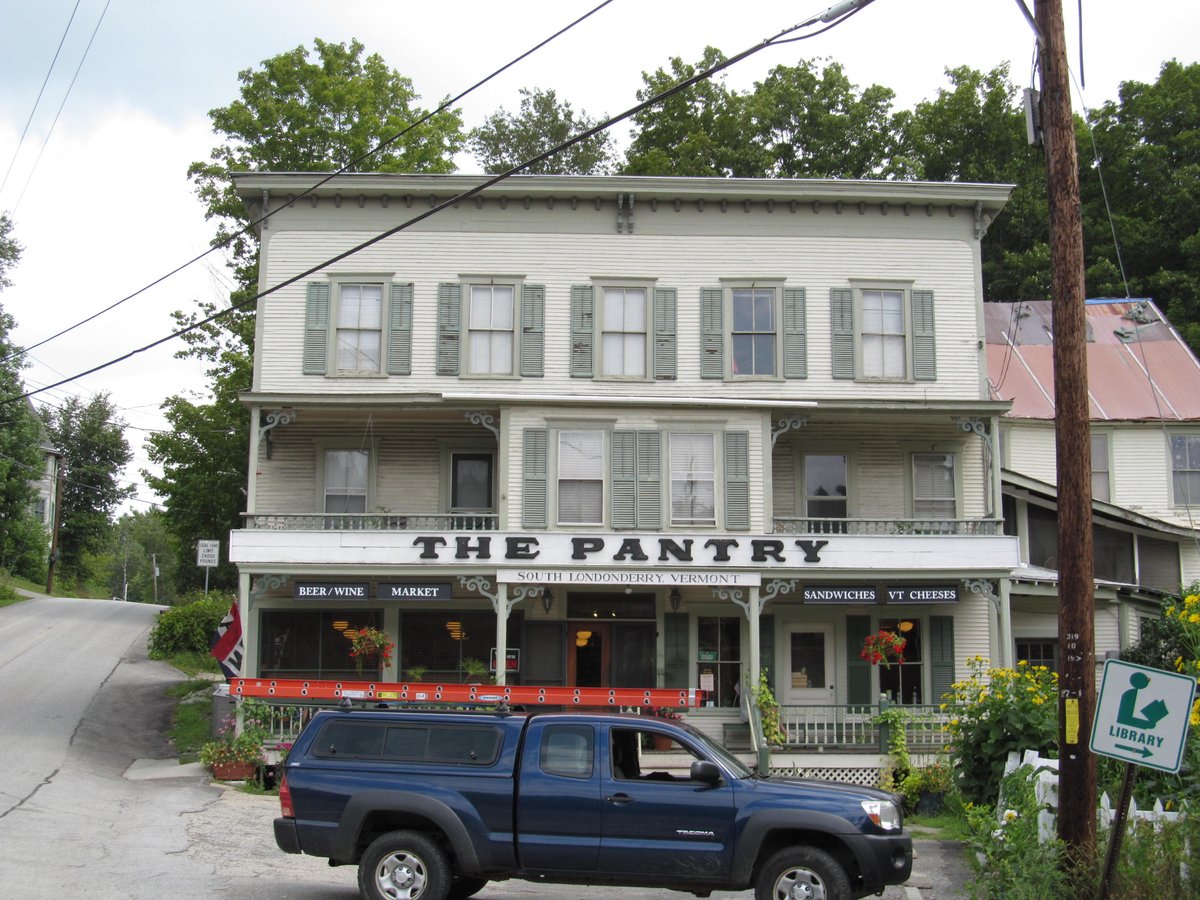
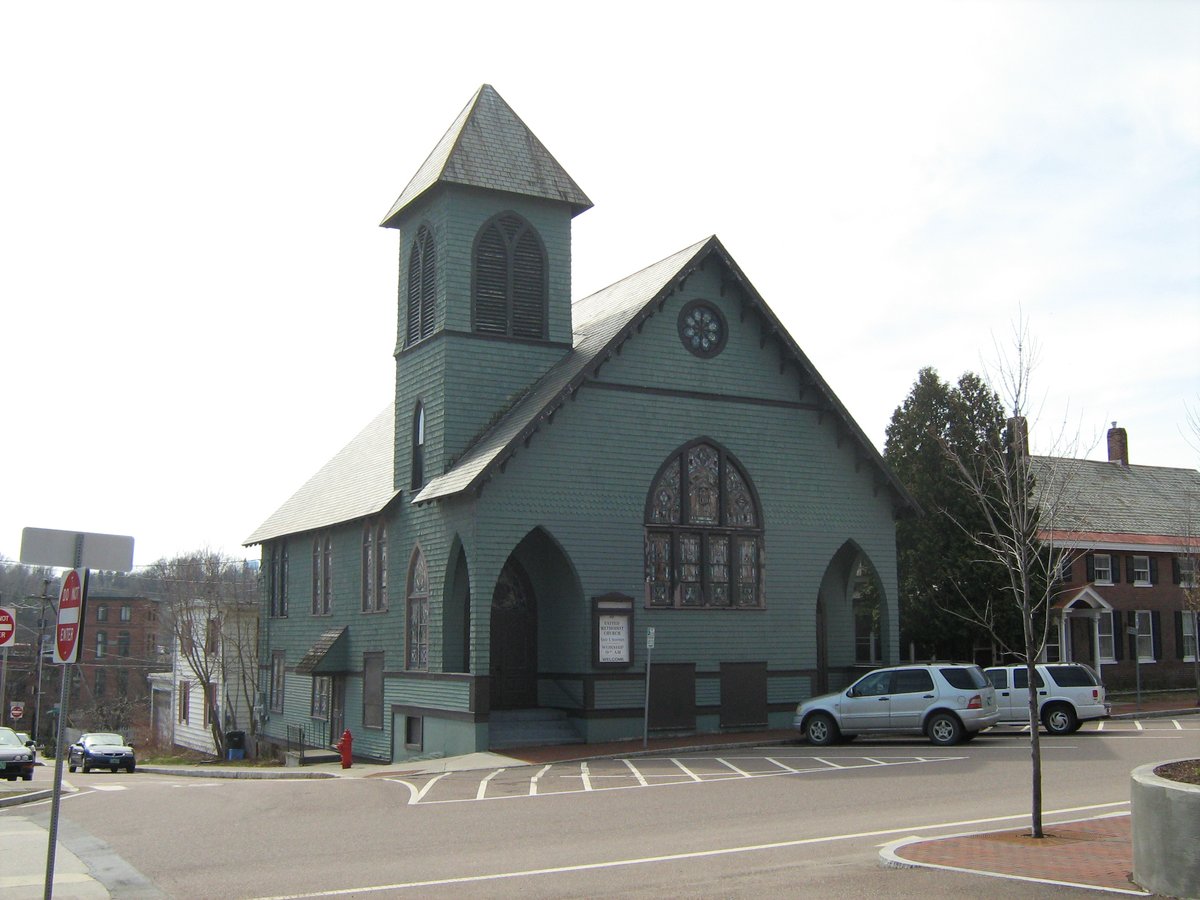
The district includes many commercial and civic buildings. A focused cluster of 19th-century two and three-story commercial buildings can be found on Main Street, with municipal buildings on the east side of Main Street. Several churches line Church Street. The district reflects styles from the early 19th century to the early 20th century.
Sources: Wikipedia, OpenStreetMap, Wikidata, Wikimedia Commons
Written by Friendly Jane
Discuss this with the author and others
No comments yet. Be the first to start the conversation.