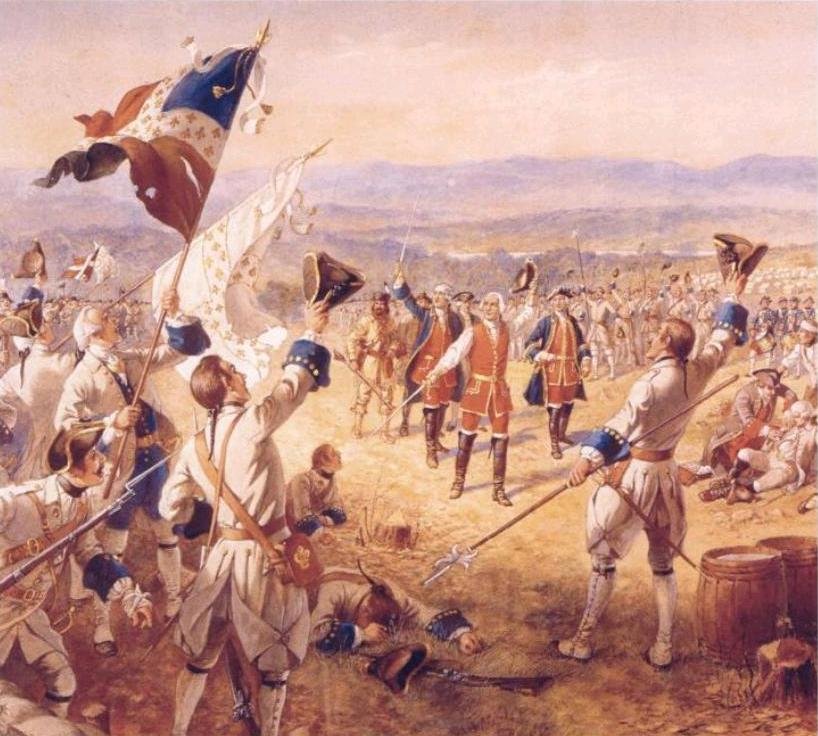

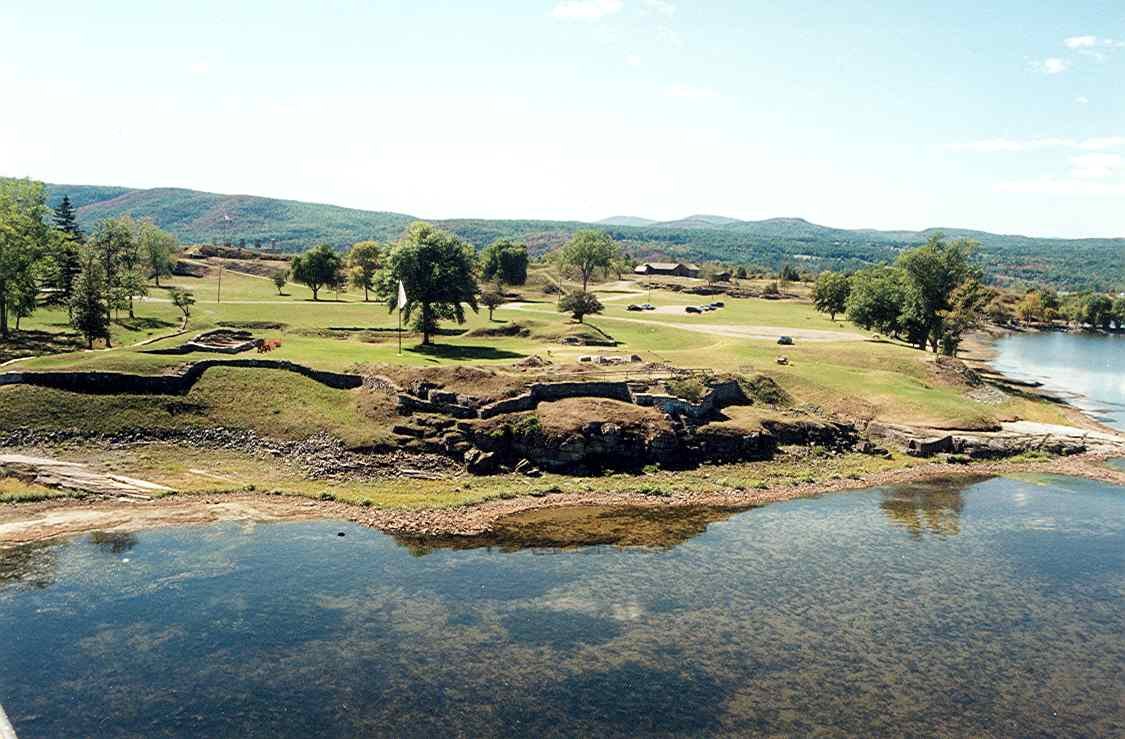
On July 8, 1758, a numerically superior force of British troops under General James Abercrombie moved toward the shore of Lake Champlain. They faced a French army of about 4,000 men under General Marquis de Montcalm and the Chevalier de Lévis. The battle took place primarily on a rise about three-quarters of a mile from Fort Carillon, a position situated between Lake Champlain and Lake George.
The British troops frontally assaulted the entrenched French position without using field artillery. This lack of artillery left the British and their allies vulnerable, allowing the French to achieve a complete victory. The engagement was the bloodiest in the American theater of the war, resulting in over 3,000 casualties for the British. In contrast, the French suffered about 400 losses.
The battle is remembered as a classic example of tactical military incompetence. The fort's location was compromised by Mount Defiance, a 900-foot hill across the La Chute River that provided an excellent firing position for French cannons. Despite the large number of British troops reported to be massing in the area, the French defense proved successful against the British frontal assault.
Sources: Wikipedia, OpenStreetMap, Wikidata, Wikimedia Commons





Written by Friendly Jane
Discuss this with the author and others
No comments yet. Be the first to start the conversation.