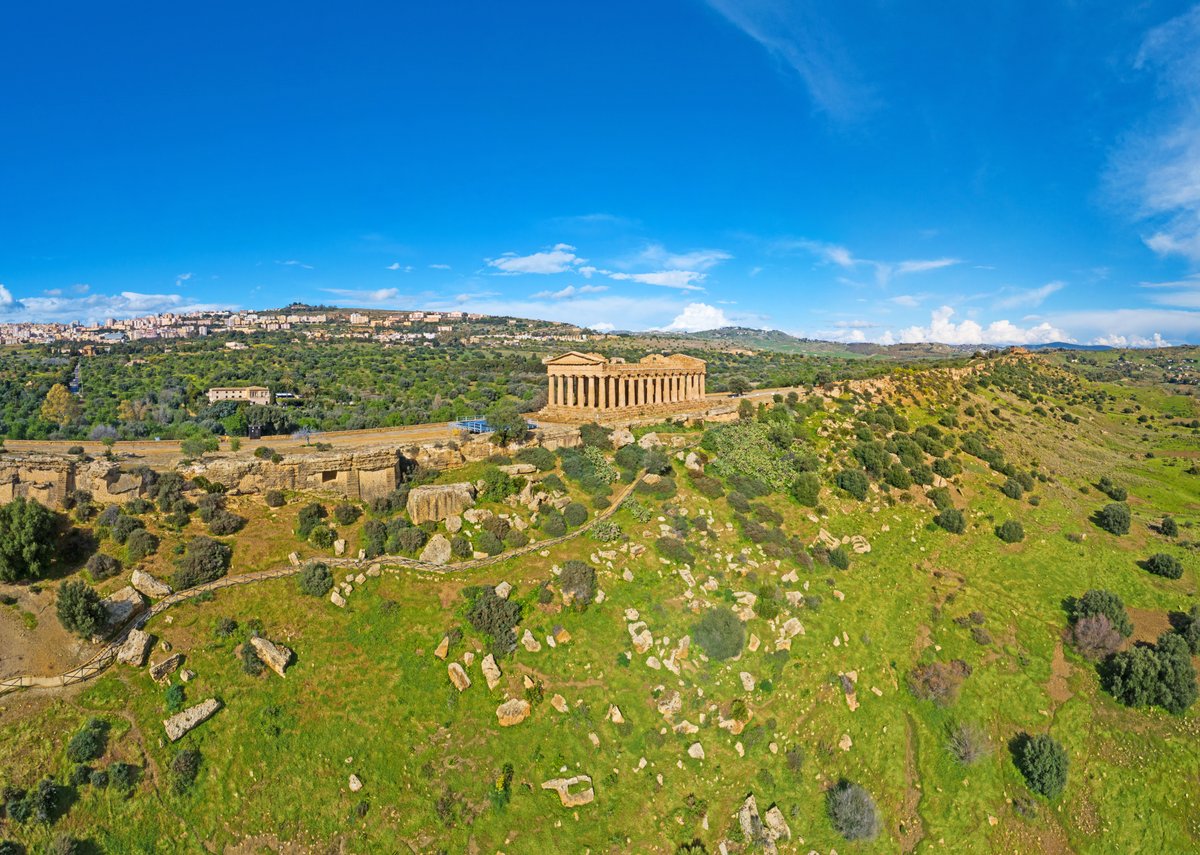

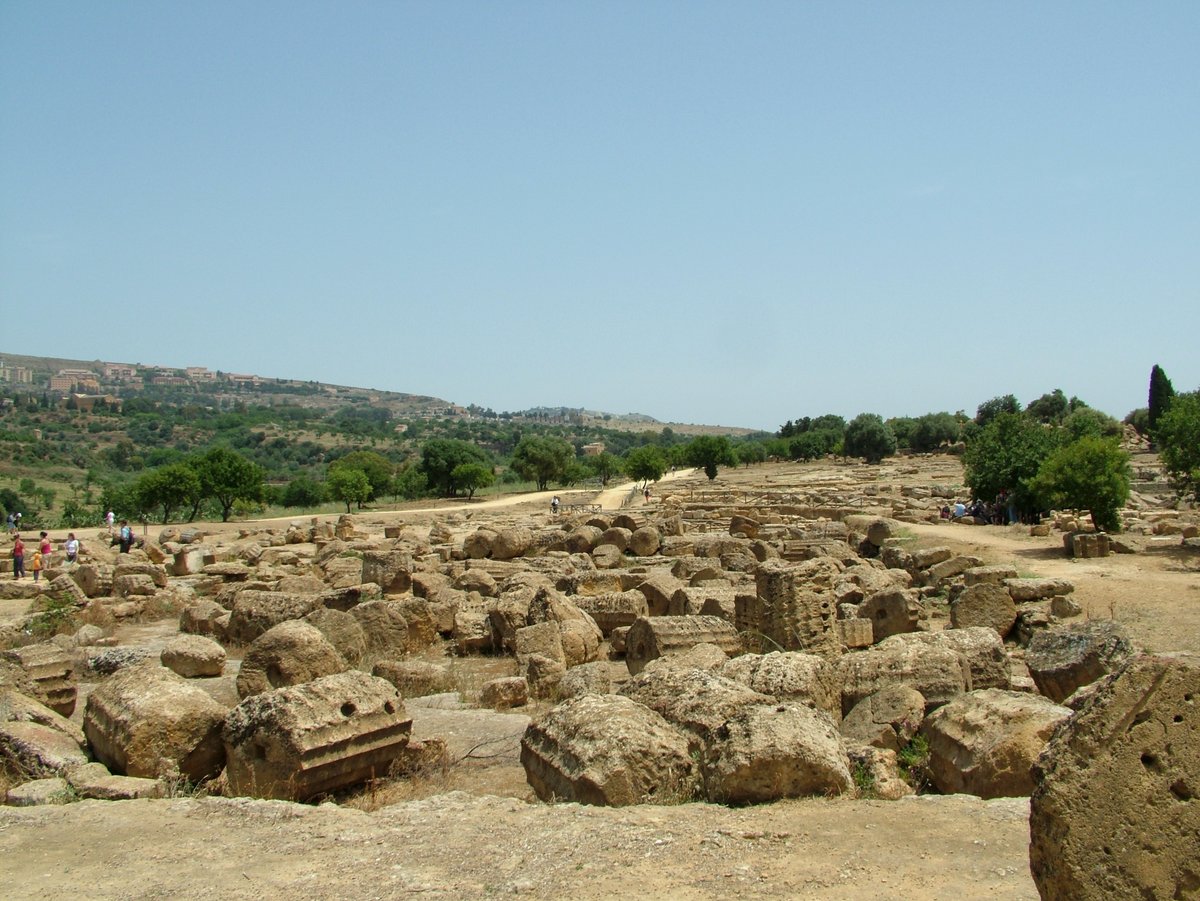
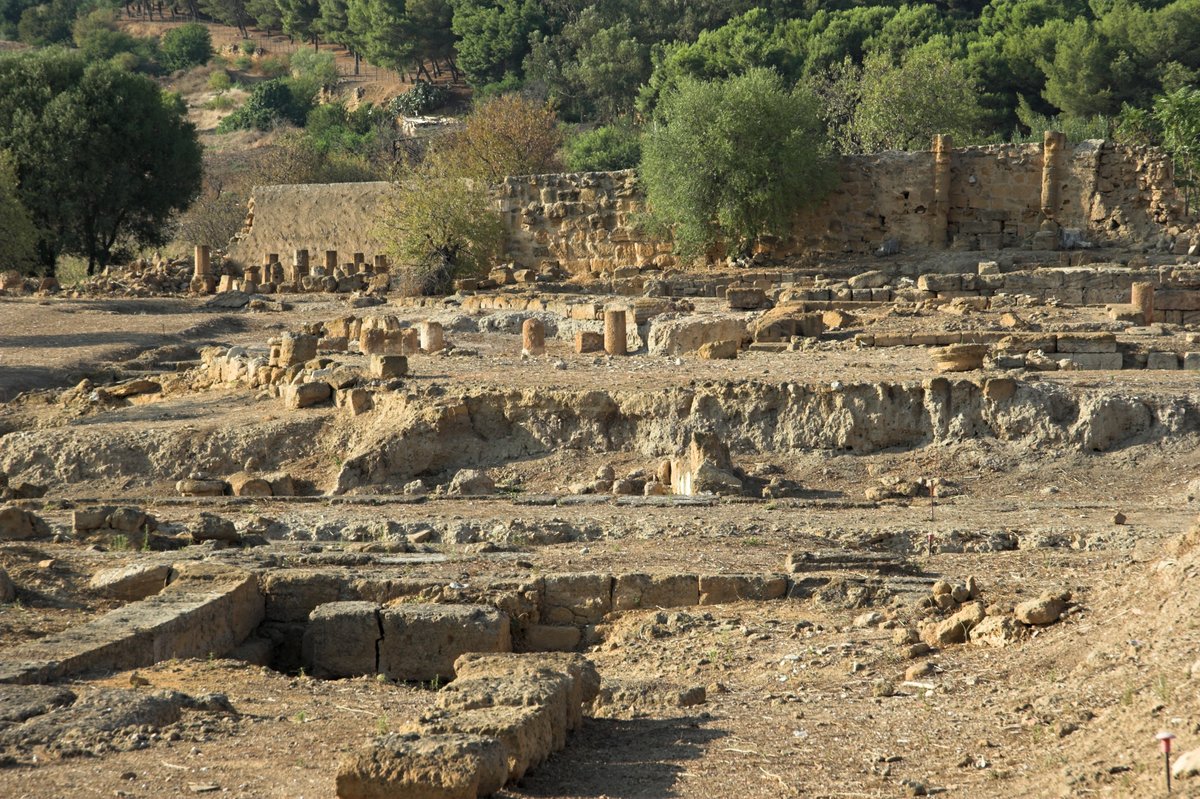
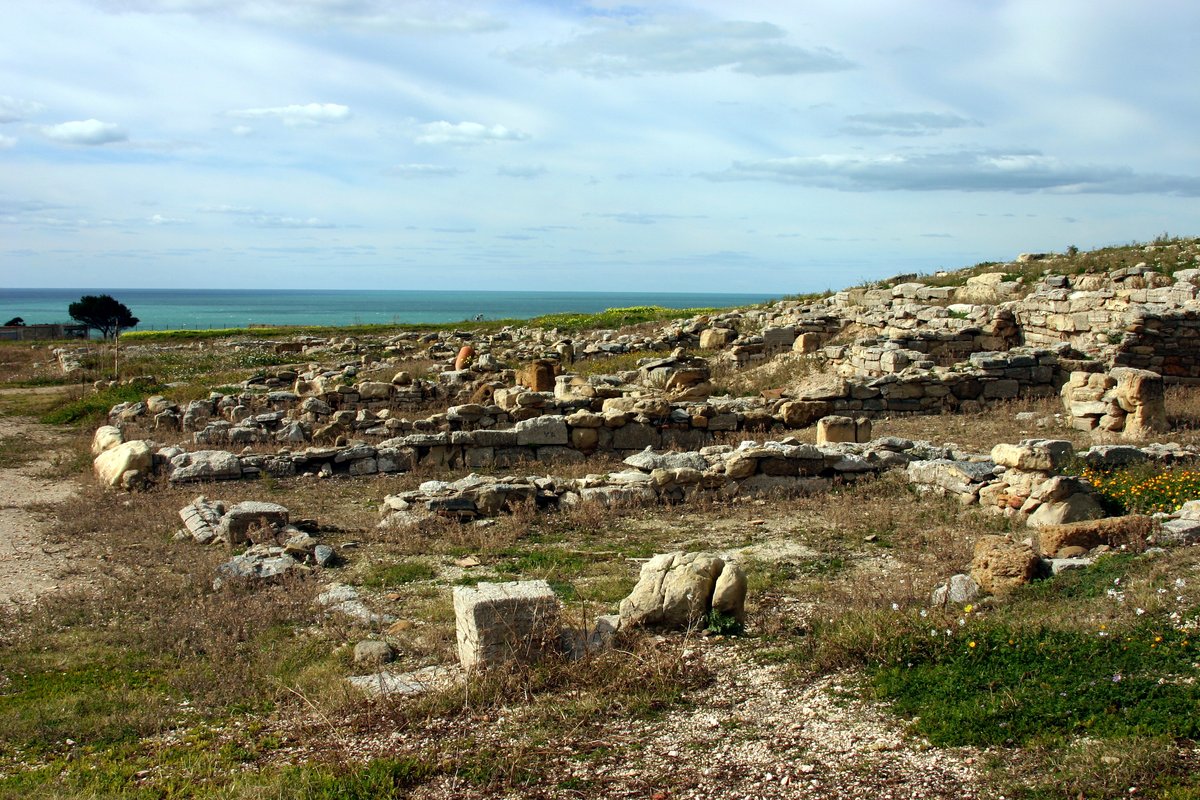
The name Valle dei Templi is a geographic misnomer. The site is actually located on a ridge outside the town of Agrigento. It is one of the most outstanding examples of ancient Greek art and architecture of Magna Graecia and has been included in the UNESCO World Heritage List since 1997. The park covers 1300 hectares, making it the largest archaeological park in Europe and the Mediterranean basin.
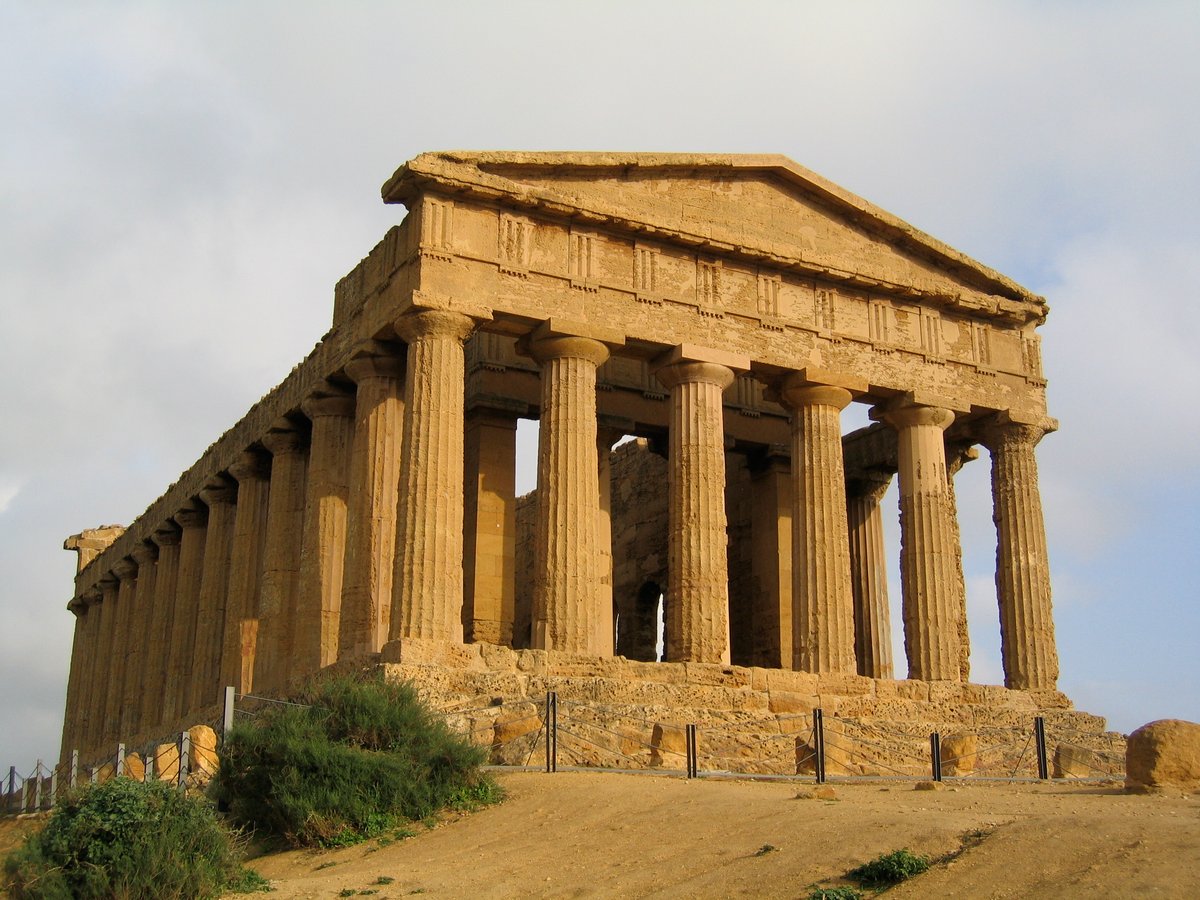
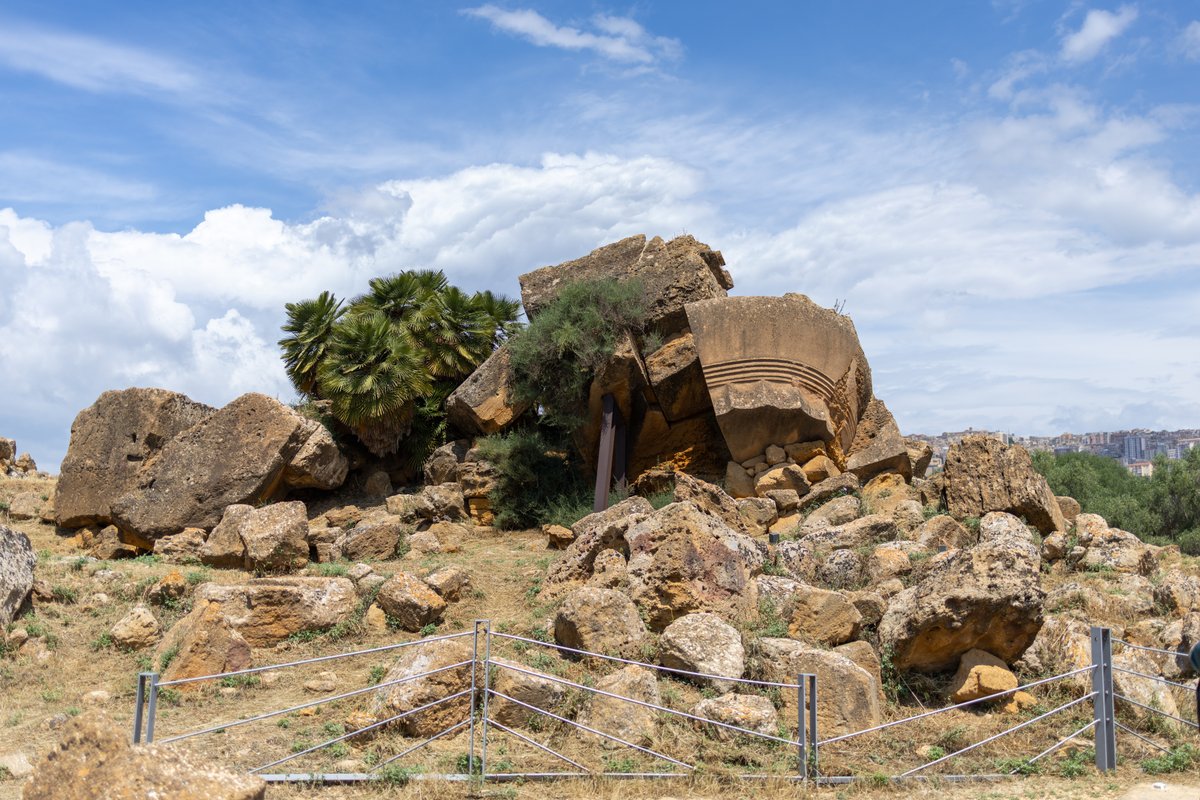
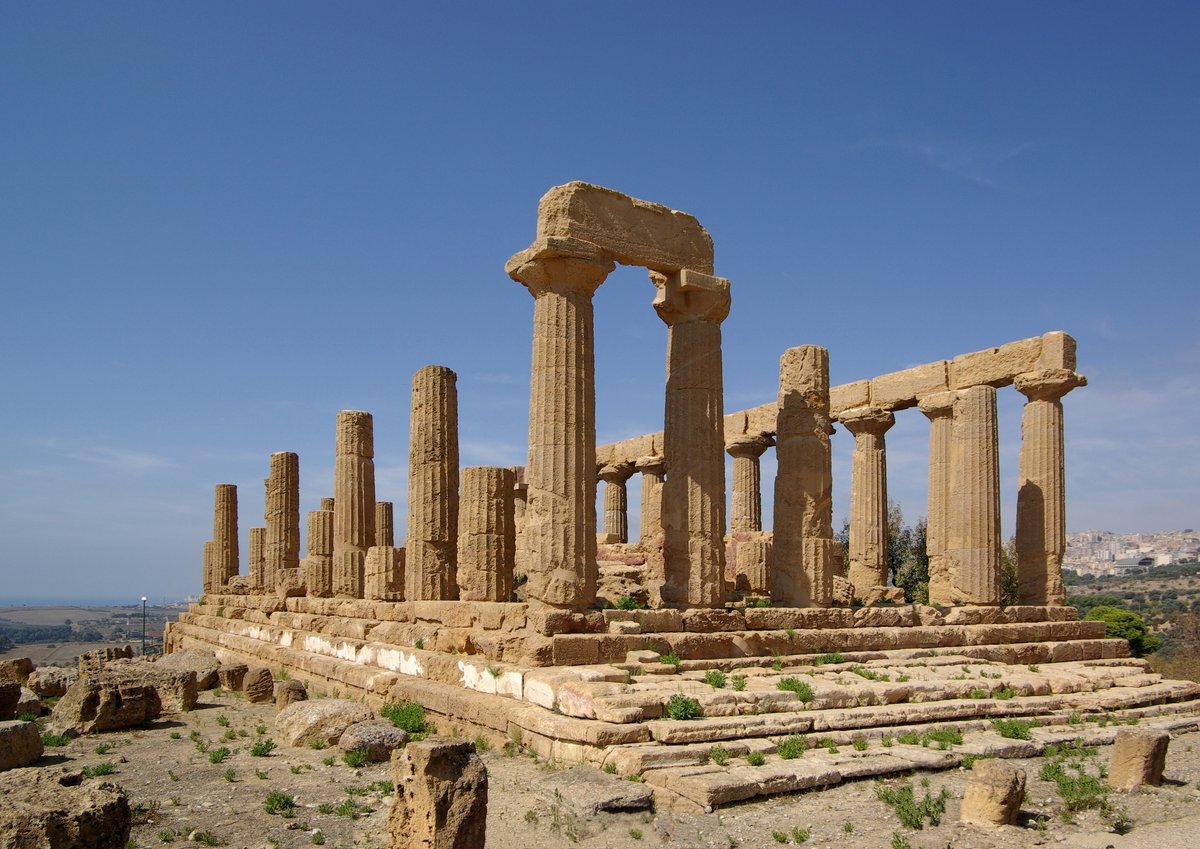
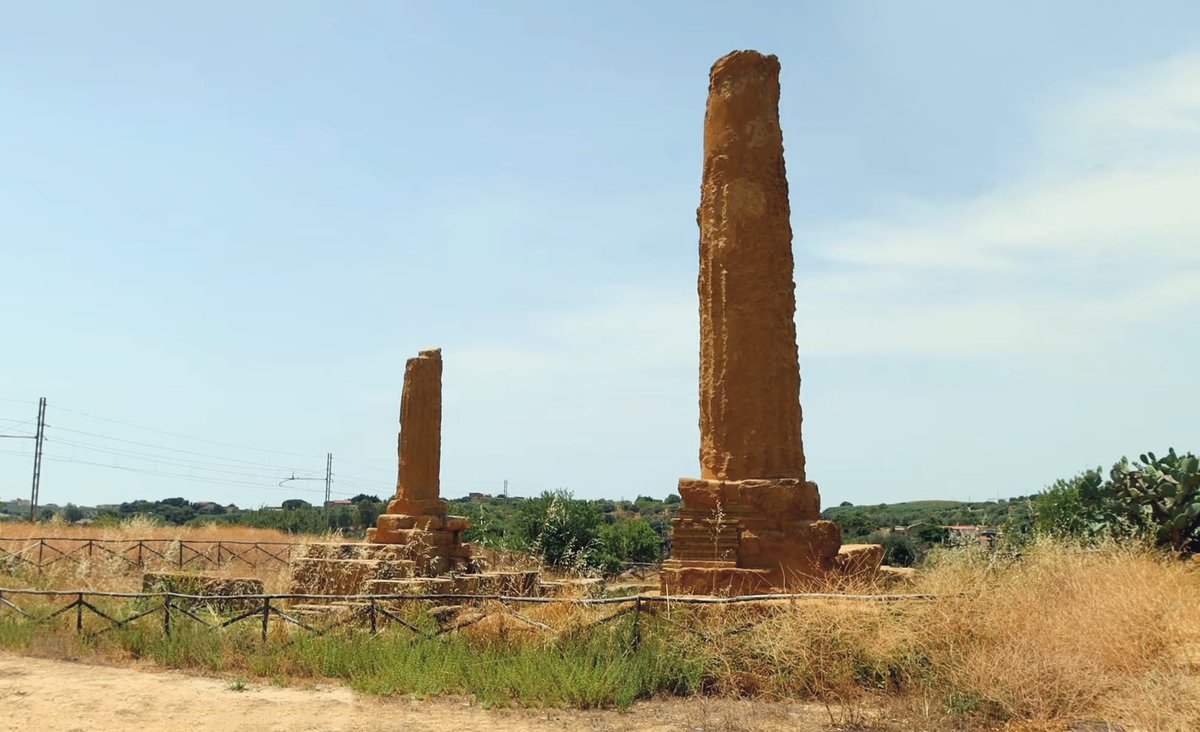
The site contains remains of seven temples, all built in the Doric style. Aside from the Olympeion, the names of the temples are a tradition established in Renaissance times. Among them is the Temple of Concordia, built in the 5th century BC, which was turned into a church in the 6th century AD. It remains one of the best preserved temples in the Valley, featuring a six-column facade and a peristasis of 6 by 13 columns. In contrast, the Temple of Hephaestus, which dates from the 5th century BC, is thought to have been one of the most imposing constructions in the valley but is now one of the most eroded.
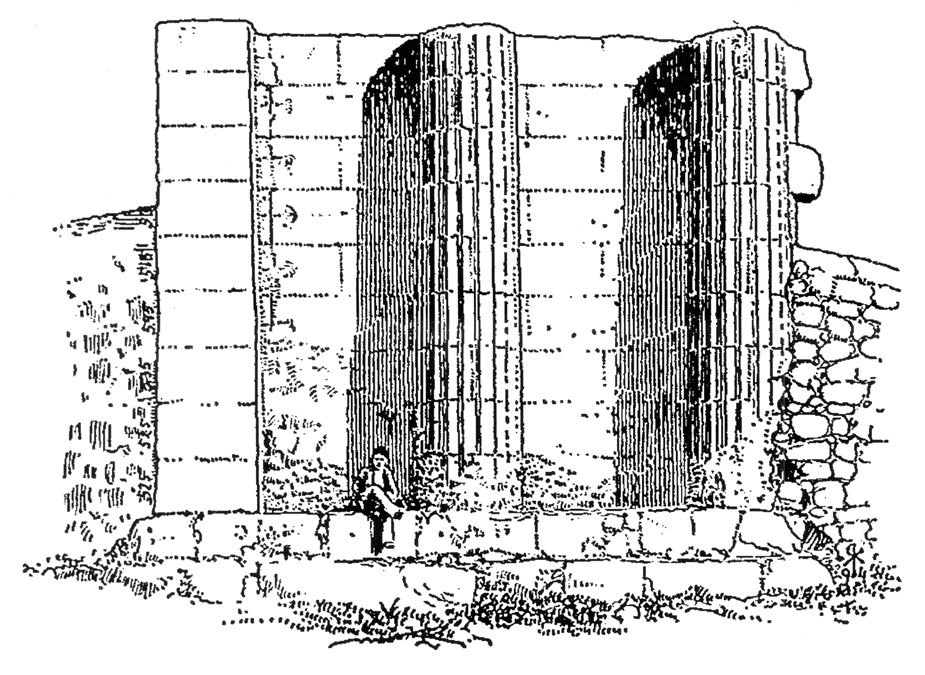
The Temple of Asclepius is located far from the ancient town's walls in the middle of the San Gregorio plain. Scholars remain dubious about its identification because the size of the building does not correspond to the distance mentioned by Polybius. The small temple, probably dating to the late 5th century BC, features a peculiar fake opisthodomos with two semi-columns on the external side of the rear cella.
Visitors can explore the remains of the ancient city of Akragas within the park, with the last entry at 19:00. The area includes the Temple of "Hera", which was burnt in 406 BC by the Carthaginians, and the "Temple of the Dioscuri", Castor and Pollux. It also houses the Tomb of Theron, a large tuff monument of pyramidal shape possibly built to commemorate Romans killed in the Second Punic War.
Sources: Wikipedia, OpenStreetMap, Wikidata, Wikimedia Commons
Written by Nicolo Ciampini
Discuss this with the author and others
No comments yet. Be the first to start the conversation.