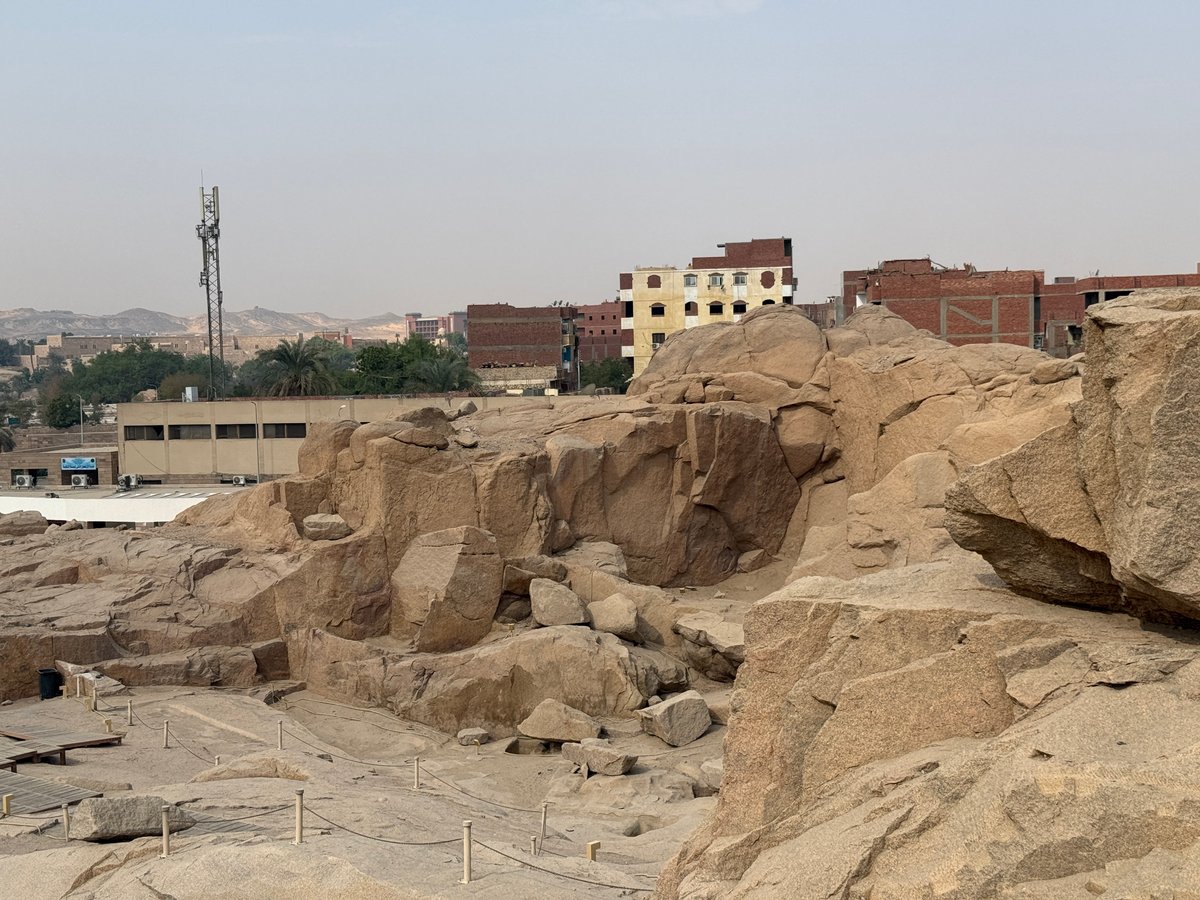

If you want to see where the real work happened for the pharaohs, you have to look past the finished pyramids and find the source. These are the ancient quarries. While the temples are the masterpieces, these sites were the industrial hubs that actually produced the raw materials - the limestone, sandstone, and quartzite - needed to build them.
Take Tura-Masara as an example. It sits about 12 km south of Cairo and stretches for 6 km along the eastern bank of the Nile. It functioned as a massive underground system providing that high-quality, fine-grained white limestone used for the casing stones of 4th to 6th dynasty pyramids. It was busy from the Old Kingdom all the way through the Late Period.
Then there is Gebel el Ahmar, which literally means Red Mountain. It was a heavy hitter during the reigns of people like Akhenaton and Tutankhamun. This site produced red and brown silicified sandstone or quartzite. Even though modern quarrying has largely destroyed the site today, it was a major production point during the Pharonic period.
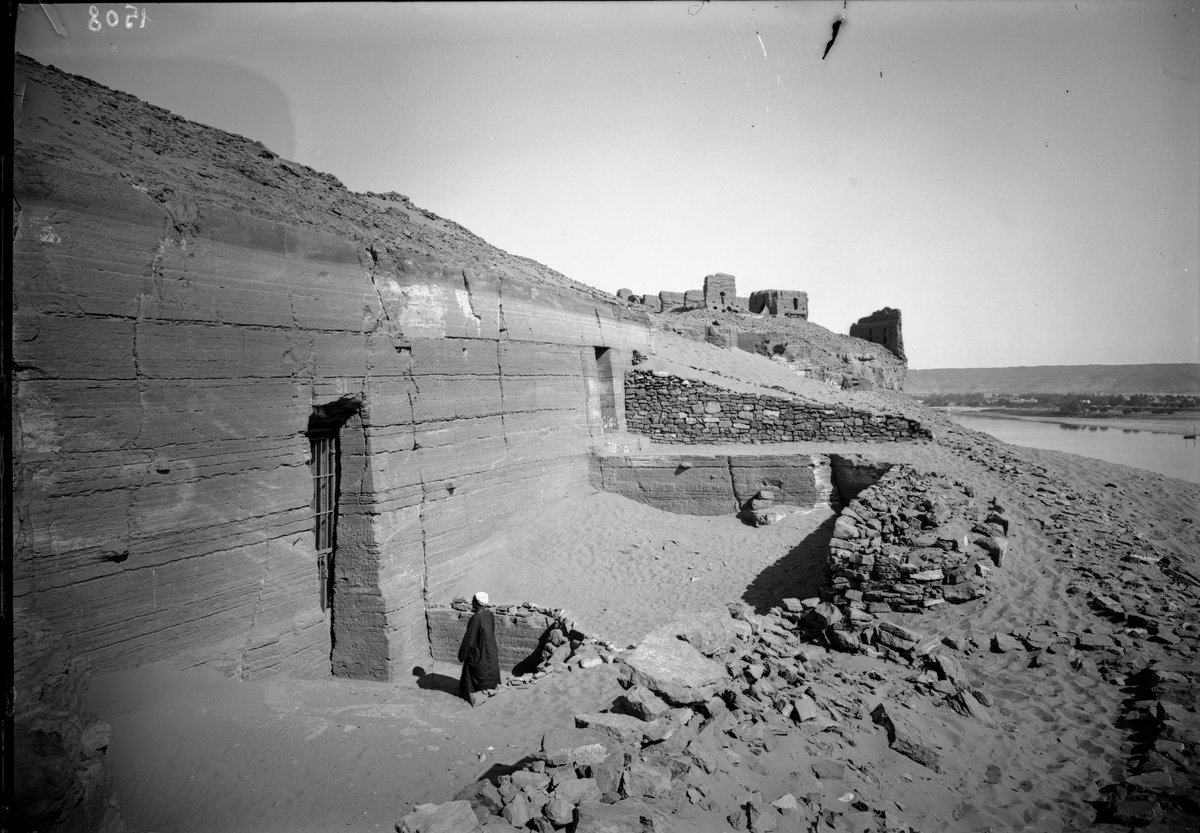
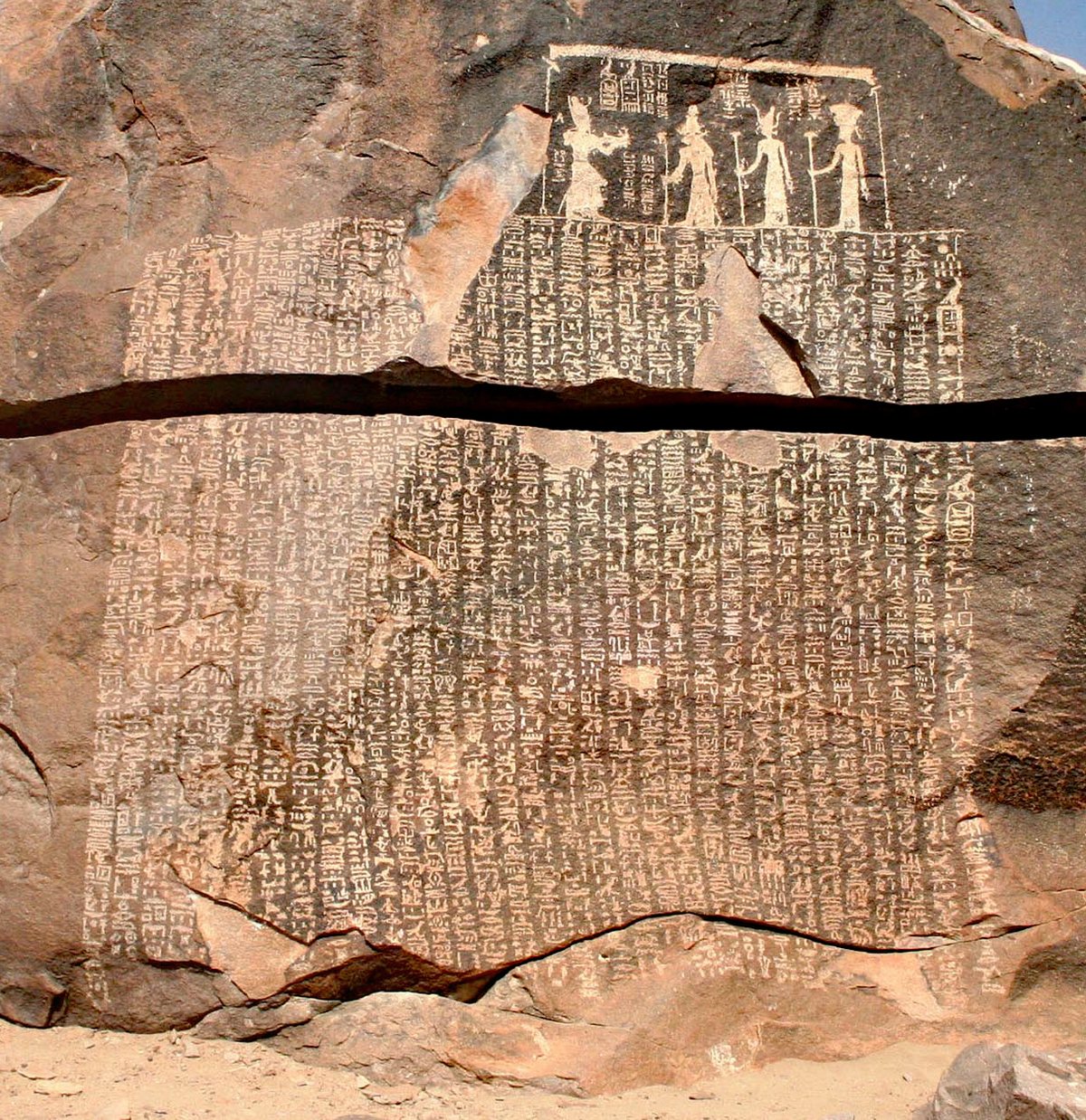
Today, these are recognized archaeological sites rather than active mines. They are preserved for their historical value, showing how the ancients moved massive blocks of stone across the landscape. Some sites, like Wadi Hammamat, remain largely intact, while others, like the quarries of Aswan, are to become open-air museums.
Sources: Wikipedia, OpenStreetMap, Wikidata, Wikimedia Commons

Written by Friendly Jane
Discuss this with the author and others
No comments yet. Be the first to start the conversation.