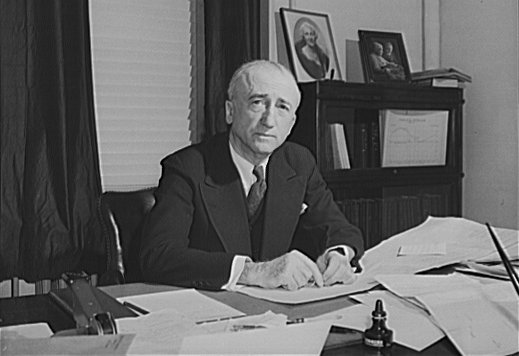

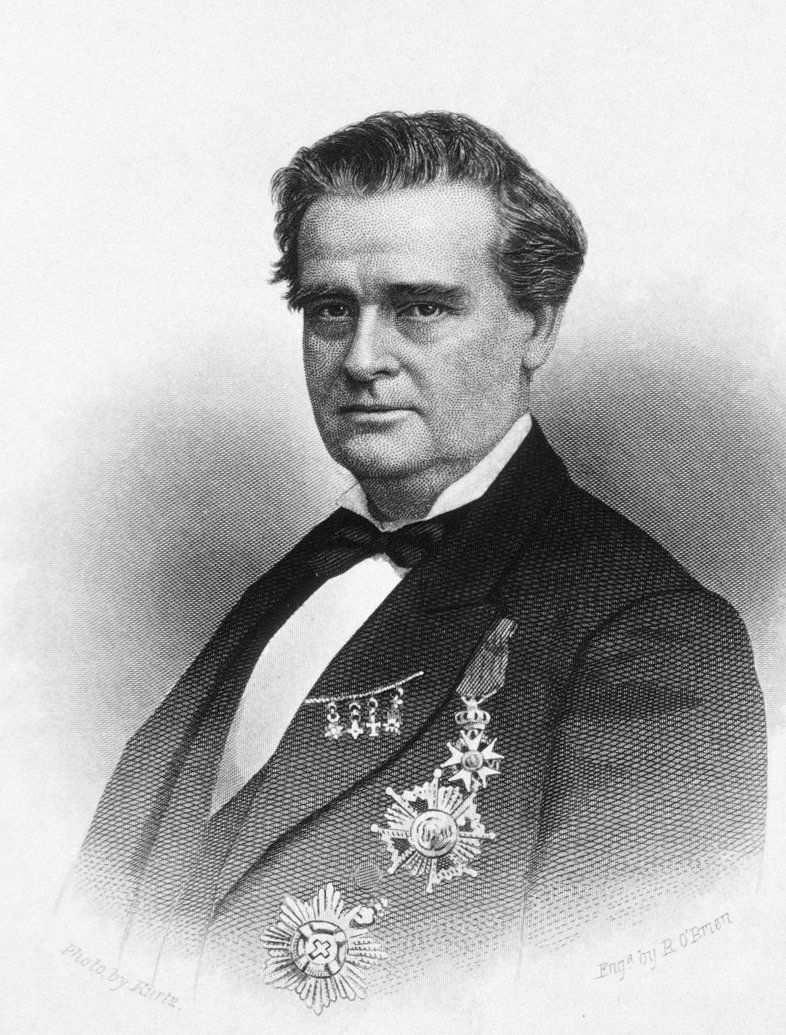
James Francis Byrnes was an American judge and politician from South Carolina who served as a member of the U.S. Congress and on the U.S. Supreme Court. He served as the 49th U.S. Secretary of State under President Harry S. Truman. During his tenure on the Supreme Court, Byrnes served for only one year and 87 days before being asked to join the executive branch after America's entry into World War II, making him the shortest-serving justice in the court's history. He also holds the distinction of being the last Supreme Court justice not to earn a law degree.
As a longtime friend of President Franklin D. Roosevelt, Byrnes championed the New Deal and sought federal investment for South Carolina water projects. He was regarded as the most influential Southern member of Congress between John Calhoun and Lyndon Johnson. He guided much of the early New Deal legislation to passage in the Senate, though he did express concerns regarding certain labor laws, such as the Fair Labor Standards Act, due to their impact on his home state's competitive advantage.
Byrnes was instrumental in the development of the Santee Cooper project, a massive dam-building effort designed to provide an inland waterway system, control flooding, and electrify South Carolina with hydroelectric power. He secured a federal loan for the project during the Great Depression, which was completed and put into operation in February 1942. The project served as a model for public-owned electric utilities worldwide. Beyond infrastructure, Byrnes also played a key role in blocking anti-lynching legislation, arguing that rape was directly and indirectly responsible for most of the lynching in America.
Sources: Wikipedia, OpenStreetMap, Wikidata, Wikimedia Commons

Written by Friendly Jane
Discuss this with the author and others
No comments yet. Be the first to start the conversation.