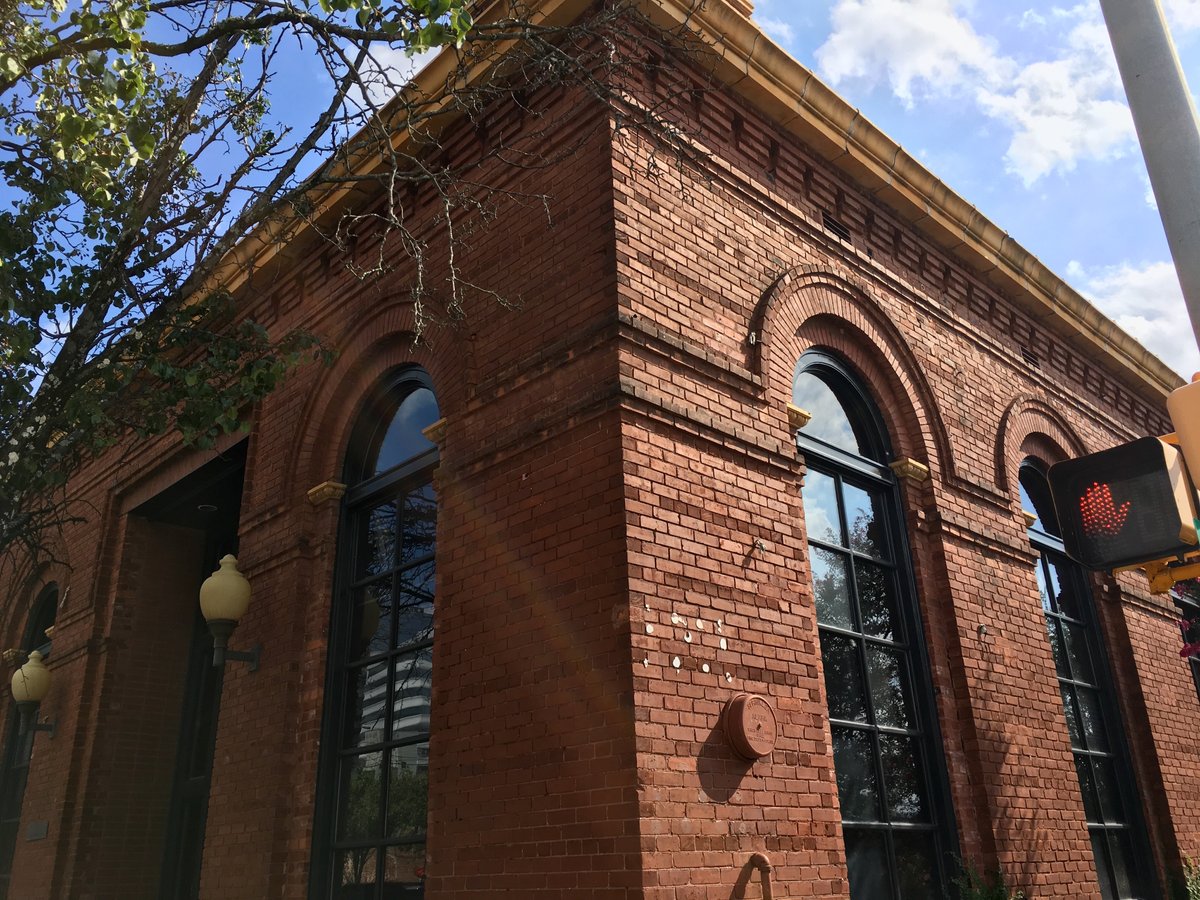
Built in 1900, this red brick building served as a power substation for the Columbia Electric Street Railway, Light & Power Company. It was designed by W. B. Smith Whaley, an architect well known for his cotton mills throughout the American southeast, in the Italian Renaissance Revival style. The structure is characterized by its monochromatic red brick, broad piers, and an arcade of rounded compound arches.
The building features a heavy, solid, and imposing massing, with a flat roof and recessed window and door openings further emphasizing its weightiness. In 1912, the building underwent a major renovation to meet the needs of the trolley system. During this time, three bays were added to the west end, a second story was added within the volume of the building, the original office space was removed, and the tile floor was replaced with reinforced concrete.
The substation played an integral part in the creation, growth, and subsequent annexation of Columbia's suburbs by powering the city's trolley system. The building served these functions until the trolley system permanently discontinued service in 1936. It was added to the National Register of Historic Places in 2011.
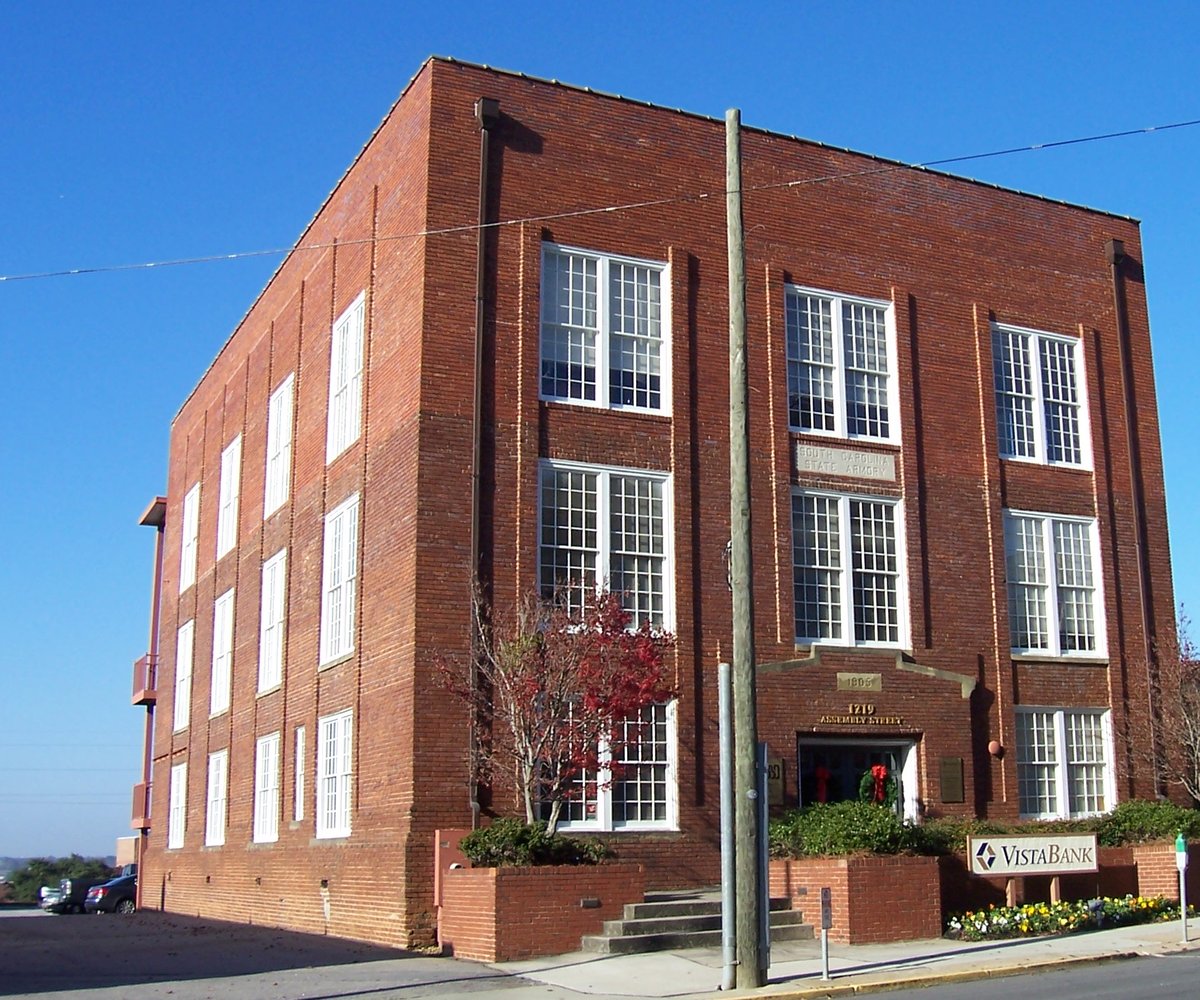
Today, it sits on Assembly Street as a landmark that illustrates the broad pattern of trolley-based public transportation and suburban expansion in early twentieth-century America.
Sources: Wikipedia, OpenStreetMap, Wikidata, Wikimedia Commons
Written by Kyle McLonely
Discuss this with the author and others
No comments yet. Be the first to start the conversation.