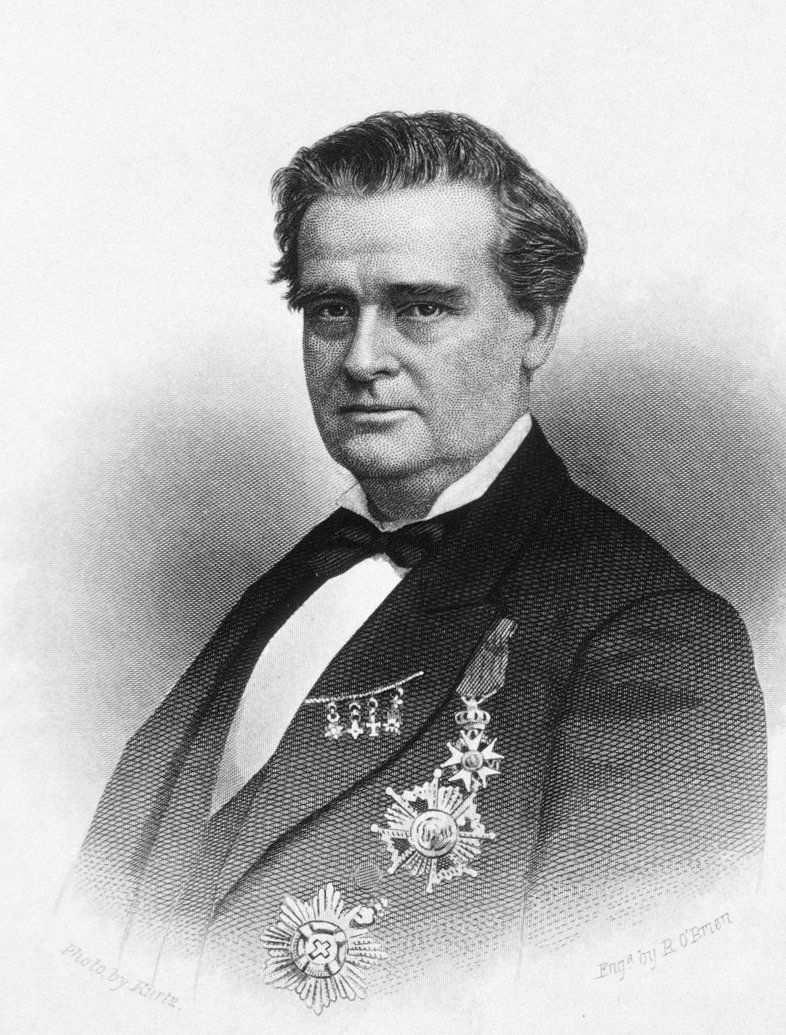

James Marion Sims developed a surgical technique for vesicovaginal fistula via non-consensual and unanesthetized surgeries on enslaved black women, including Anarcha Westcott, Lucy and Betsey, as well as impoverished Irish women. Born in Lancaster County, South Carolina, on January 25, 1813, Sims was the son of John and Mahala (Mackey) Sims. After his family moved from Lancaster Village, he attended Franklin Academy in Lancaster and spent two years at the predecessor of the University of South Carolina before graduating from Jefferson Medical College in Philadelphia in 1835.
He returned to Lancaster to practice but eventually moved to Montgomery, Alabama, where he lived until 1853. In Montgomery, Sims had the largest surgical practice of any doctor in the city up to that time and was described as immensely popular and greatly beloved. However, he is known for his controversial work on vesicovaginal fistula, a severe complication of obstructed childbirth, which he treated primarily in a hospital he built for enslaved women.
Sims developed techniques that have since formed the basis of modern vaginal surgery, including the use of silver wire prepared by a jeweler. He also developed the Sims' vaginal speculum and the rectal examination position. In 1876, Sims was elected President of the American Medical Association. He was one of the first American physicians to become famous in Europe and boasted that he was the second-wealthiest doctor in the country. A statue in his honor was erected in 1894 in New York City's Bryant Park and stood until it was removed in 2018.
Sources: Wikipedia, OpenStreetMap, Wikidata, Wikimedia Commons
Written by Friendly Jane
Discuss this with the author and others
No comments yet. Be the first to start the conversation.