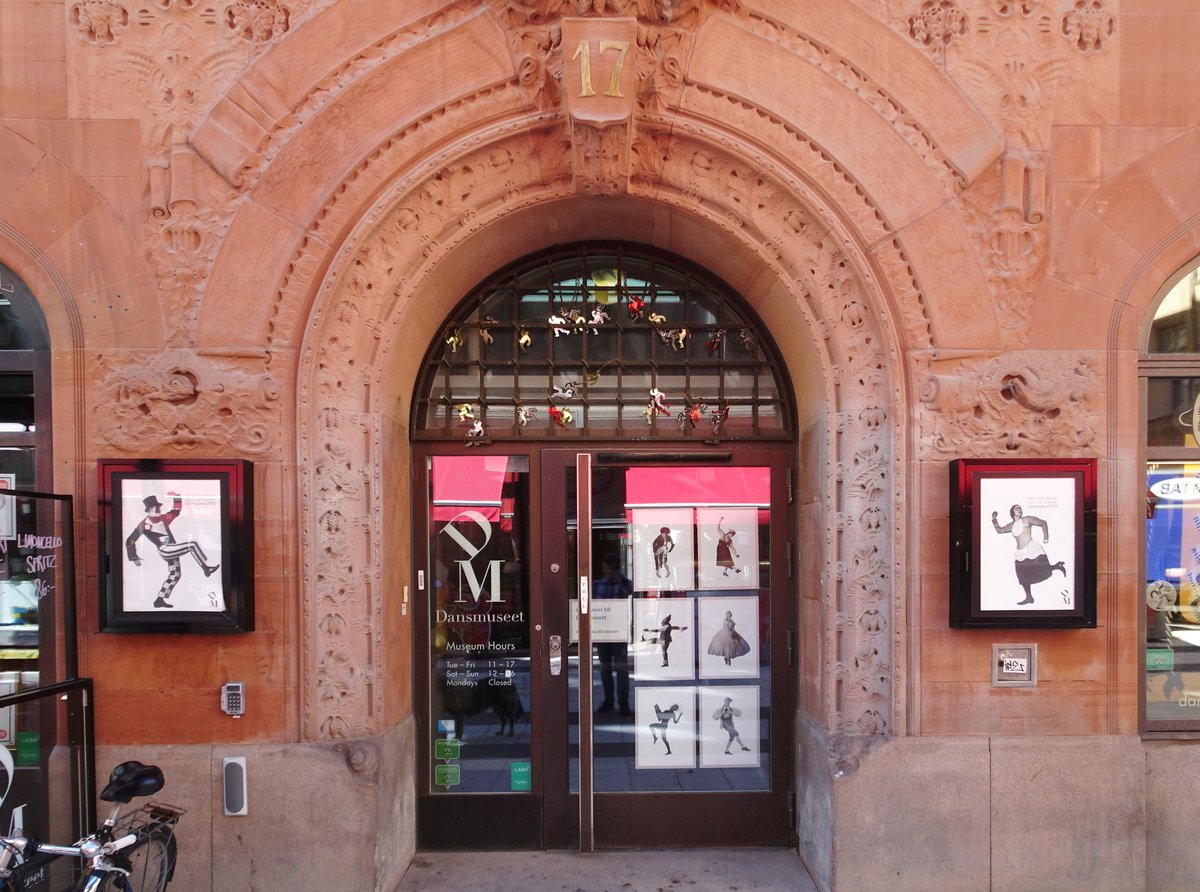

In 1953, the archives that now define the Dance Museum first took root in the basement of the Royal Swedish Opera. This private assembly of treasures belonged to Rolf de Maré, the visionary who guided the Ballets suédois through the artistic ferment of Paris during the 1920s.
We invite you to look beyond the contemporary performing arts to the experimental movements that built this foundation. The collection expanded greatly in 1969 with the creation of the Carina Ari library. This privately endowed sanctuary functions as a cornerstone for research, preserving the most extensive dance literature in all of Northern Europe.
The scope of inquiry here reaches back centuries. Scholars can delve into Western Europe records from 1500, examine journals from the turn of the 20th century, or study thousands of films. There is a profound depth of Russian dance literature available for those who seek to understand its nuances.
You are welcome to visit Drottninggatan 17 to engage with these archives. The museum serves as a steady anchor for anyone eager to investigate the complex threads connecting theatre, photography, and art.
Sources: Wikipedia, OpenStreetMap, Wikidata, Wikimedia Commons

Written by Nik Frost
Discuss this with the author and others
No comments yet. Be the first to start the conversation.