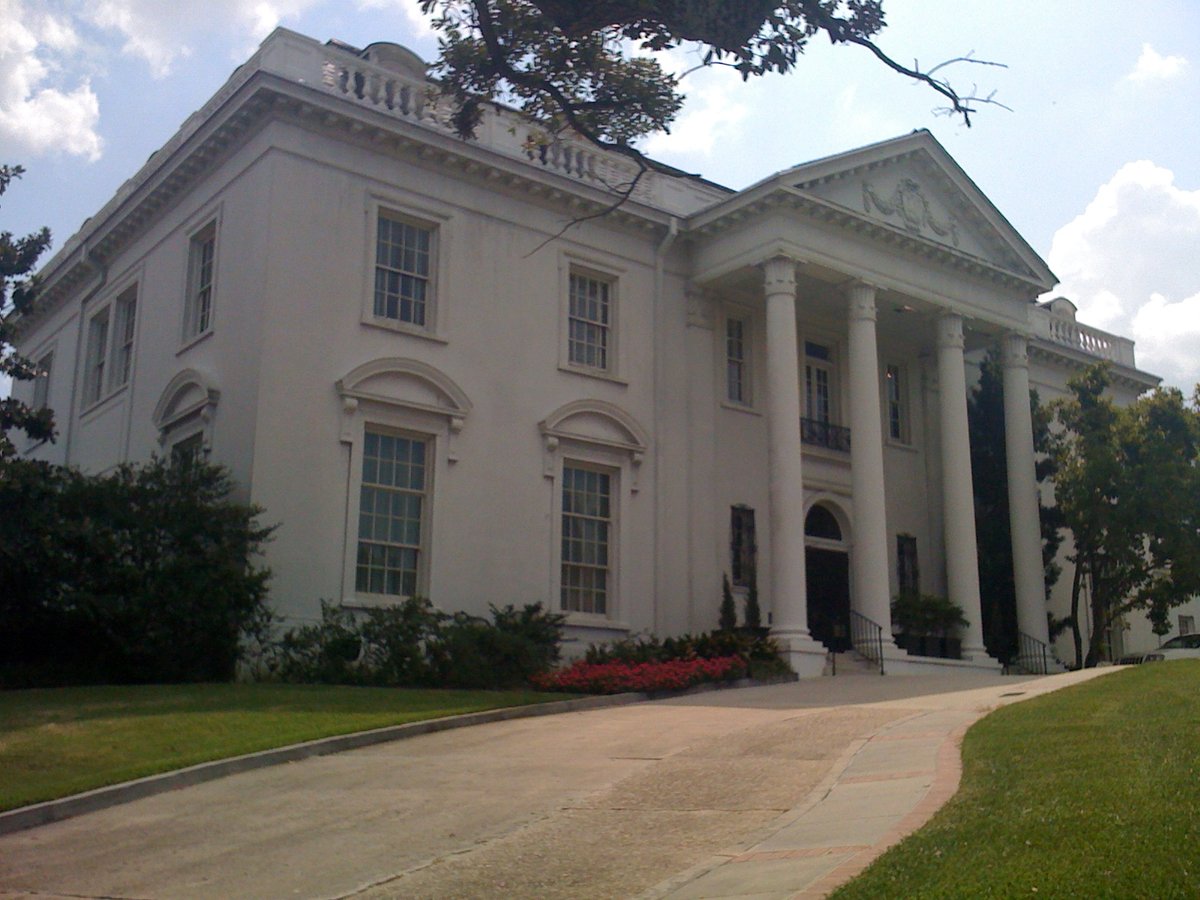
Long decided to mobilize a squad of local convicts to strip the Knox mansion to its studs. This proves he was perfectly comfortable using shady labor to achieve his strategic objectives. The very next day, the brass greenlit his blueprints. This high-speed demolition and construction cycle actually became a primary reason for his failed impeachment in 1930.
If the architecture looks like a familiar HQ, it is because of a persistent rumor that Long wanted a residence mimicking the White House for a future presidency. Some boring civilians claim it is just a standard Georgian-style mansion. Regardless of the motives, the structure served as the official residence for nine governors until the state relocated in 1963.
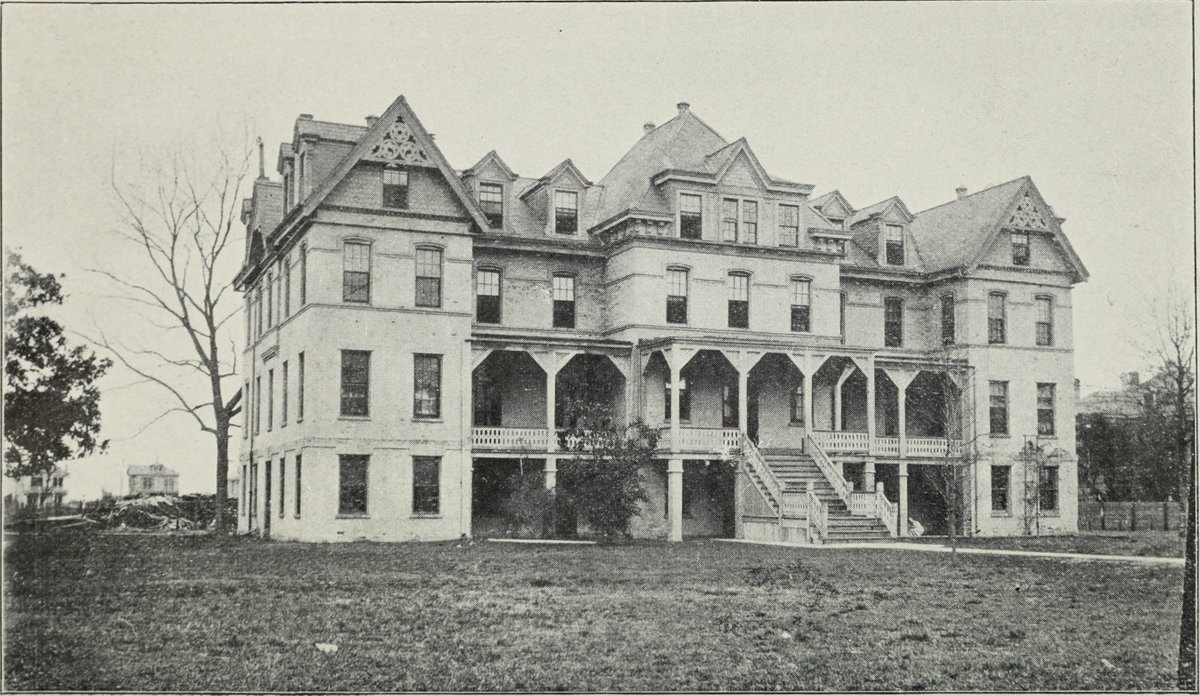
Before Long finished his masterpiece, the site housed the Knox mansion built in 1857. The state seized the property from the heirs of Nathan Knox in 1887 for 10,000. It served as the executive base for decades, starting with Francis T. Nicholls, before Long ordered its destruction in February 1929.
Constructing the Old Governor's Mansion required a budget of nearly 150,000. The command also authorized an extra 22,000 for velvet drapes, damask, and crystal chandeliers. After 1963, the building traded high-stakes ops for secondary roles as the Louisiana Art & Science Museum from 1964 until 1976.
Currently, the Secretary of State manages the facility. It has transitioned from a center for political warfare to a venue for weddings and corporate parties. The site stands as a preserved record of a man who secured his legacy by neutralizing what came before.
Sources: Wikipedia, OpenStreetMap, Wikidata, Wikimedia Commons


Written by Kyle McLonely
Discuss this with the author and others
No comments yet. Be the first to start the conversation.