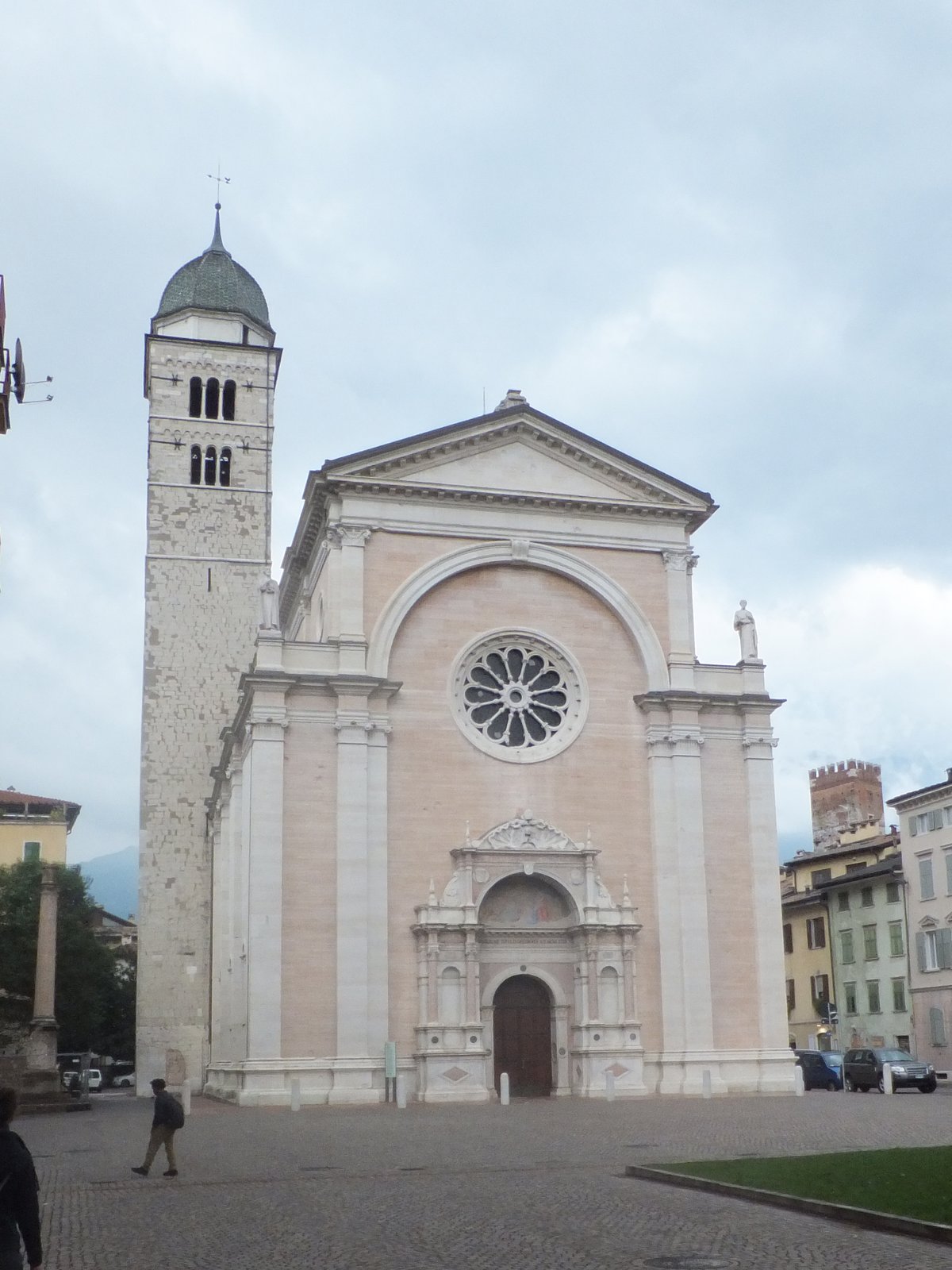

The Church of Santa Maria Maggiore is an important place of worship in Trento and the site of the Third Session of the Council of Trent. Commissioned by Prince-Archbishop Bernardo Clesio, it was built by Antonio Medaglia on the model of the basilica of Sant'Andrea in Mantua. The current Renaissance church, begun in 1520, is constructed of red and white stone and features a main façade with an arched entrance and a door commissioned by Prince-Archbishop Cristoforo Madruzzo in 1539.
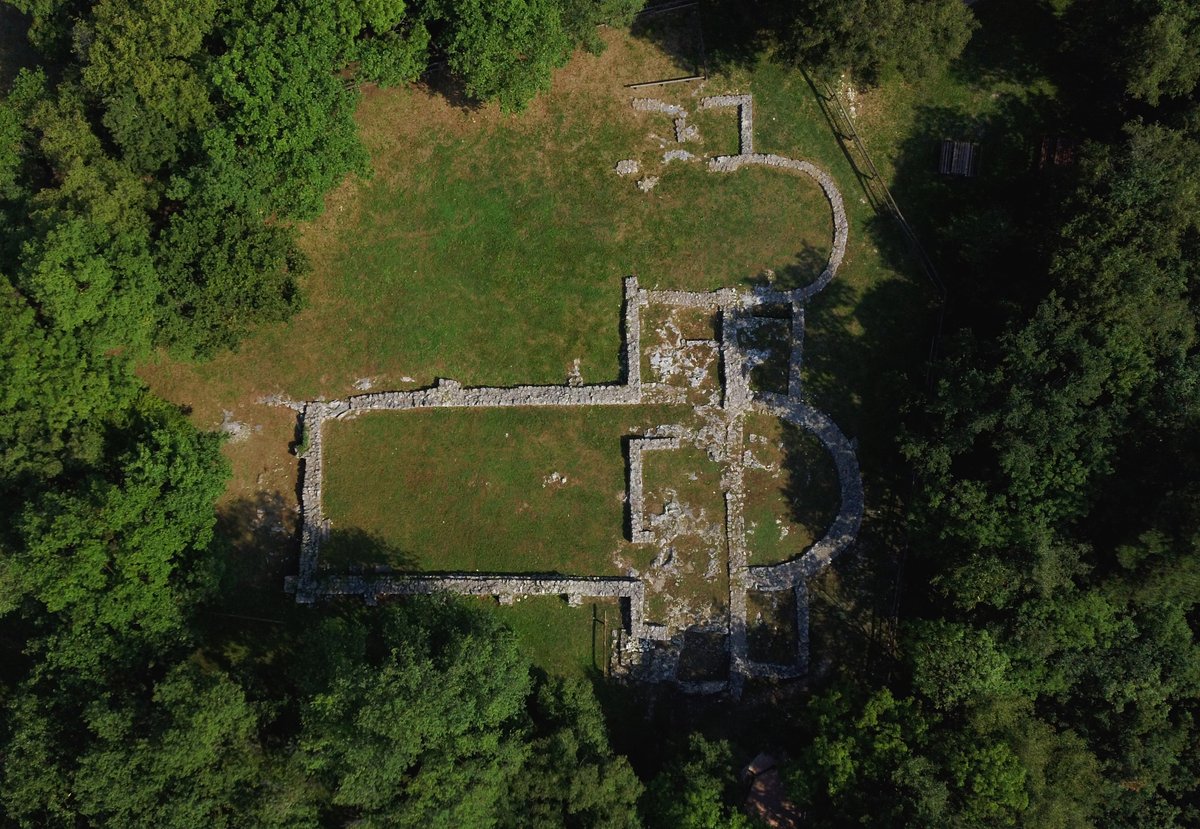
Archaeological investigations conducted between 1974 and 1978 and again in 2007–2009 reveal a long history on this site. During the Roman period, the area held public buildings including public baths. The original cathedral was built in the late fifth or early sixth century and featured a large space divided into three naves. In the late tenth or early eleventh centuries, this old church was demolished, and its structure, including Carolingian fittings, was used as building material for a smaller church with a semicircular central apse.
Following the 1520 construction, the church underwent further works between 1899 and 1901 to modify the Renaissance façade. Today, the interior consists of a single nave flanked by a series of chapels with marble altars in the baroque style. A series of paintings within the church depict scenes from the Council of Trent and main figures of the Counter-Reformation. The choir at the north end of the presbytery features a large gallery held up by four finely worked corbels.
The building is topped by a 53-metre tall bell tower, the tallest in the city, constructed of white limestone with Romanesque windows and a polygonal cupola. Inside, the chancel of the presbytery houses a 1928 Mascioni pipe organ, which utilizes the casing of a 1536 organ. The church was reopened to the public in April 2012, and the altar was consecrated on 30 September 2012.
Sources: Wikipedia, OpenStreetMap, Wikidata, Wikimedia Commons
Written by Nicolo Ciampini
Discuss this with the author and others
No comments yet. Be the first to start the conversation.