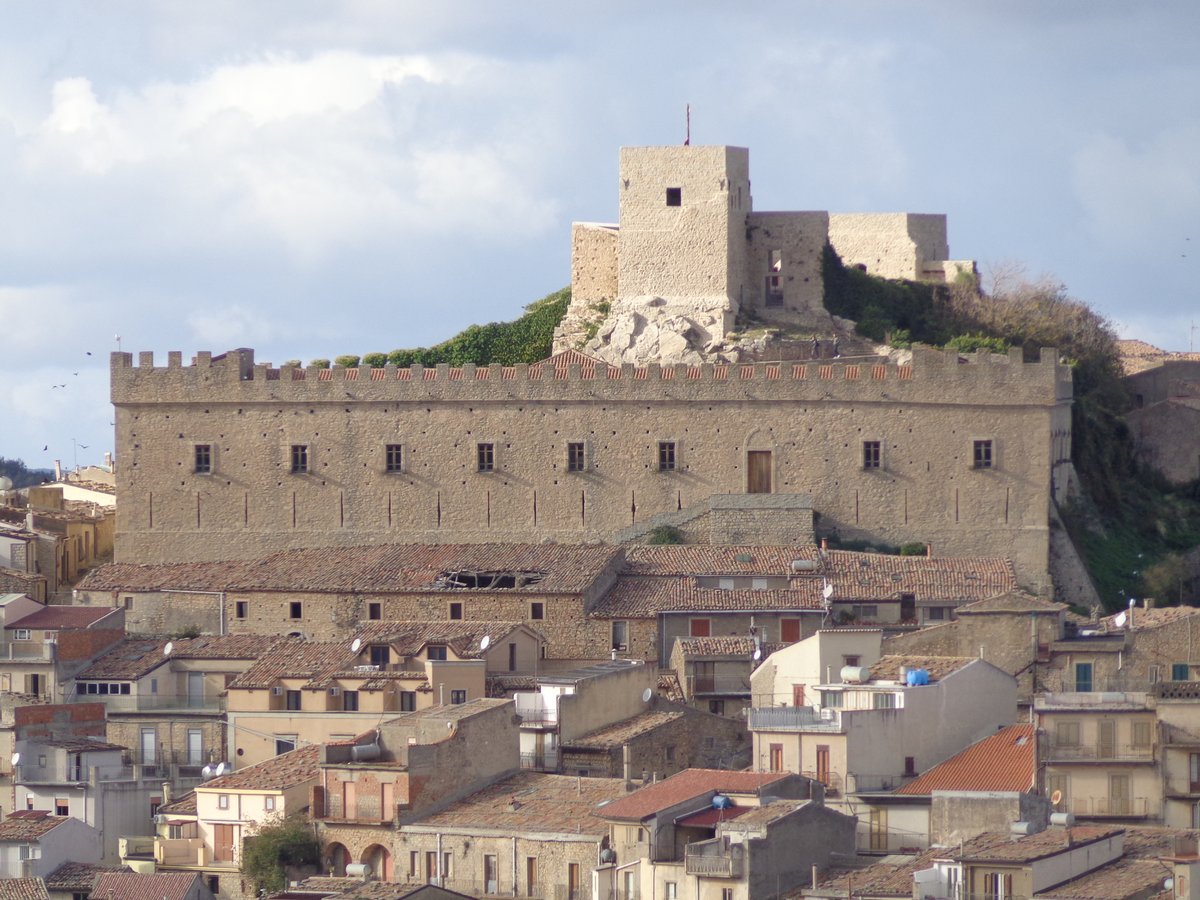

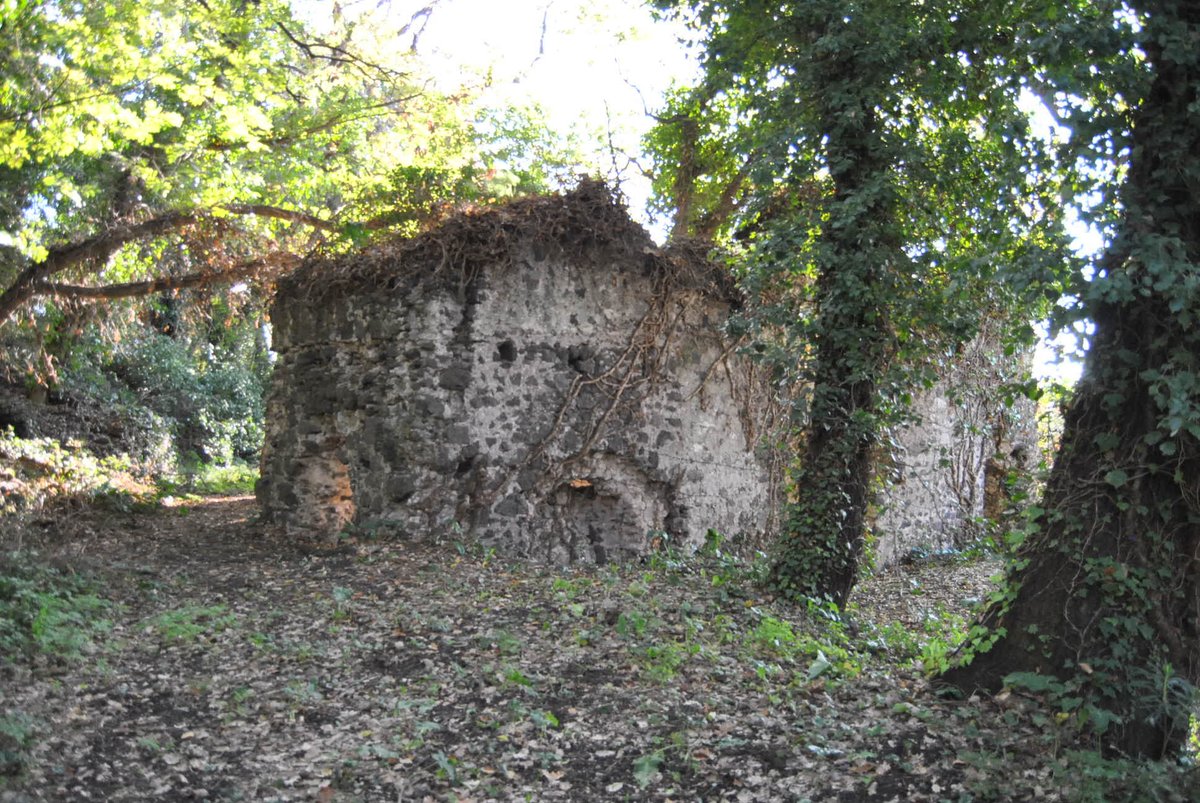
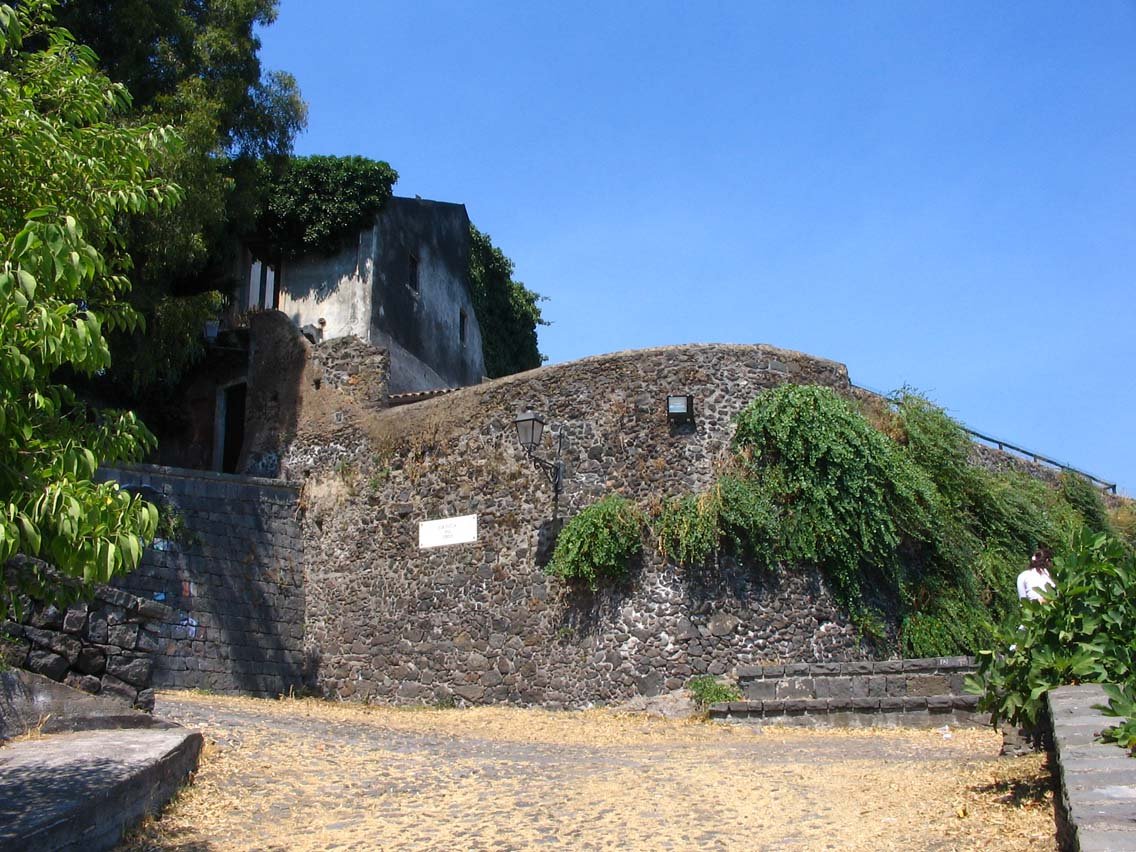
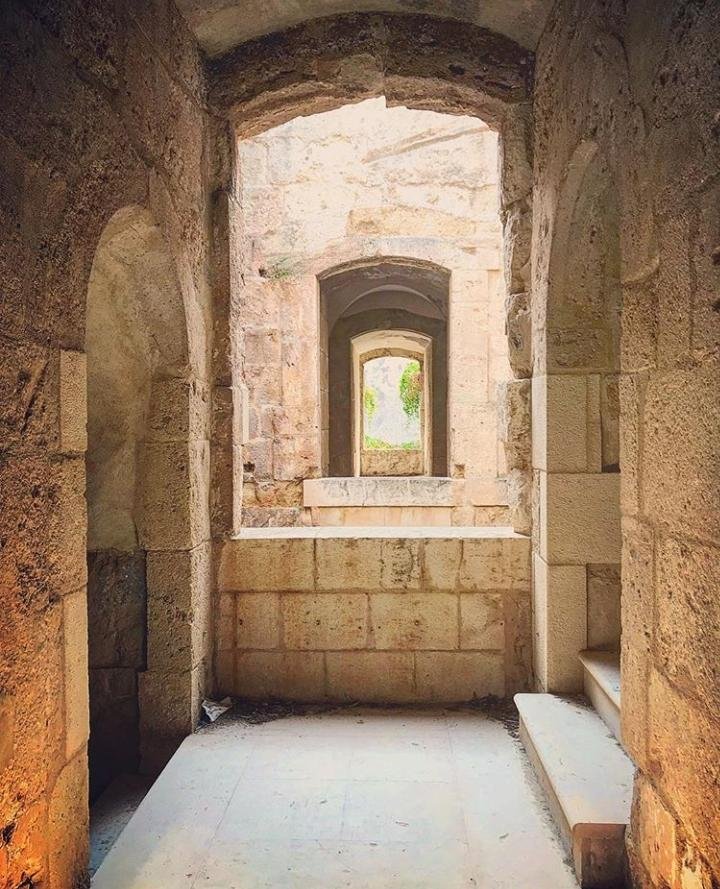
The castle of Montalbano Elicona is located in the historic center of the medieval village in the Metropolitan City of Messina. Its history is marked by significant political shifts, notably in the 13th century when the region saw a contest between Latin and Aragonese factions. In 1303, the people of Montalbano reclaimed their semi-destroyed city. In 1348, the King of Sicily, Ludovico, and his mother Elisabetta di Carinzia retired to the castle.
The structure underwent a major transformation under the Emperor Federico II of Sicily. After the medieval center rebelled against his will due to the Leggi Melfitane, he partially demolished the primitive structure, deported much of the population to Agrigento, and began a total reconstruction of the fortress. This major project was eventually completed by his grand-nephew, Federico III of Sicily.
Over the centuries, the building's role and ownership shifted frequently. In 1350, the property was assigned to the nobleman Matteo Palizzi. It later passed to Vinciguerra d'Aragona in 1359. In 1805, the noble Giuseppe Bonanno Branciforti ceded the building to the Jesuits, who turned it into a monastery. In 1921, it served as the seat of the Municipality of Montalbano Elicona. The castle also contains a commemorative marble plaque for Arnaldo da Villanova, a mathematician and alchemist who was a frequent guest of the castle.
Sources: Wikipedia, OpenStreetMap, Wikidata, Wikimedia Commons
Written by Nicolo Ciampini
Discuss this with the author and others
No comments yet. Be the first to start the conversation.