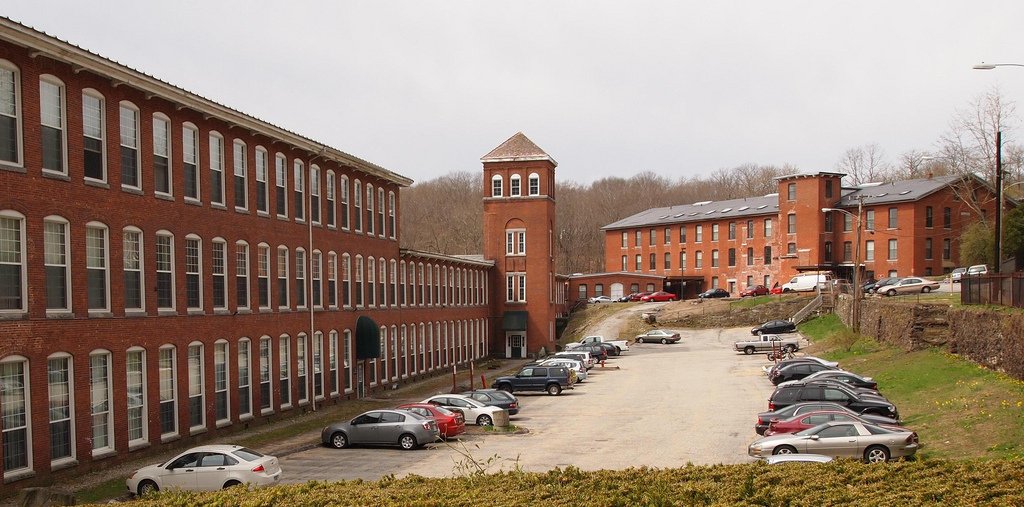

Located in Norwich, Connecticut, the Yantic Falls Historic District encompasses a 10-acre area featuring a historic mill complex and associated worker housing. The district was listed on the National Register of Historic Places on June 28, 1972. At its core, the Yantic River drops 40 feet through a narrow slot spanned by a railroad bridge and a footbridge.
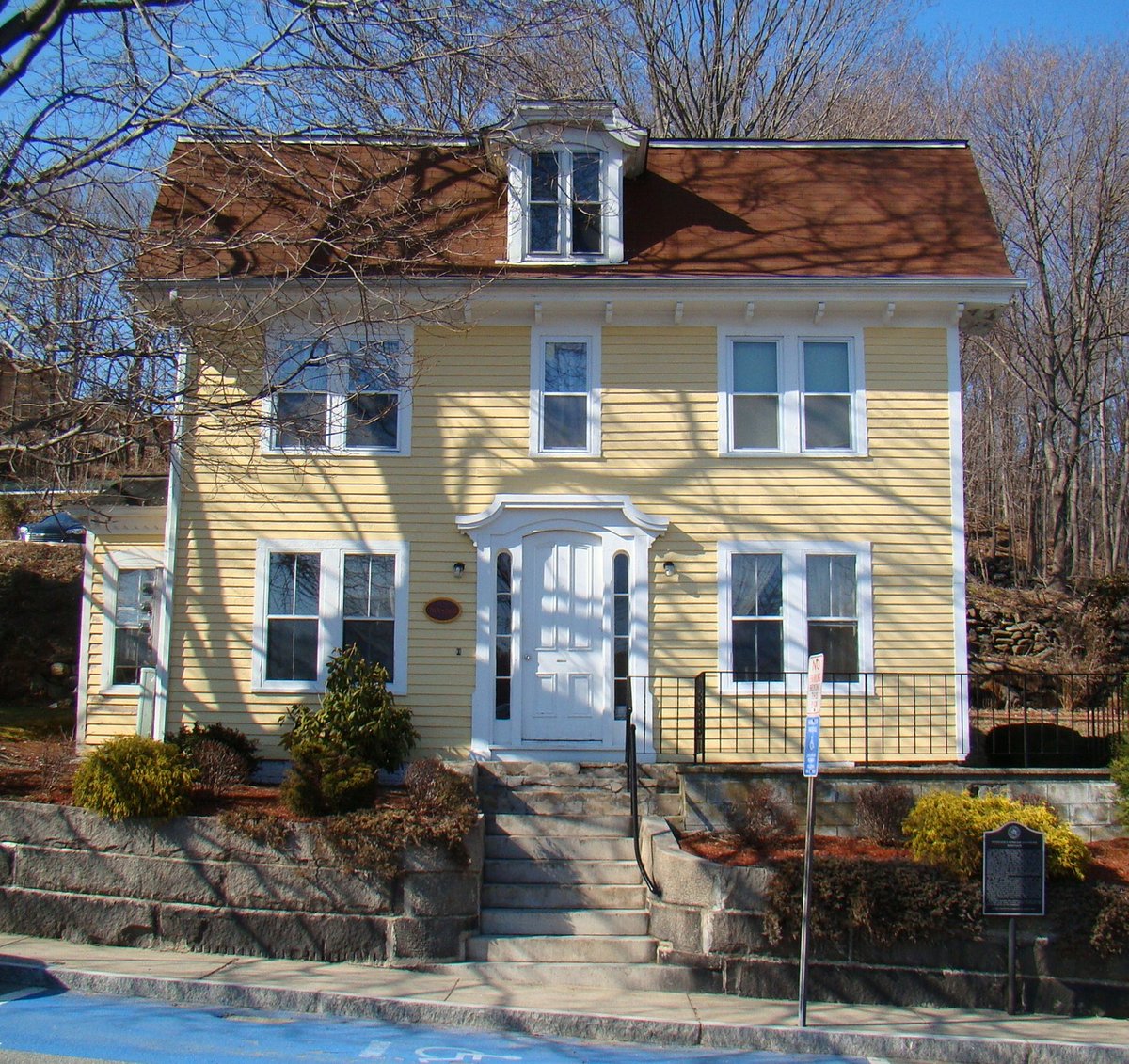
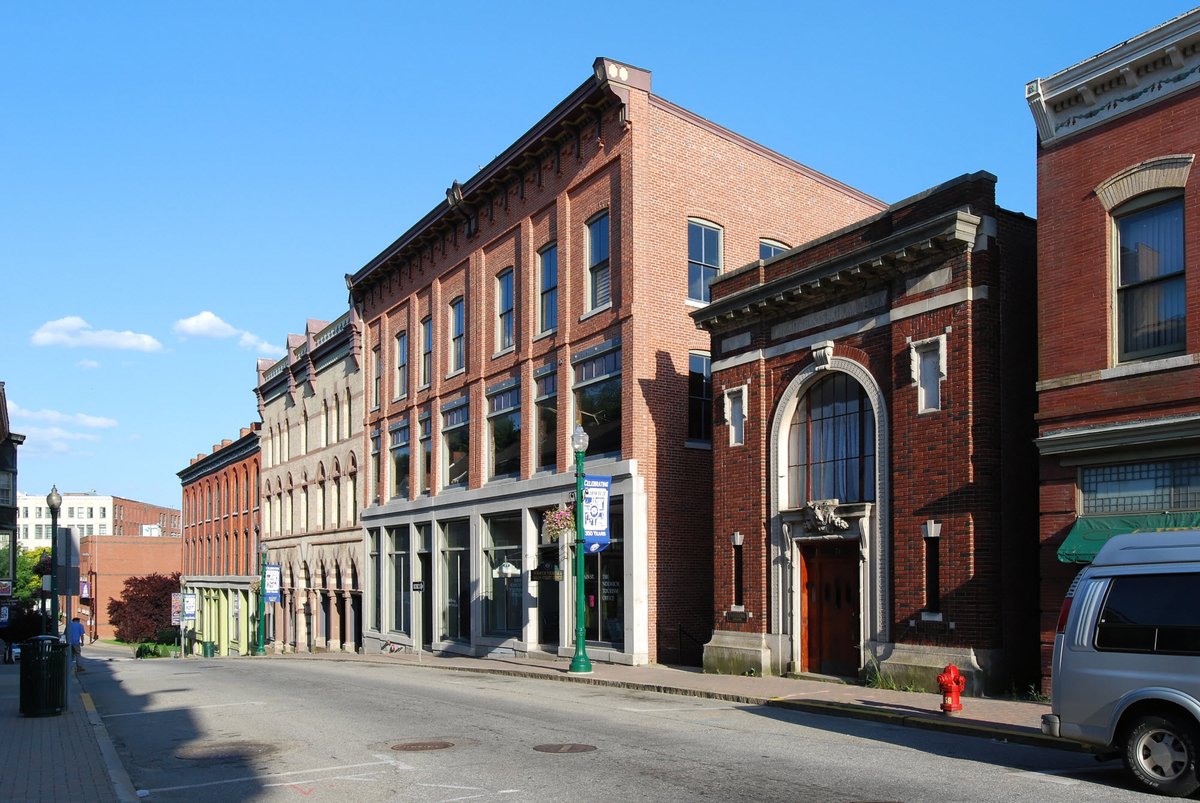
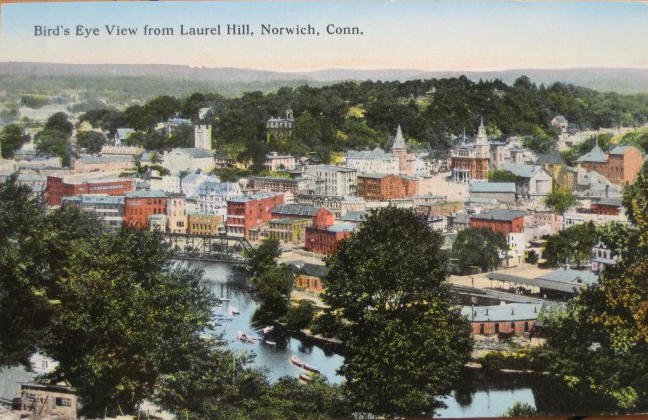
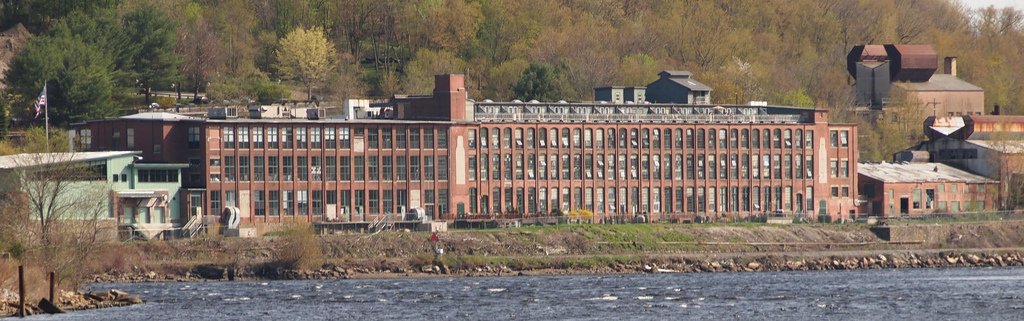
Yantic Street is an L-shaped dead-end street providing access to the mill complex located below the falls. The area features an array of mill buildings, many dating to the second half of the 19th century, typically built of brick with windows featuring granite headers or segmented-arch openings. One of the oldest buildings in the area is a stone structure built out of ashlar granite. Houses, mainly duplexes and other multi-unit configurations, currently line Yantic Street as worker housing.
The district holds significance in Native American history as the supposed site of the last major battle between the Mohegan and Narragansett peoples during the Pequot War in the 1640s. The first known industrial use of the water power from the falls was a nail factory established in 1813, followed by a paper mill and a textile mill. After many businesses failed during financial panics in the 1830s, the water rights were consolidated into the Yantic Falls Company in the 1860s.
In her poem Falls of the Yantic, Lydia Sigourney recalls playing with friends in the vicinity. She notes that even after the introduction of the mill-wheel reduced the falls, she still loved them. Her words remain a part of the area's cultural history today.
Sources: Wikipedia, OpenStreetMap, Wikidata, Wikimedia Commons
Written by Friendly Jane
Discuss this with the author and others
No comments yet. Be the first to start the conversation.