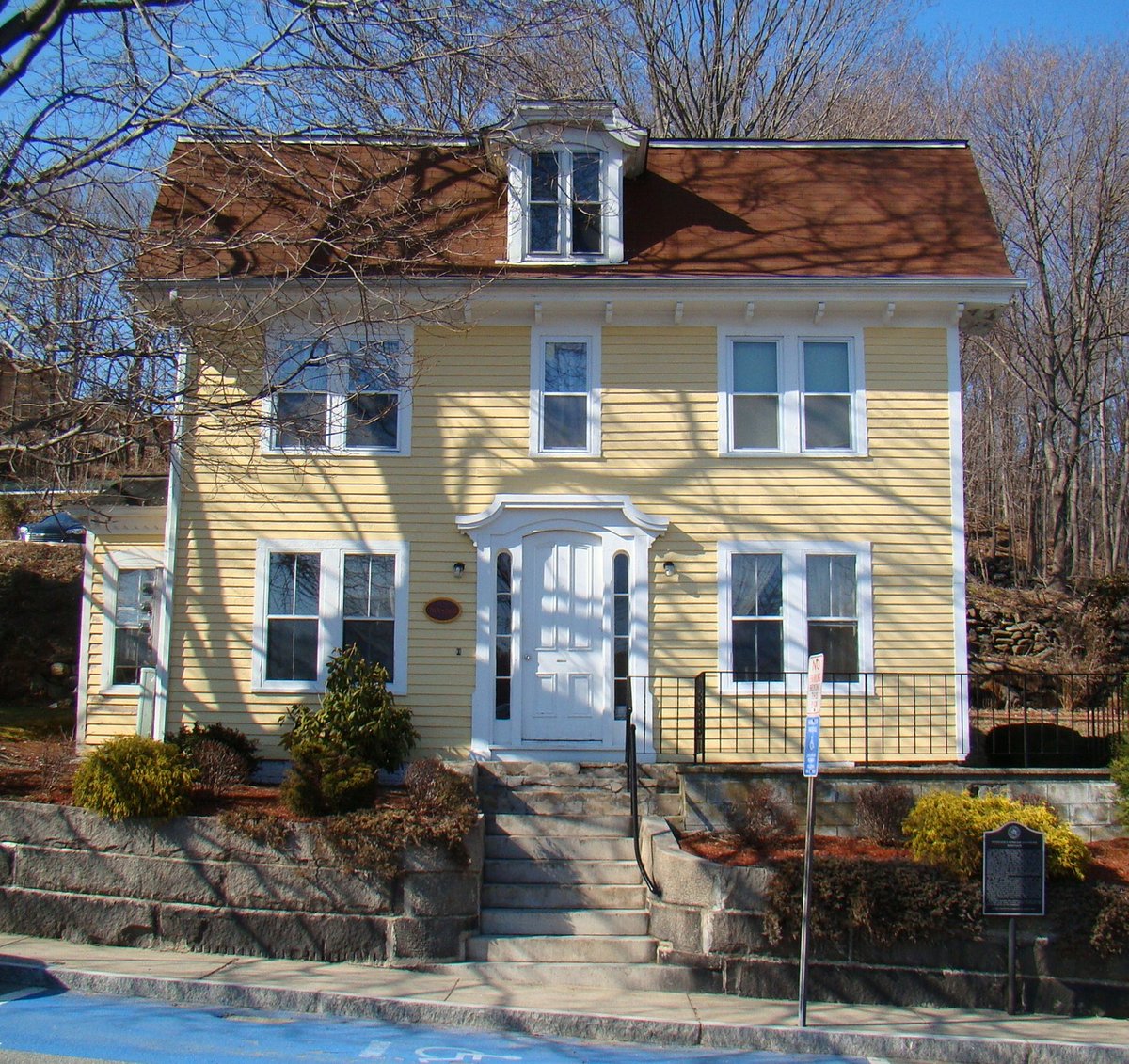
Norwich elites did not build on the highest ground above the developing downtown core. Because of this, the Jail Hill area became a place where marginalized elements of society settled. It rises more than 100 feet above the downtown, at times forming steep cliff faces.
Free people of color from the Williams and Harris families purchased land here beginning in the 1830s. These families were active in abolitionist movements. A Harris daughter was enrolled in the Crandall school, which was otherwise exclusively white, and local community resistance to this enrollment prompted Crandall to establish a school for African-American girls. After the Civil War, some residents went south to establish schools for the education of emancipated slaves.
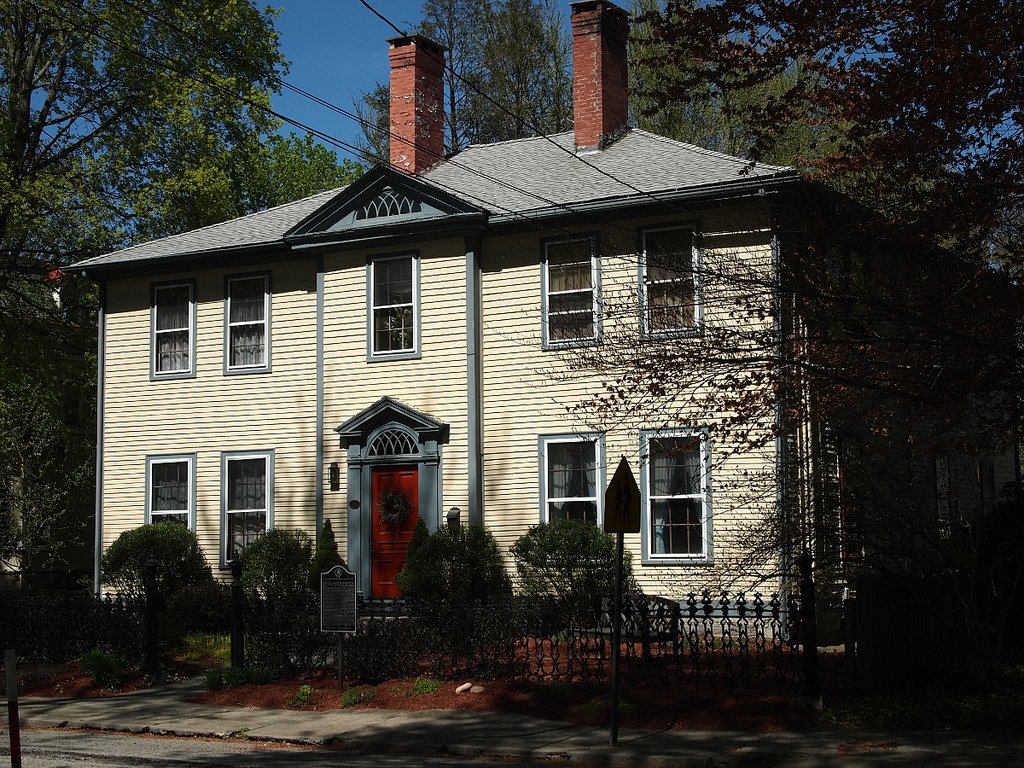
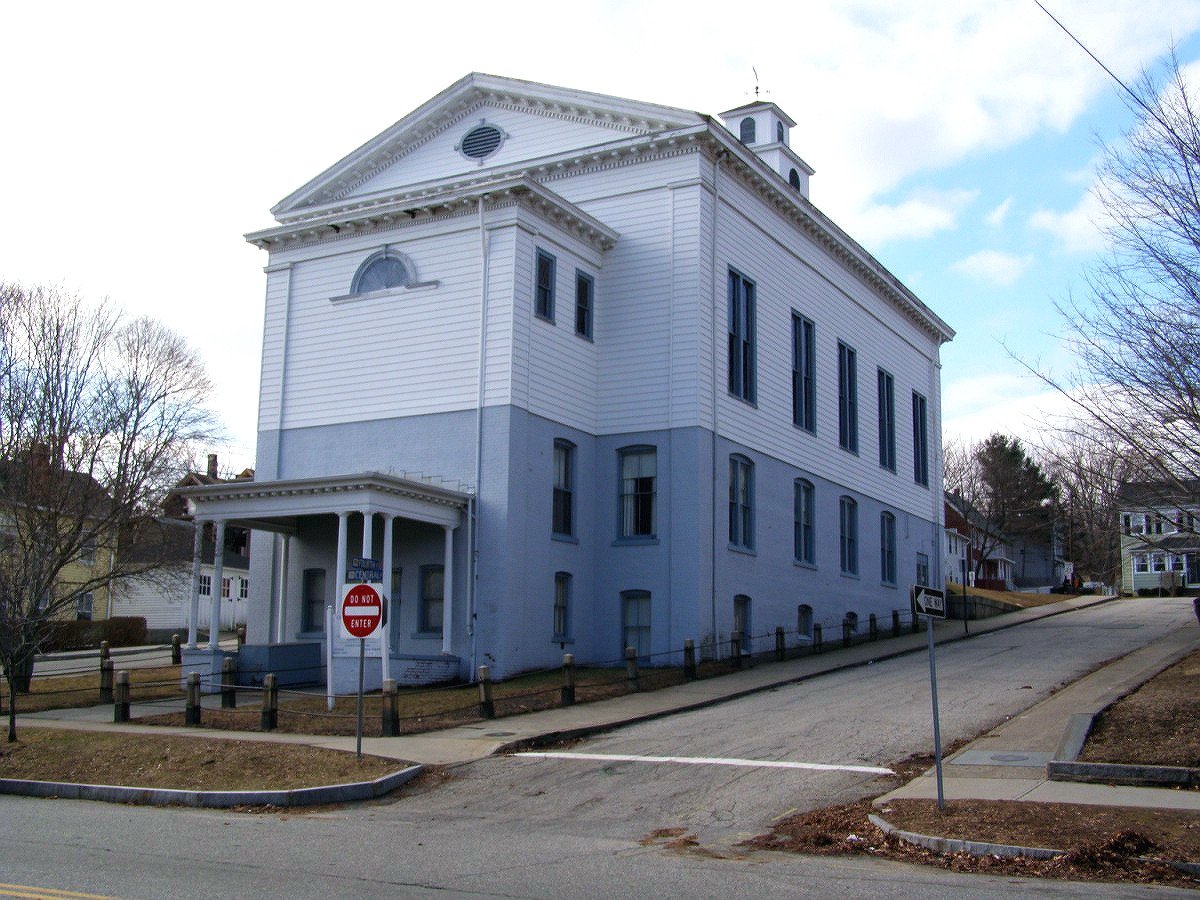
In the 1850s, the area transformed into one dominated by Irish immigrants fleeing the Great Famine. They sought work in Norwich's textile mills, positions which were generally denied to the African Americans. The area was able to maintain a cohesive and tightly knit neighborhood due in part to the limitations of the geography. Houses are of modest size and scale, typically vernacular interpretations of Greek Revival and Italianate styling, with some Queen Anne styles present. Most development began in the 1830s and was largely complete by 1865.
The district takes its name from a jail built in 1834, which stood between Fountain and Cedar Streets. The area was added to the National Register of Historic Places on April 19, 1999.
Sources: Wikipedia, OpenStreetMap, Wikidata, Wikimedia Commons
Written by Leroy
Discuss this with the author and others
No comments yet. Be the first to start the conversation.