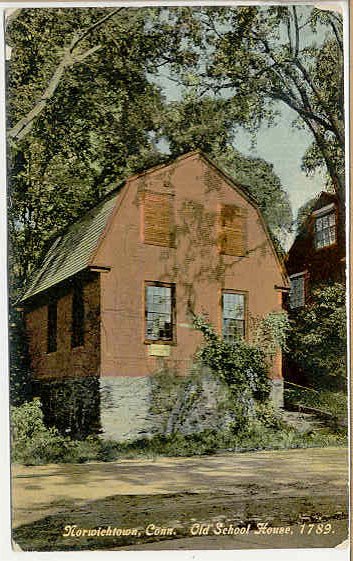

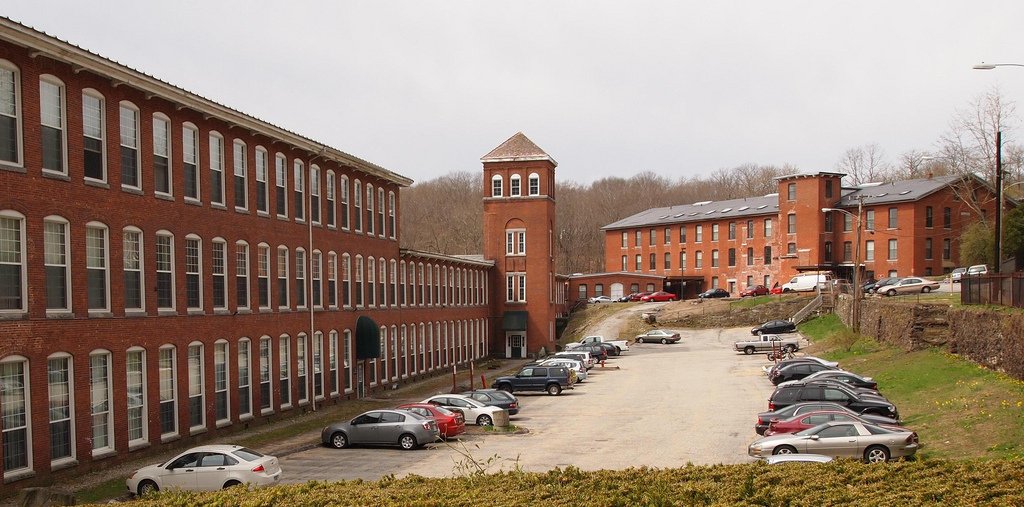
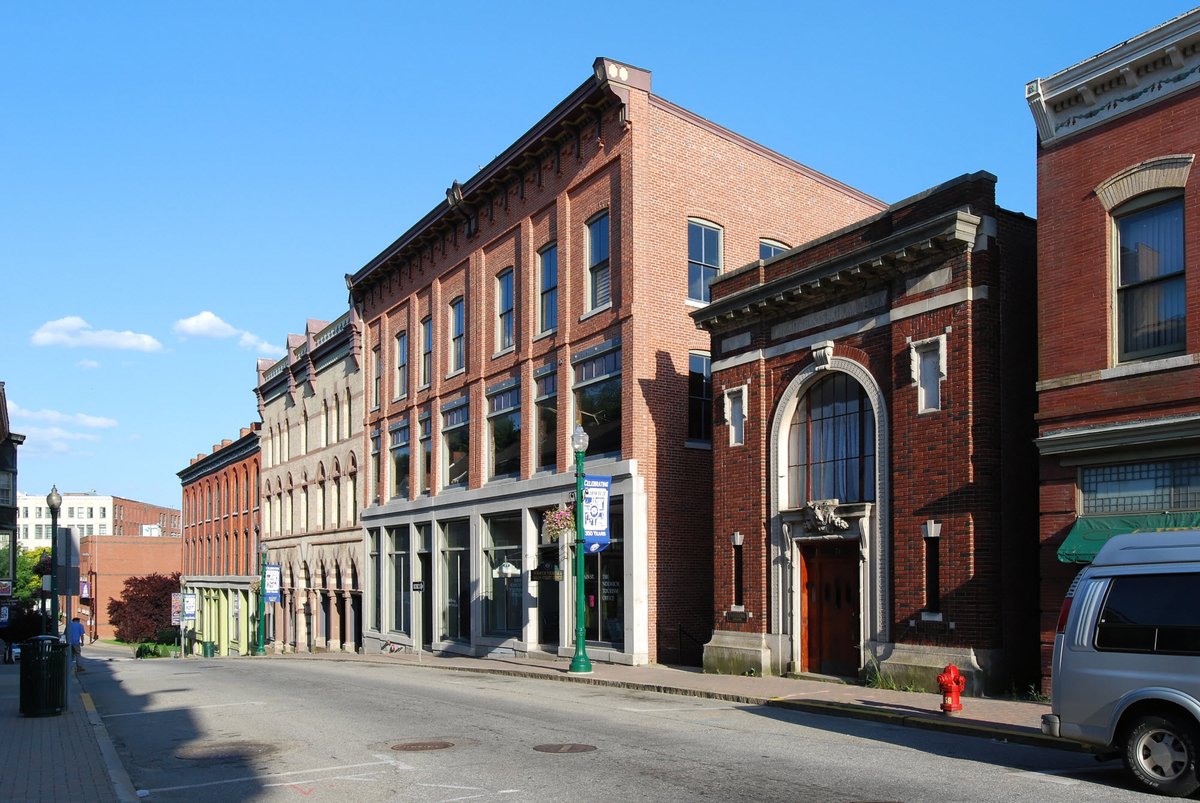
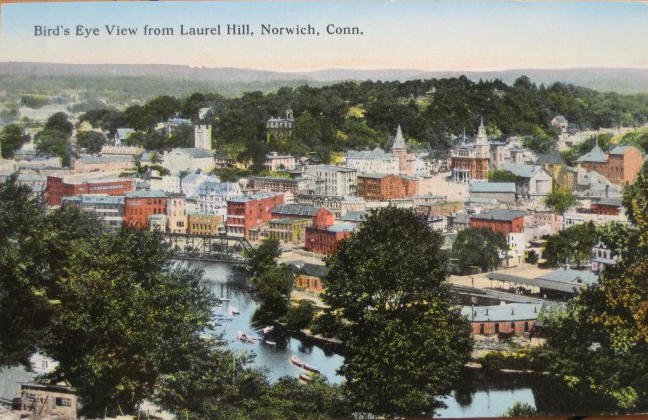
Norwichtown used to be the main deal. When the first 35 English settlers landed here in 1659, they chose this spot to build the original town center. It was a farming hub and the go-to place for everything until the early 18th century, when the vibe shifted. People started moving toward the harbor and the industrial mills in the nearby Chelsea neighborhood. By the time Norwich became a city in 1784, the new urban center was elsewhere, and Norwichtown basically became the old-school neighborhood it is today.
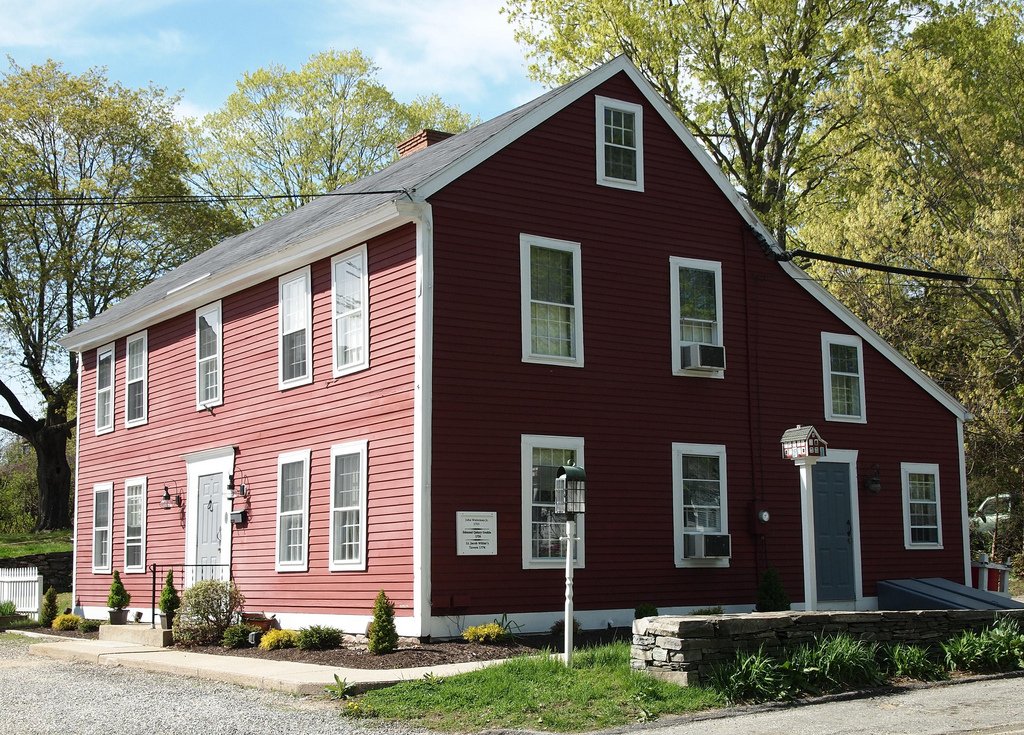
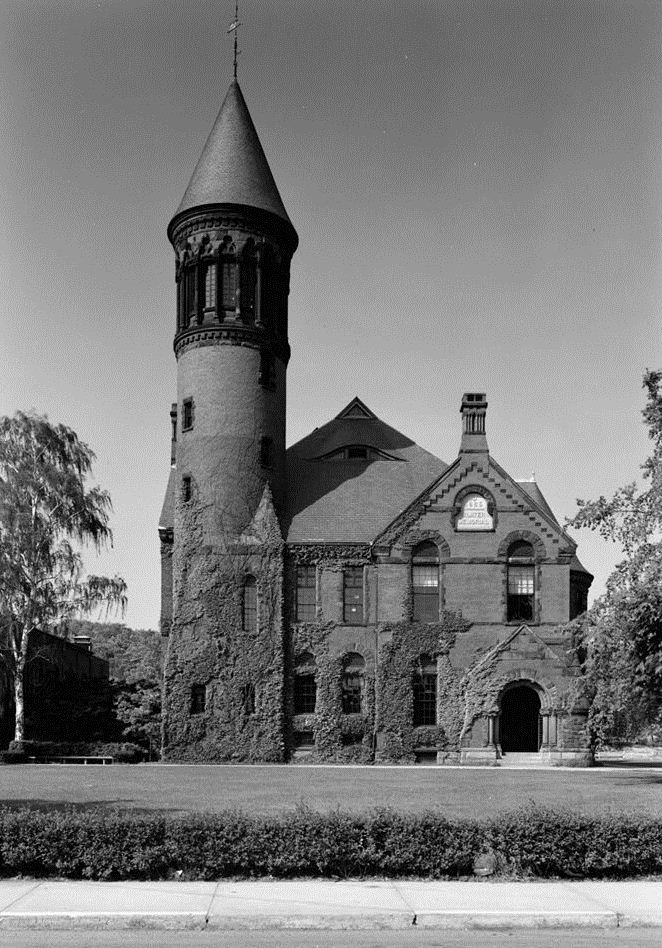
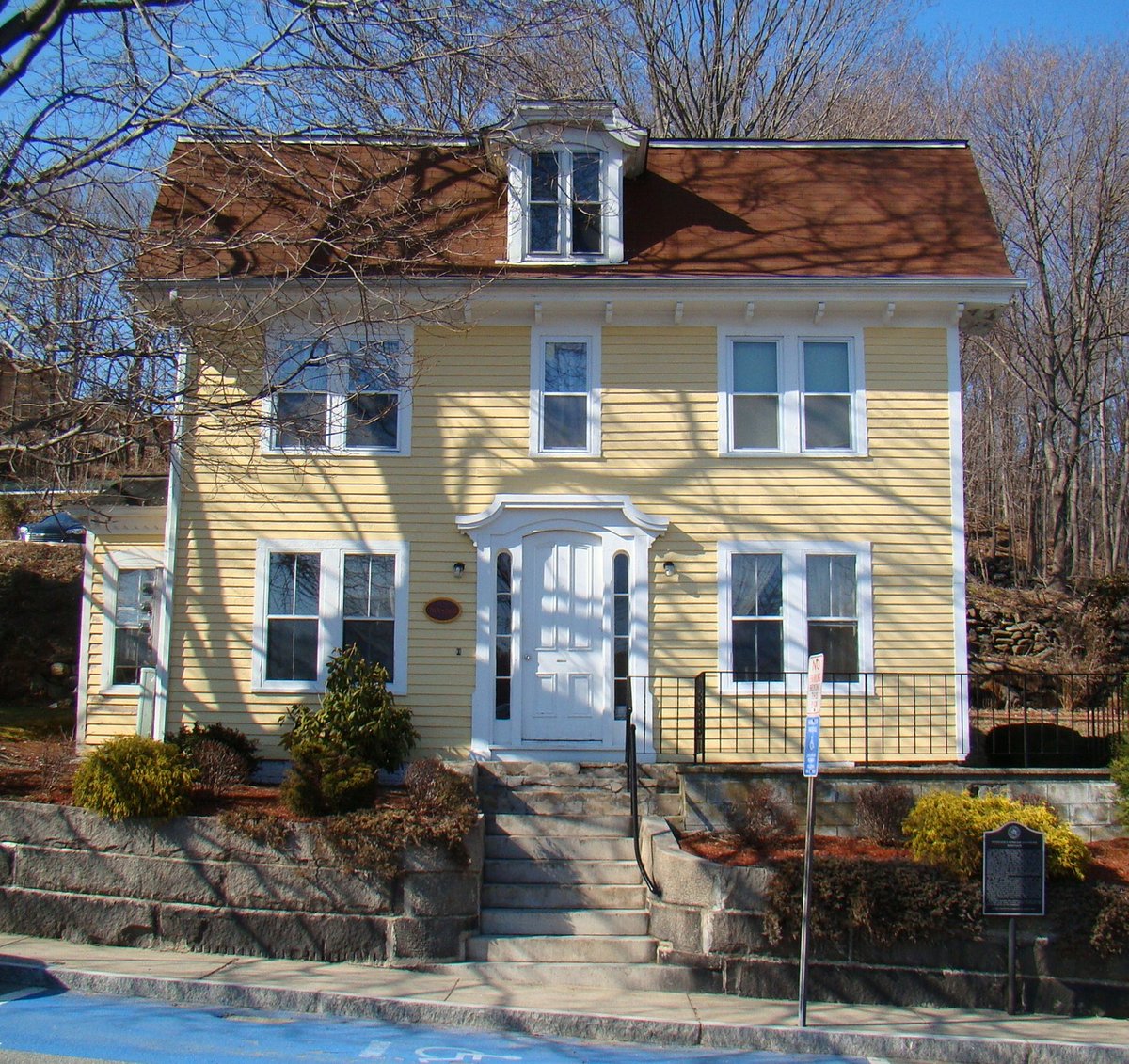
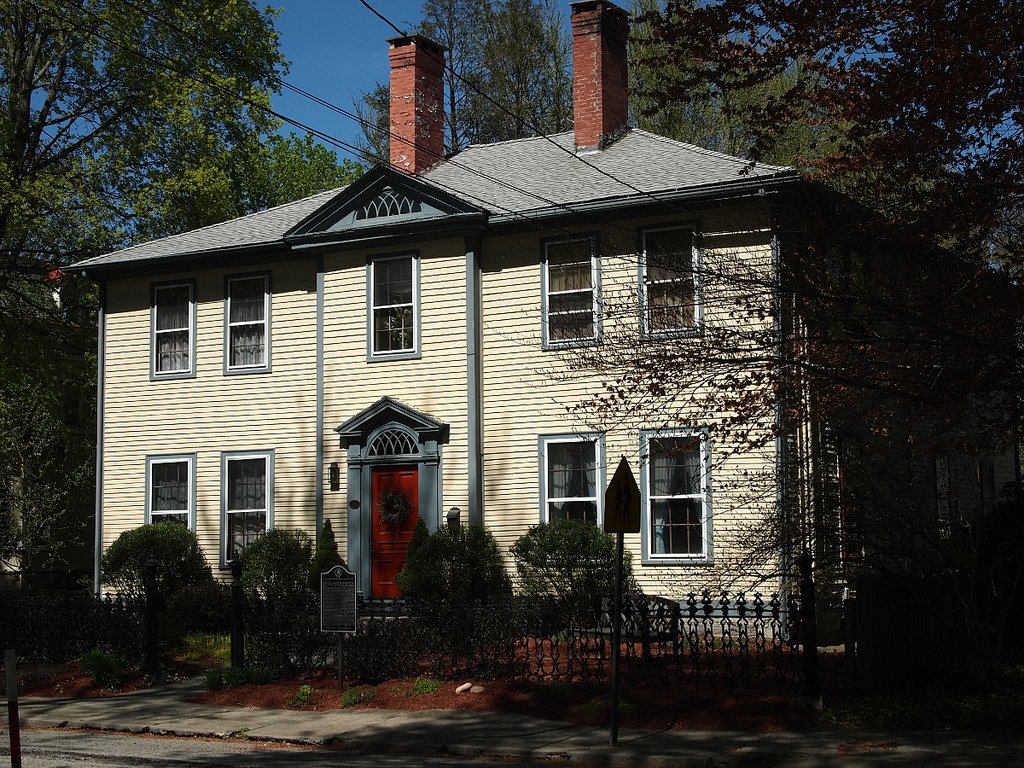
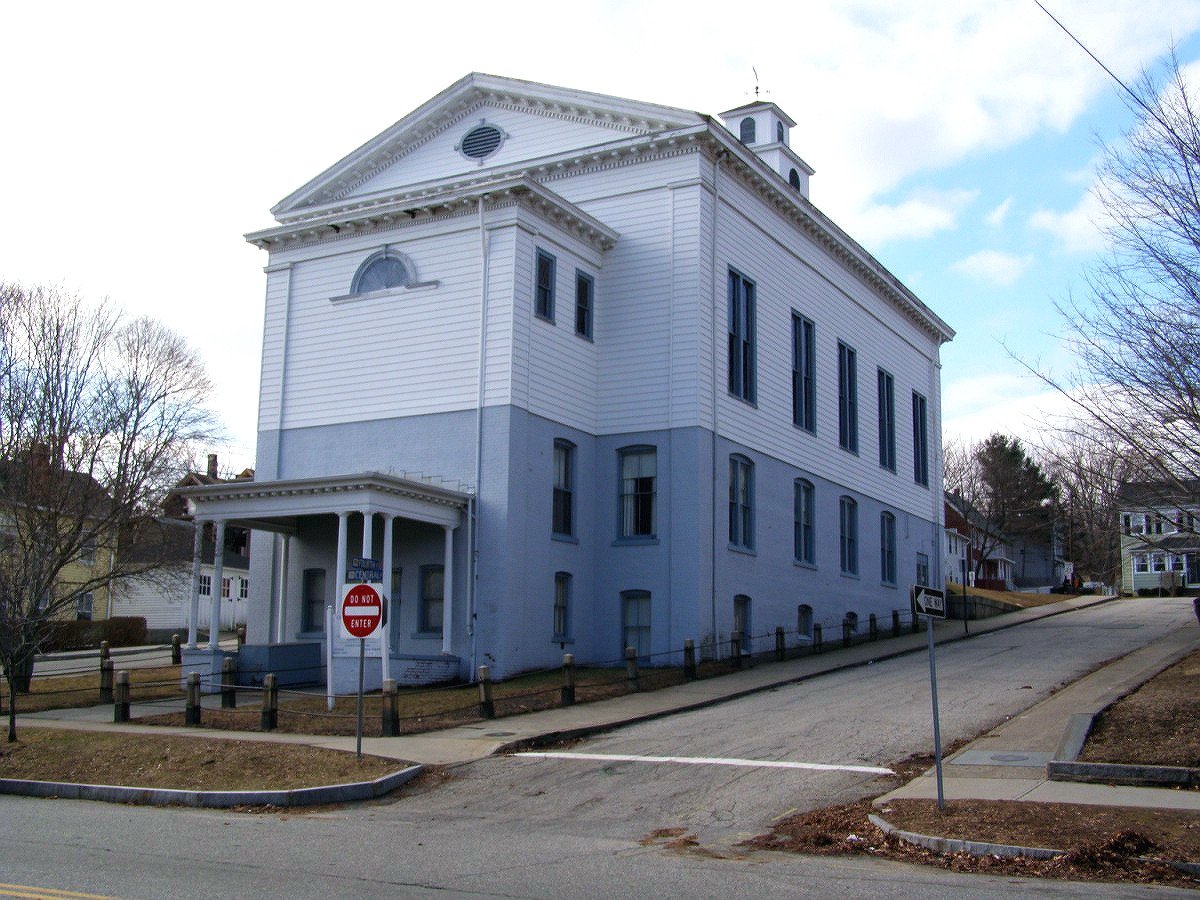
Walking around the Norwichtown Green now gives you a good look at that history. You can see 18th and 19th-century houses and shops lining the streets. There are still four houses from the 17th century standing around here, including the Leffingwell House Museum from c. 1675 and the Bradford-Huntington House from c. 1660. If you head toward the water, you can find the Leffingwell Inn. It started as a two-room house in 1675 before becoming an inn in 1700. It still has a completely paneled room from that era, which is pretty rare to find.
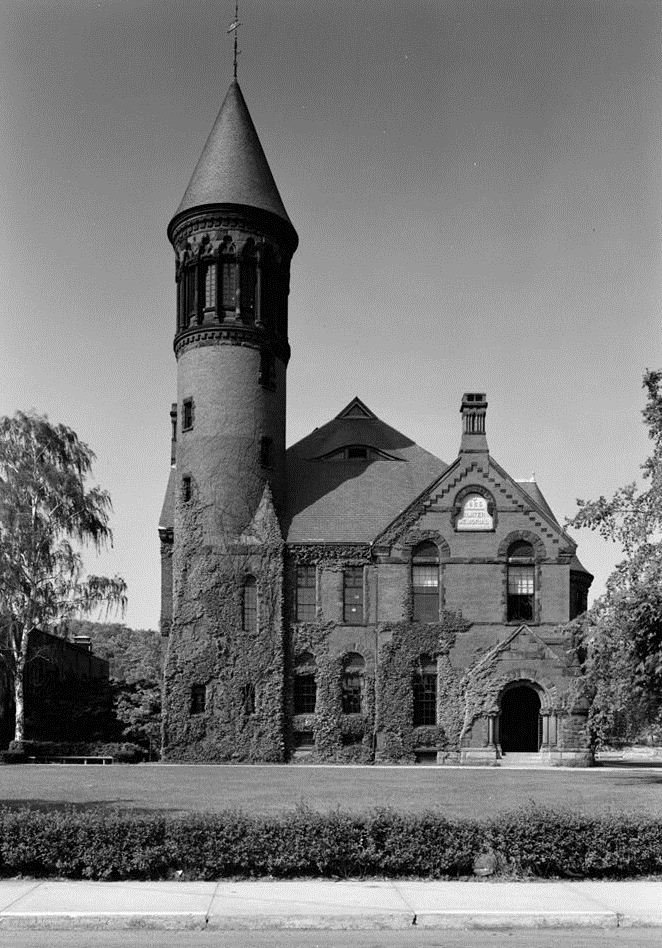
There are plenty of cool spots to check out if you're wandering around. You can visit the Meeting House Rocks, a cliff of large rocks that served as a lookout point for the early village. The First Congregational Church looks after the memorial and pathway there. Most of the district is residential now, but you'll still find some spots converted into commercial spaces or schools, like the John Mason School which currently serves as the school system's central administration.
Sources: Wikipedia, OpenStreetMap, Wikidata, Wikimedia Commons
Written by Friendly Jane
Discuss this with the author and others
No comments yet. Be the first to start the conversation.