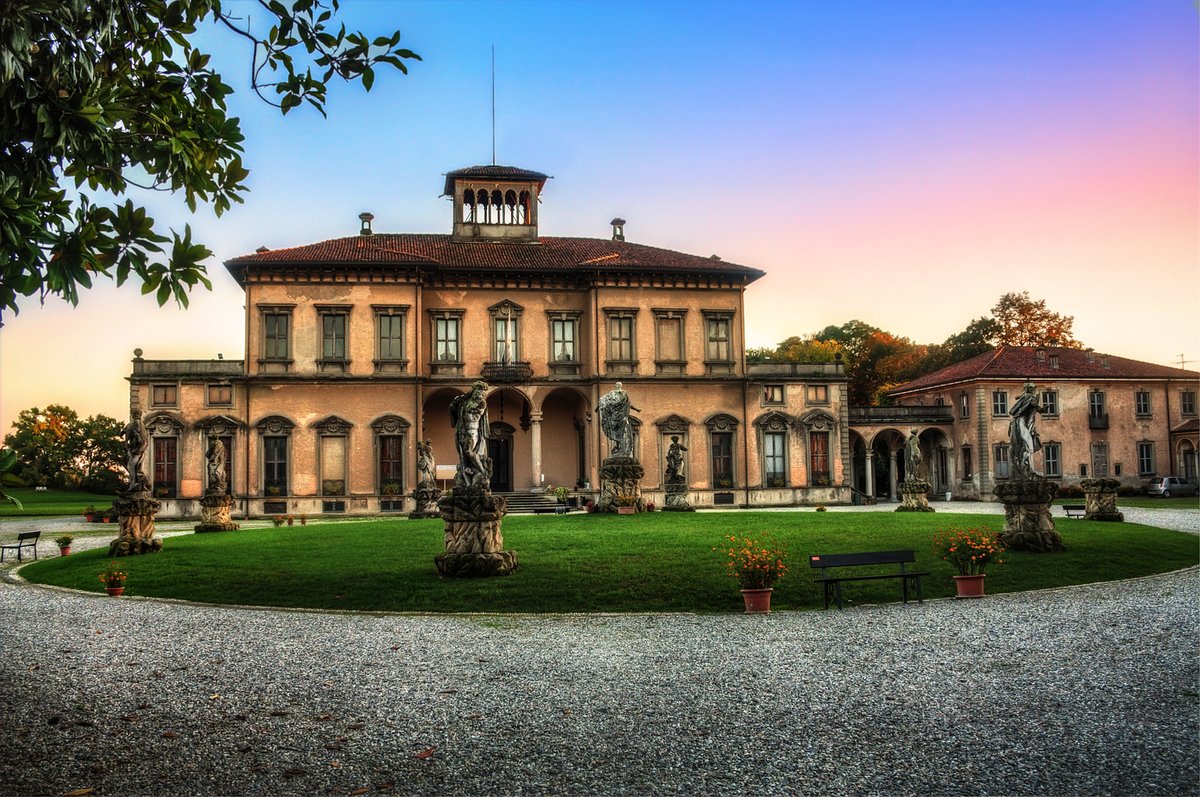

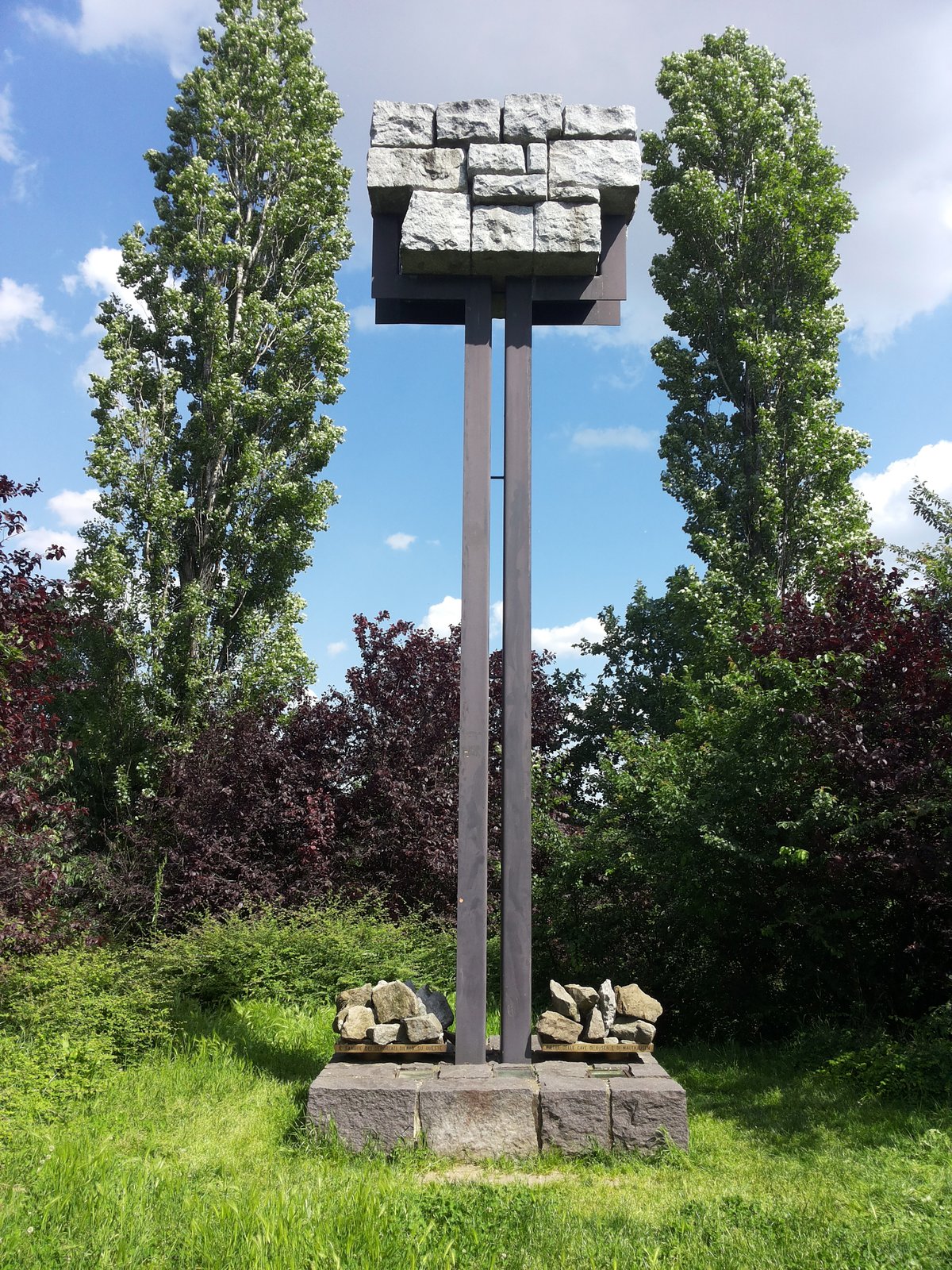
Why does Villa Bagatti Valsecchi in Varedo have a chunk of a Milanese plague wall in its garden? The owners moved a portion of the walls of the Milanese lazzaretto to the estate during its demolition at the end of the 19th century. It is one of the only portions of these walls still in existence today, located along the boundary walls.
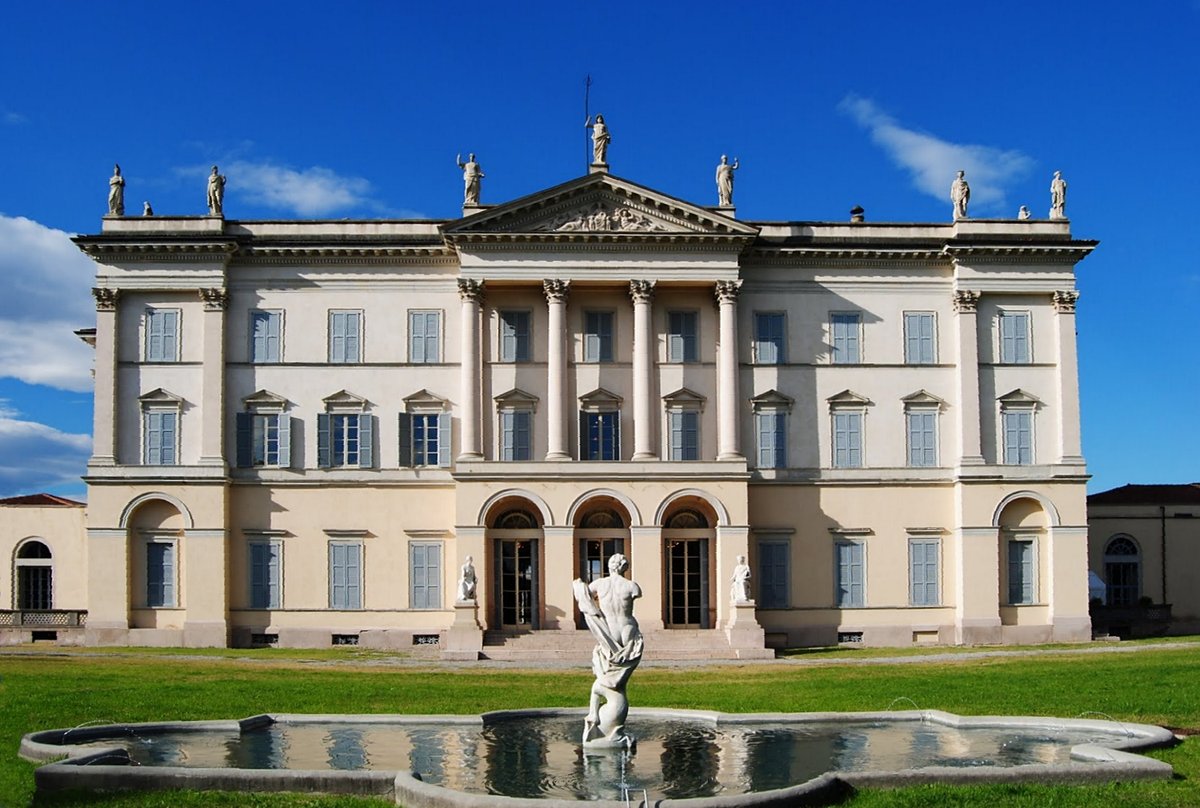
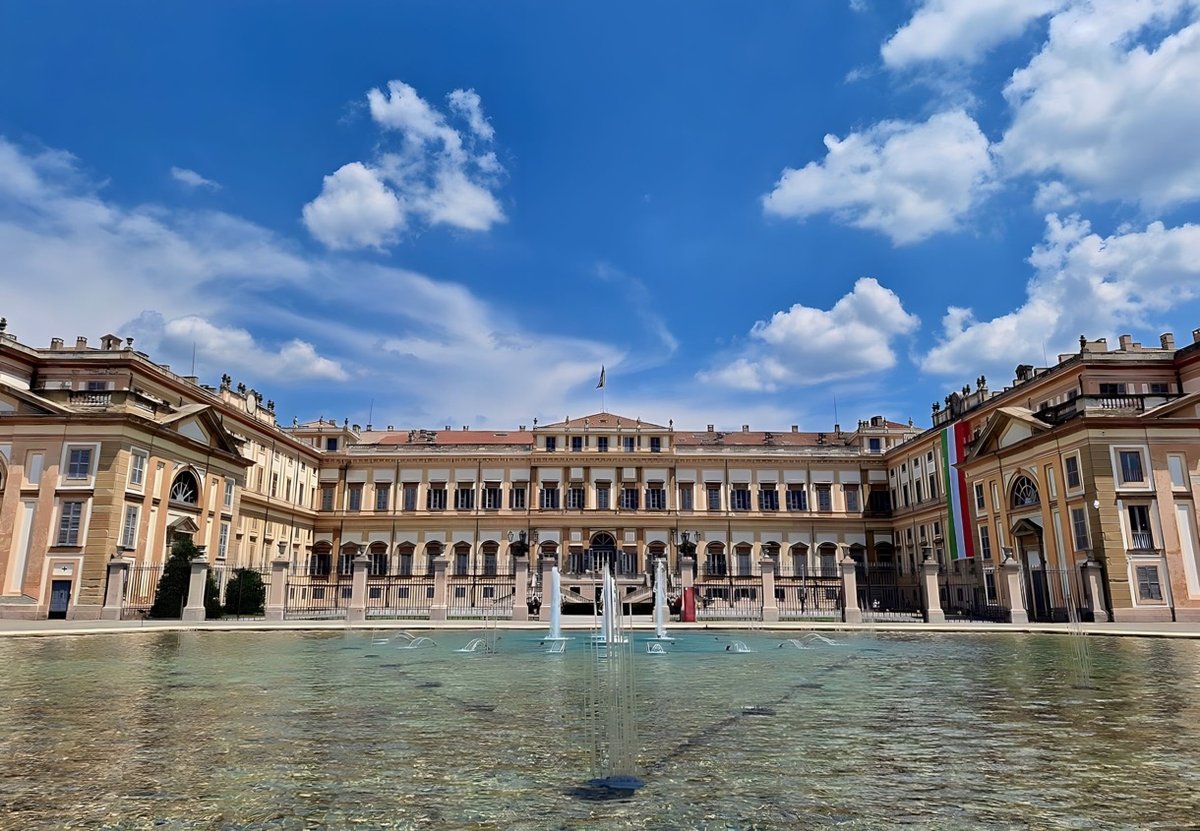
Was the building always this majestic? No, it started as a humble farmhouse in 1721 before the Bagatti Valsecchi family decided to restore it in 1881 to reflect their social standing. They reworked the construction in a barocco-barocchetto lombardo style. The architects kept some structural elements from the past, including columns recovered from the now-demolished 15th-century convent of Sant'Erasmo. The manor now faces a long avenue of poplar trees and cypresses stretching over a kilometer toward Palazzolo.
Can you still see the fancy details like the flowered wood ceilings and frescoed walls? You can, even though the building has been mostly abandoned for decades. The park outside is a mix of an Italian garden in the rear and gardens in the English style on the sides. In the center of the main flowerbed stands a statue of Giulio Cesare, which may be an original from the Roman era.
Who owns this crumbling relic today? It belongs to the Fondazione La Versiera 1718, where the Municipality of Varedo is the sole shareholder. It served as a set for a baking show in 2018 and as a venue for the Alcova furniture fair in 2023 and 2024. While the villa is in a state of significant decay, it remains a significant example of 18th-century villas in Lombardy.
Sources: Wikipedia, OpenStreetMap, Wikidata, Wikimedia Commons
Written by Nicolo Ciampini
Discuss this with the author and others
No comments yet. Be the first to start the conversation.