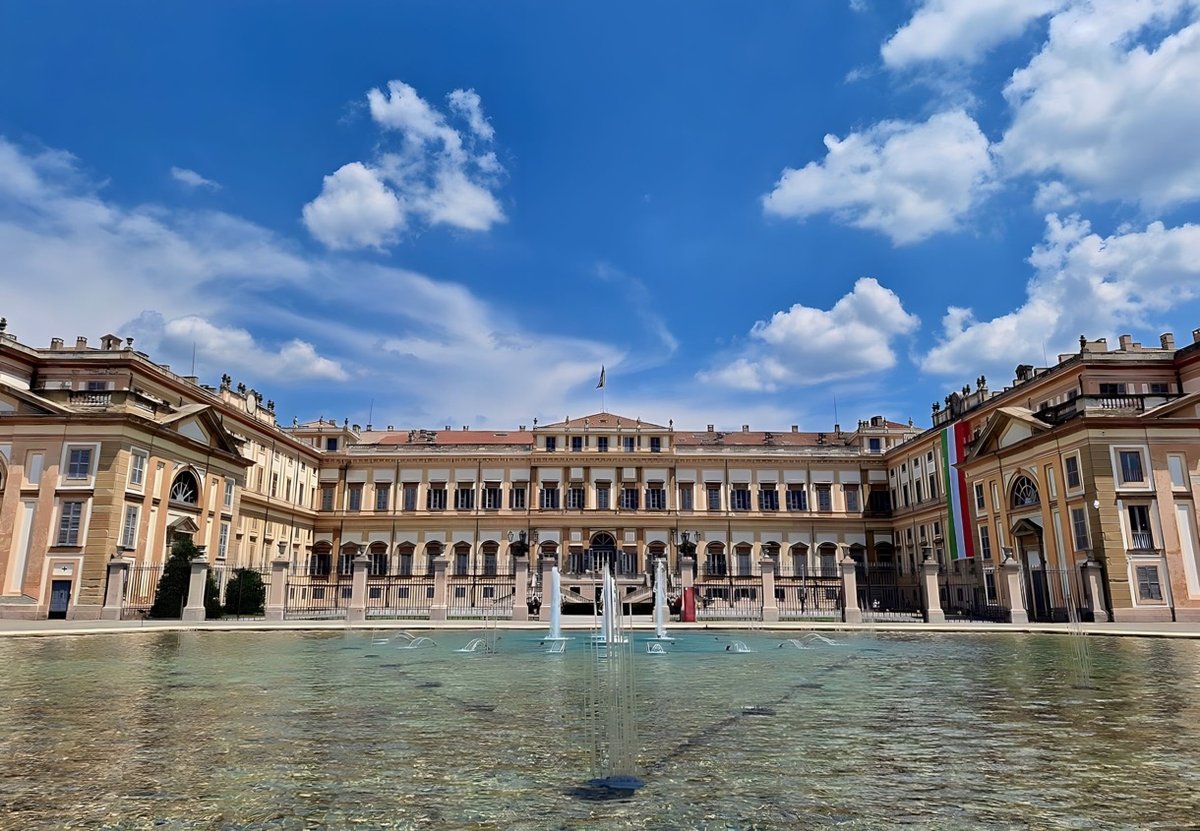

The Royal Villa in Monza was built between 1777 and 1780, commissioned by Empress Maria Theresa of Austria to be the summer residence for the Archduke Ferdinand of Austria, governor of the Duchy of Milan. Designed by Giuseppe Piermarini, the villa sits on the banks of the Lambro river and is surrounded by the large Monza Park, one of the largest enclosed parks in Europe. The Archduke ordered many additions to the complex, also by Piermarini, and used the villa as his country residence until the arrival of the French army in 1796.
Following the establishment of the Napoleonic Kingdom of Italy, the building became the residence of the viceroy, Eugène de Beauharnais. The new Viceroy commissioned the architect Luigi Canonica to improve the structure, which included the construction of a theatre on the north wing. Between 1806 and 1808, the complex and its gardens were extended in size, including the construction of a 14 km long wall using the demolition material of the ancient Visconti castle.
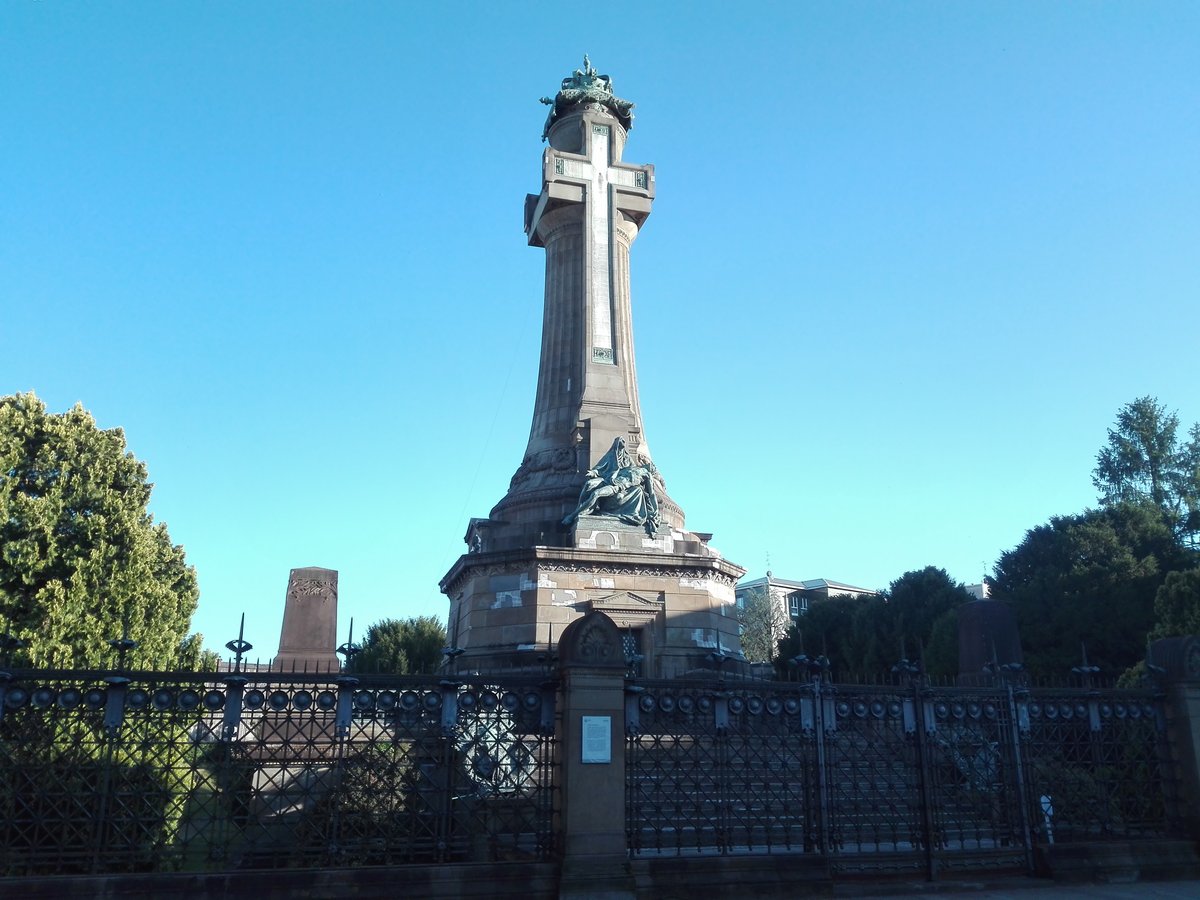
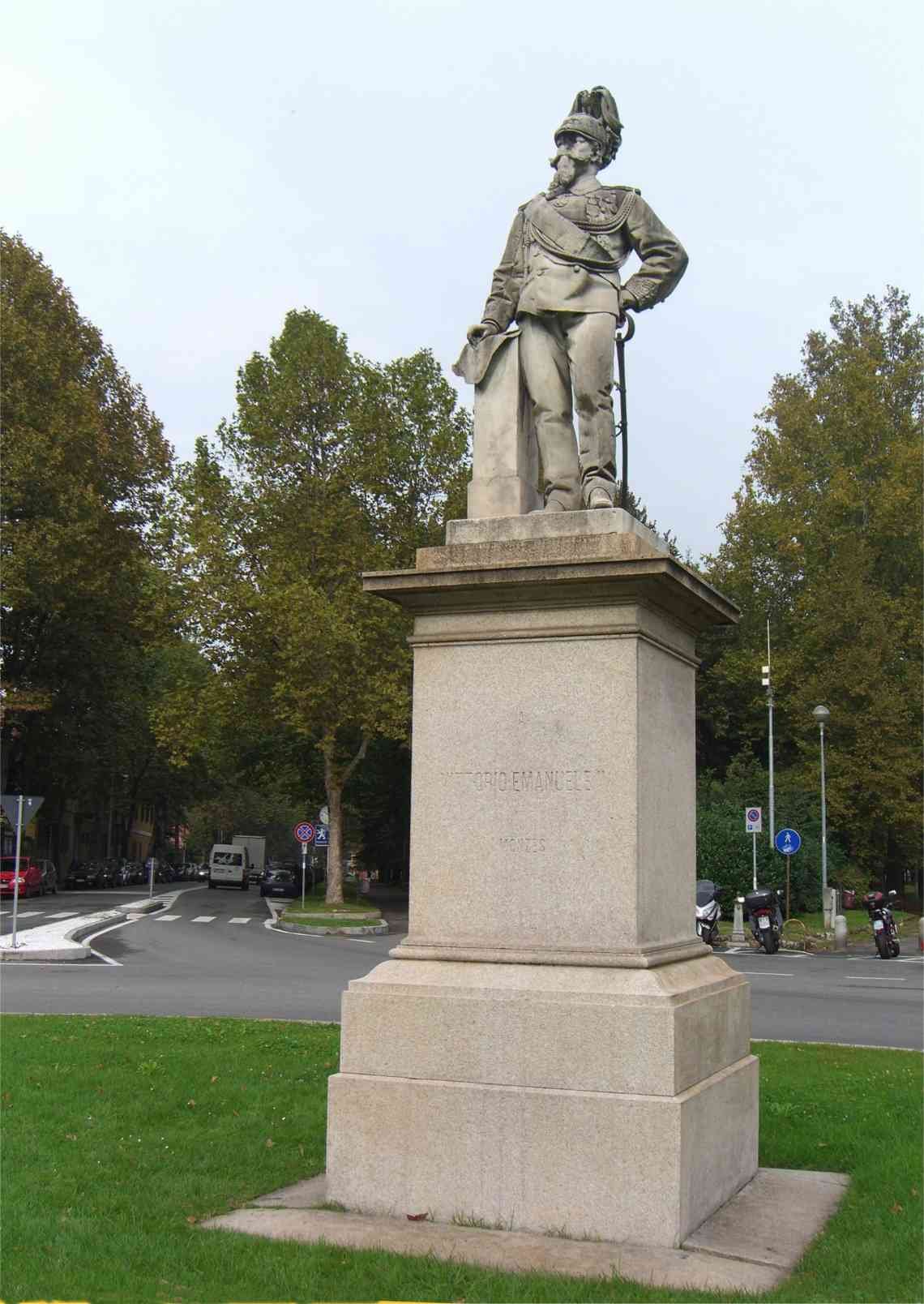
In 1861, the building became a palace of the Italian Royal House of Savoy. It was used by the royal couple after Victor Emmanuel II donated the villa to his son, Umberto I. However, the Royal Villa was abandoned by the royal family in 1900 following the murder of King Umberto I in Monza by the anarchist Gaetano Bresci. Nowadays, the villa hosts exhibitions, and a wing also hosts the Artistic High School of Monza.
Sources: Wikipedia, OpenStreetMap, Wikidata, Wikimedia Commons
Written by Nicolo Ciampini
Discuss this with the author and others
No comments yet. Be the first to start the conversation.