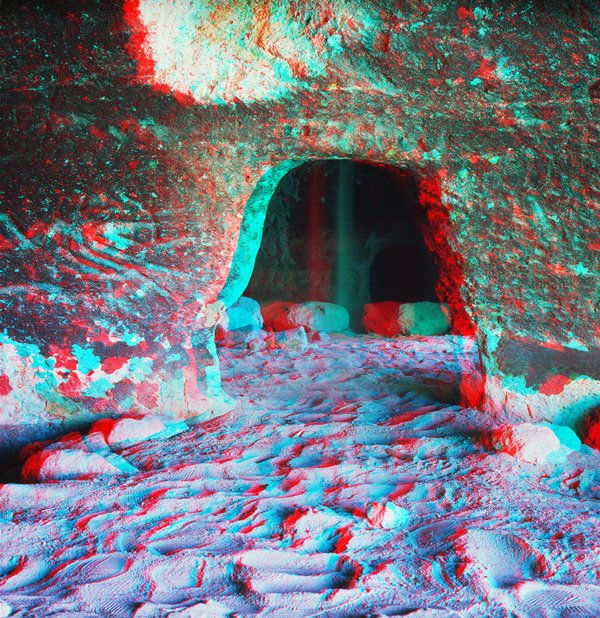

Tsankawi, more fondly recognized as Sä̧́kʼewikwʼáyeh Ówîngeh Kayyee, is a fascinating vestige of the Ancestral Puebloan civilization. Hiding just north of the intersection of East Jemez Road and ol' State Road 4, this off-beat piece of Bandelier National Monument has miraculously escaped modern touch in many places. Established and inhabited around the 15th century, Tsankawi once housed the Ancestral Puebloans until the late 16th century. The layout of the town centered around a plaza, featuring structures that soared two or three stories tall, with rooms ringing this central sphere.
The folks of Tsankawi were agrarian at heart, depending on native flora like piñon pine, juniper, rabbitbrush, saltbush, mountain mahogany, yucca, corn, beans, and squash to keep their lives rolling. Over the years, communities became fewer yet larger, and Tsankawi emerged as one of the more sprawling settlements. The original residents likely moved in during the late 12th century, with modern Tewa Pueblos, such as San Ildefonso Pueblo, Santa Clara Pueblo, Pojoaque Pueblo, and Tesuque Pueblo, claiming their ancestors hail from Tsankawi and other nearby sites.
The people spoke Tewa, while those living in the main stretch of Bandelier chatted in Keres. Even though they had different dialects, their religious beliefs, daily customs, and mindsets seemed woven together. The paths through Tsankawi still exhibit the worn trails of ancestors who dashed across mesa tops and sauntered down to the verdant canyons below. The 1.5-mile self-guided loop trail offers glimpses into this bygone era, connecting nearby Pueblos and showcasing picturesque talus pueblos.
Sources: Wikipedia, OpenStreetMap, Wikidata, Wikimedia Commons
Written by Friendly Jane
Discuss this with the author and others
No comments yet. Be the first to start the conversation.