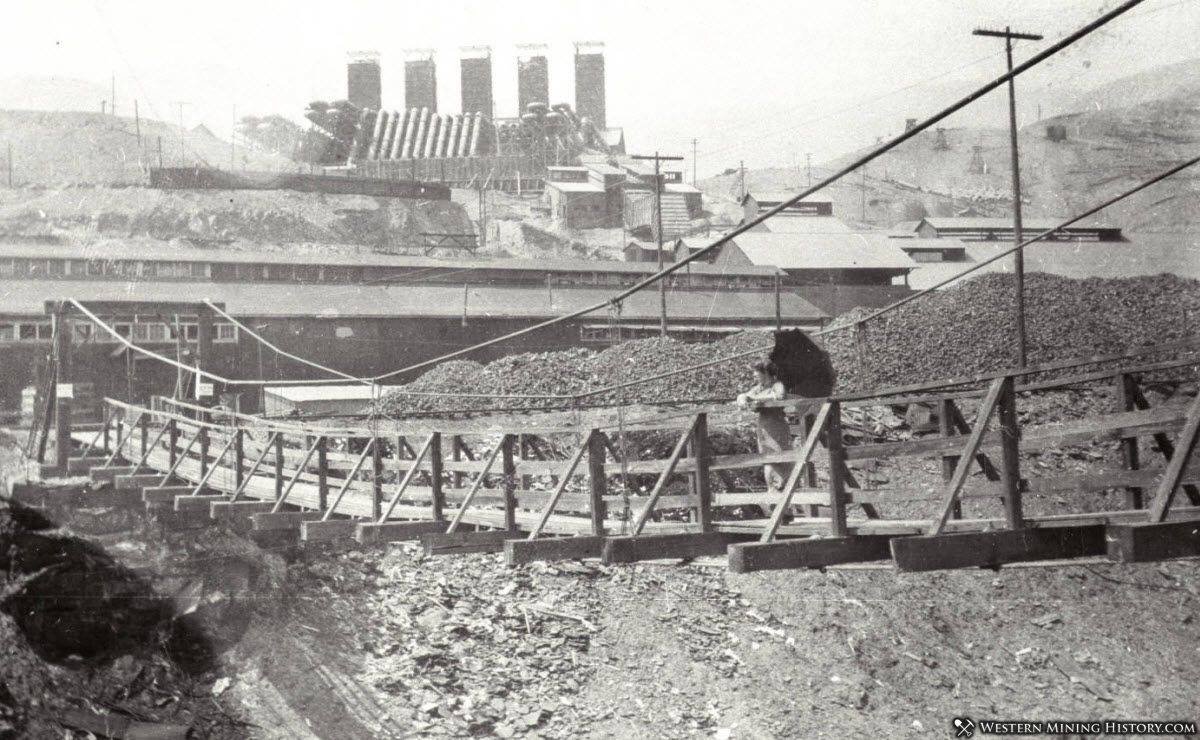
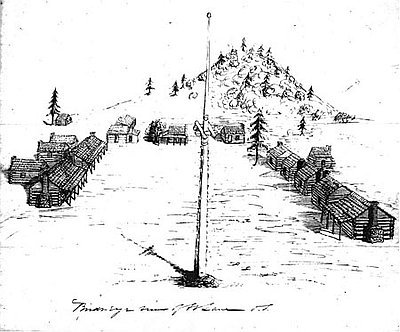
Before the Euro-Americans arrived, the land around Kennett was home to nine major groups of Wintu, living in approximately 250 villages. The Wintu name for the Kennett site was Munuktsiraw. They first came into contact with Europeans in the early 19th century. In 1852, the first recorded mention of the Kennett site appeared in an article from the Daily Alta California, announcing that gold had been discovered in Backbone Creek. After the Wintoon War of 1858-59, almost all Wintu were either dead or forced onto reservations.
Pearson Reading, an Anglo-American, was the first to mark the area, receiving a land grant from the Mexican government in 1843. Railroad construction contributed to Kennett's growth as Colonel James Scobie established a railroad camp nearby. Businesses bloomed to cater to the railroad workers, and when the railroad was complete, it became the most important factor in Kennett's growth.
Charley Golinsky, a 24-year-old store owner, arrived in 1884 and made his store the town's heart, serving as the post office. The primary economy was copper mining, with the Mammoth and Golinsky mines boasting extremely pure ore and bringing wealth to the town. However, the end of World War I contributed to an economic depression for the town. The largest mine in Kennett, the Mammoth mine, closed permanently in 1923, devastating the local economy.
Sources: Wikipedia, OpenStreetMap, Wikidata, Wikimedia Commons
Written by Leroy
Discuss this with the author and others
No comments yet. Be the first to start the conversation.