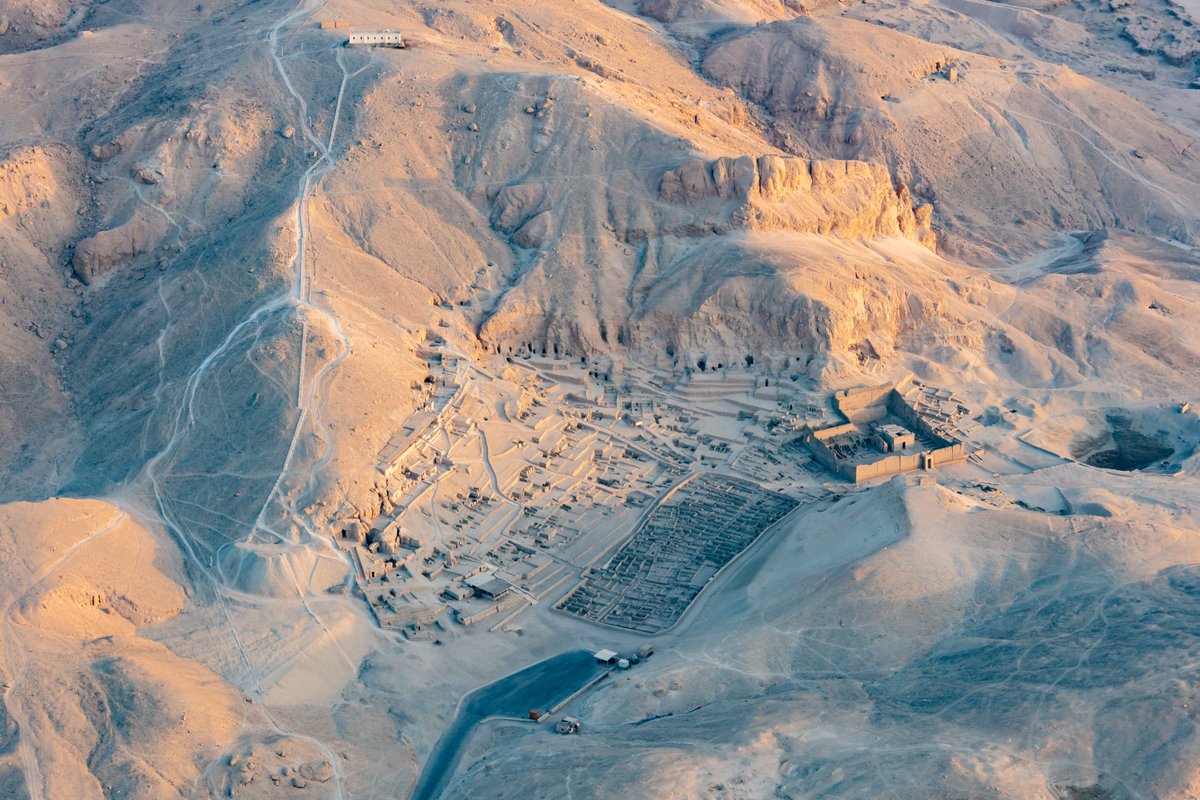

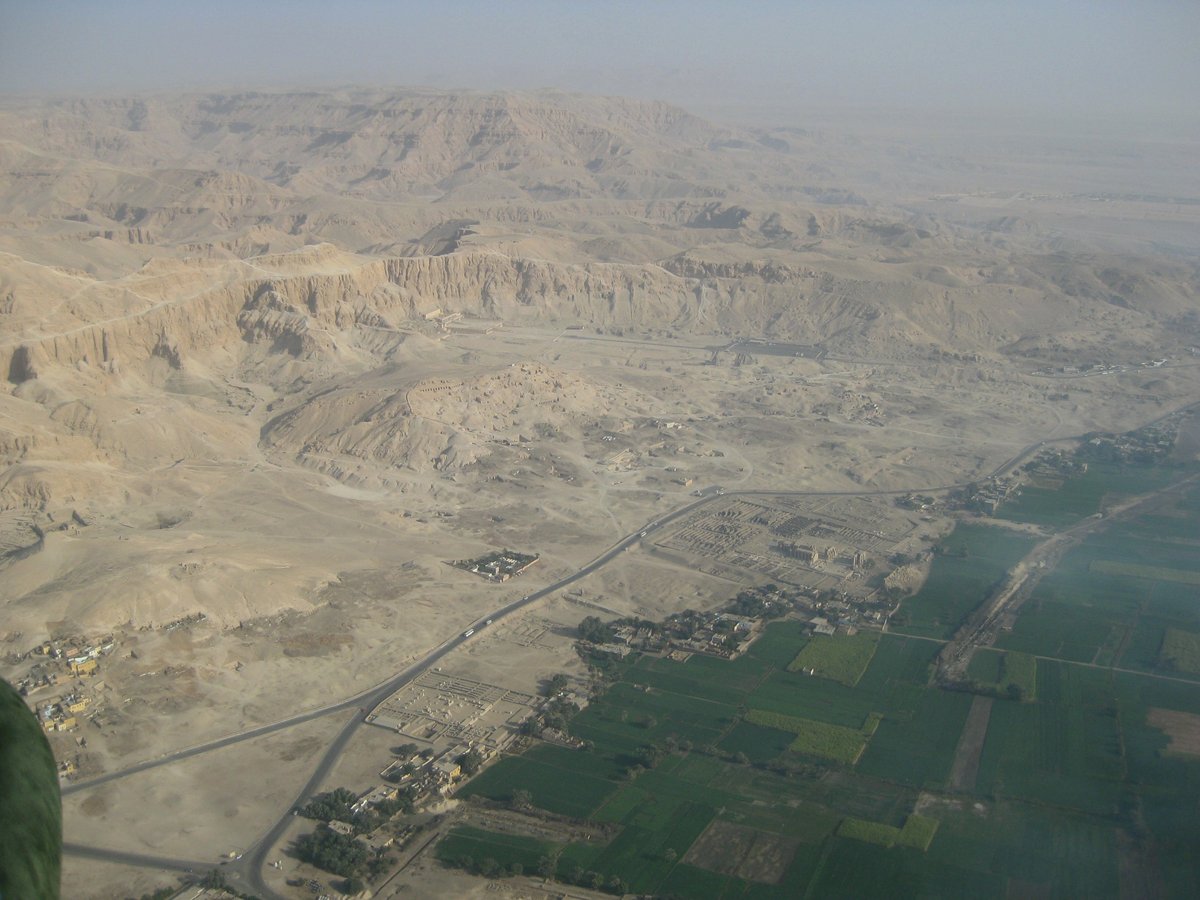
On the west bank of the Nile, across the river from modern-day Luxor, lies the village of Set maat, the Place of Truth. This was the home of the artisans who worked on the tombs in the Valley of the Kings during the 18th to 20th Dynasties of the New Kingdom of Egypt. The workmen who lived there were known as the Servants in the Place of Truth. The settlement may have been built apart from the wider population in order to preserve secrecy in view of the sensitive nature of the work carried out in the tombs.
The village was laid out in a small natural amphitheatre, featuring a narrow road running the length of the settlement that may have been covered to shelter villagers from the sun. The artisans raised walls of mudbrick upon foundations of stone and applied mud to the walls, which were then painted white on the external surfaces. At its peak, the community contained around 68 houses spread over an area of 5,600 m2.
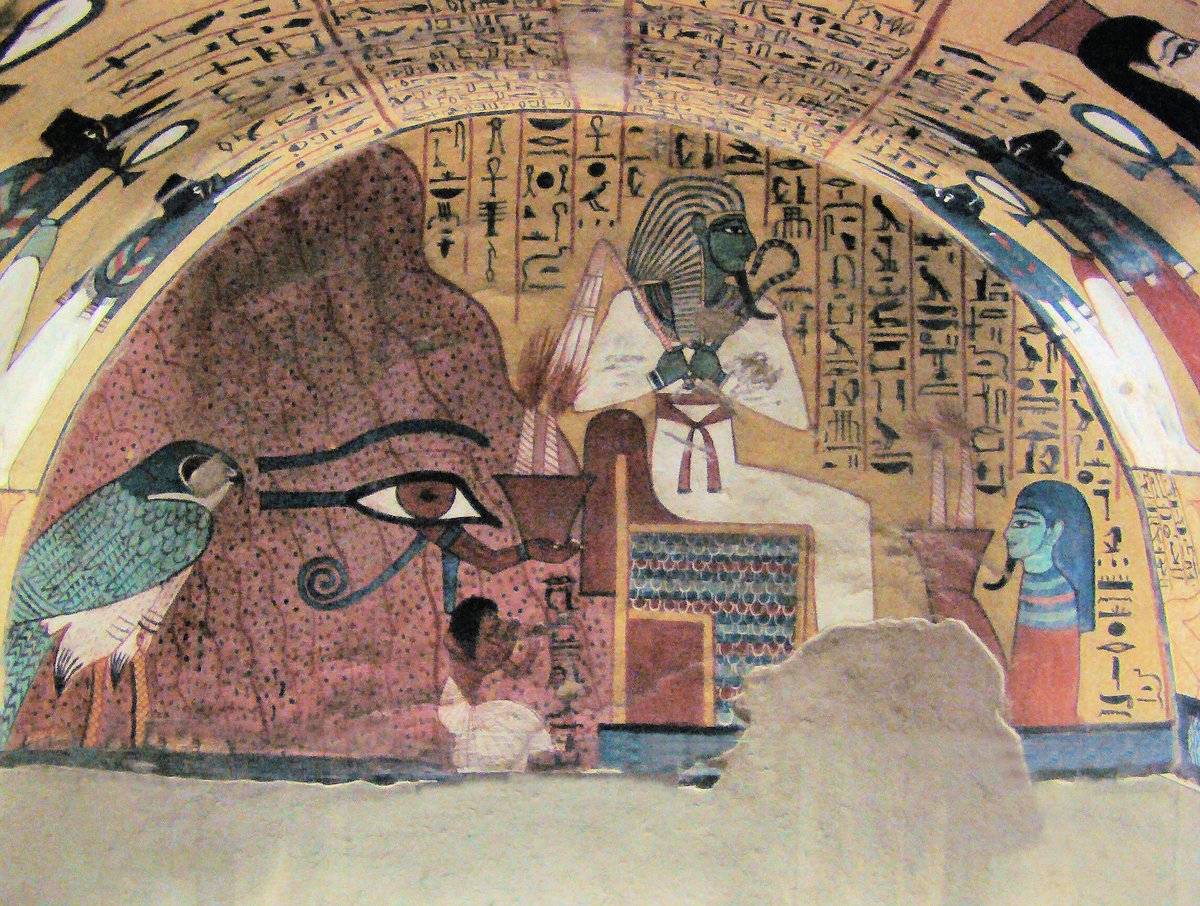
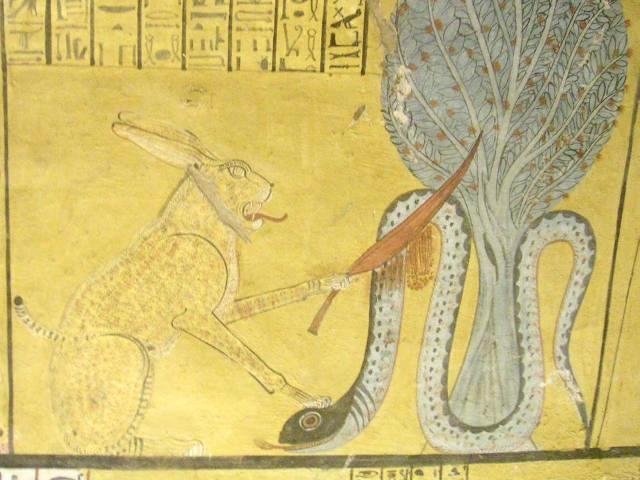
While the world's press concentrated on the discovery of the Tomb of Tutankhamun in 1922, teams began to excavate this site. This work has resulted in one of the most thoroughly documented accounts of community life in the ancient world. Large amounts of ostraca were uncovered, including around 5,000 of assorted works of commerce and literature. One researcher was able to name and describe the lives of many of the inhabitants who lived there.
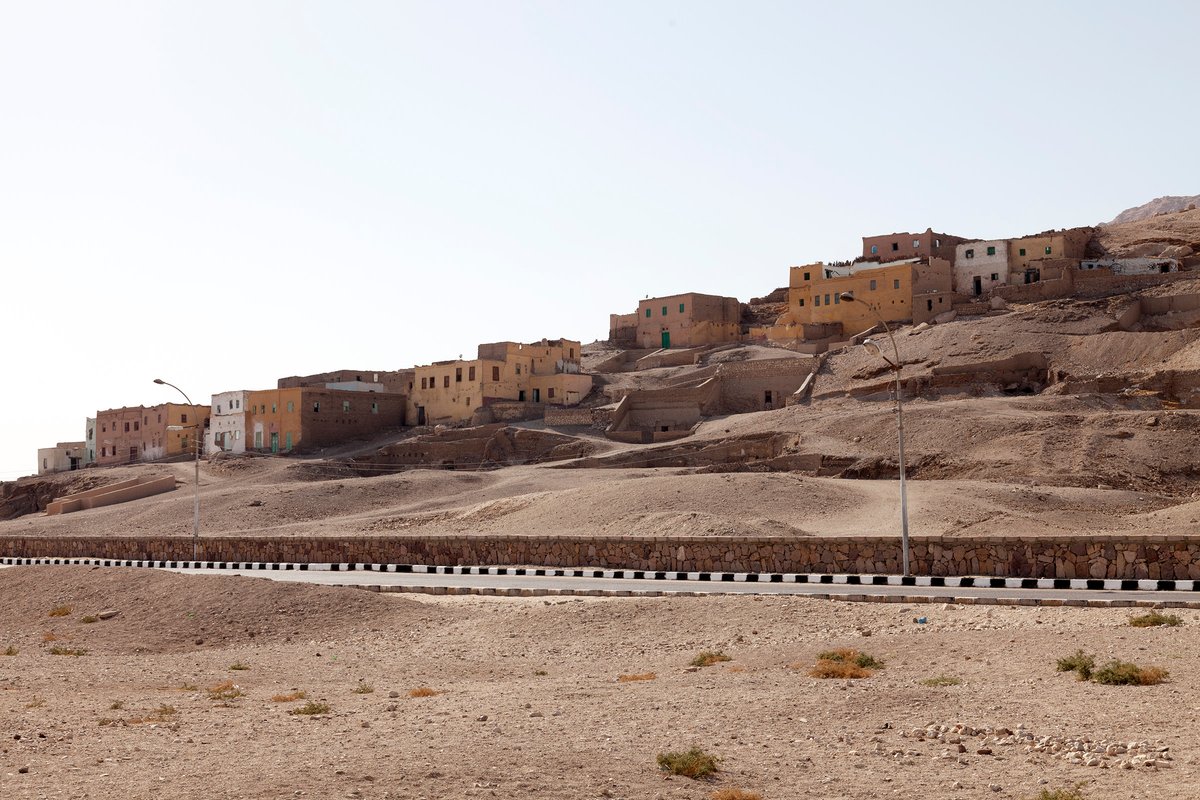
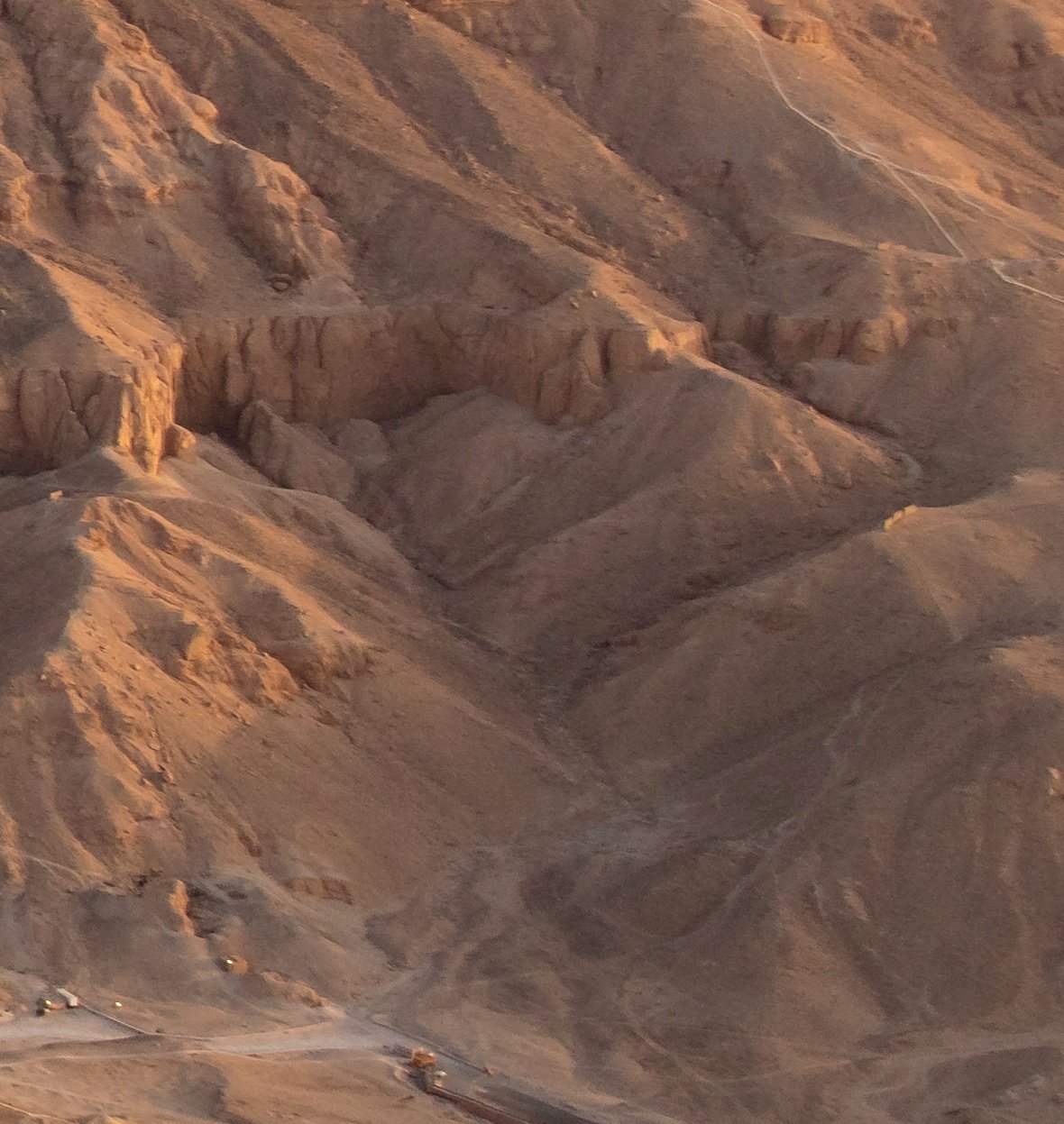
Now, the village rests as a UNESCO World Heritage Site. It is located within easy walking distance of the Valley of the Kings to the north, funerary temples to the east and south-east, and the Valley of the Queens to the west. The peak overlooking the village is called Mont Cernabru, a name given in recognition of the work done by the scholars who studied the site's inhabitants.
Sources: Wikipedia, OpenStreetMap, Wikidata, Wikimedia Commons
Written by Mutabor
Discuss this with the author and others
No comments yet. Be the first to start the conversation.