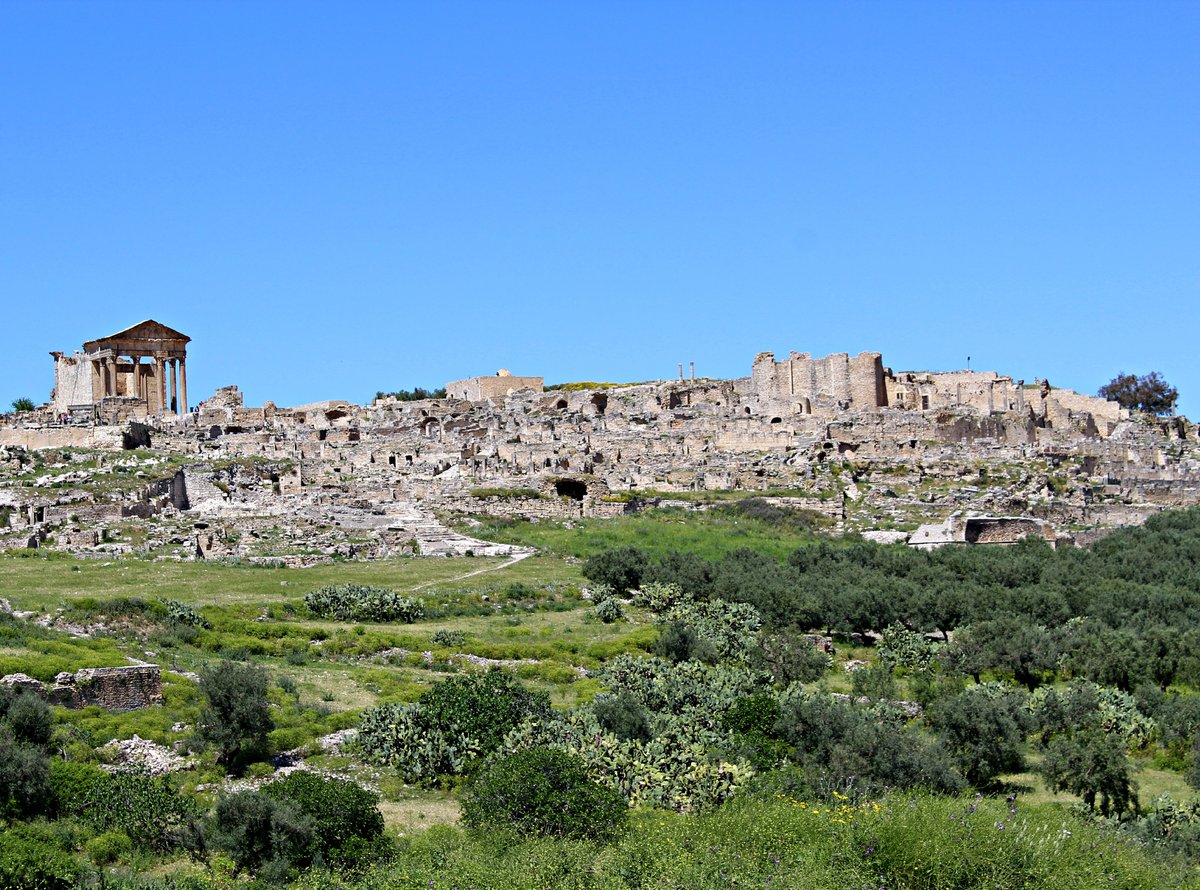

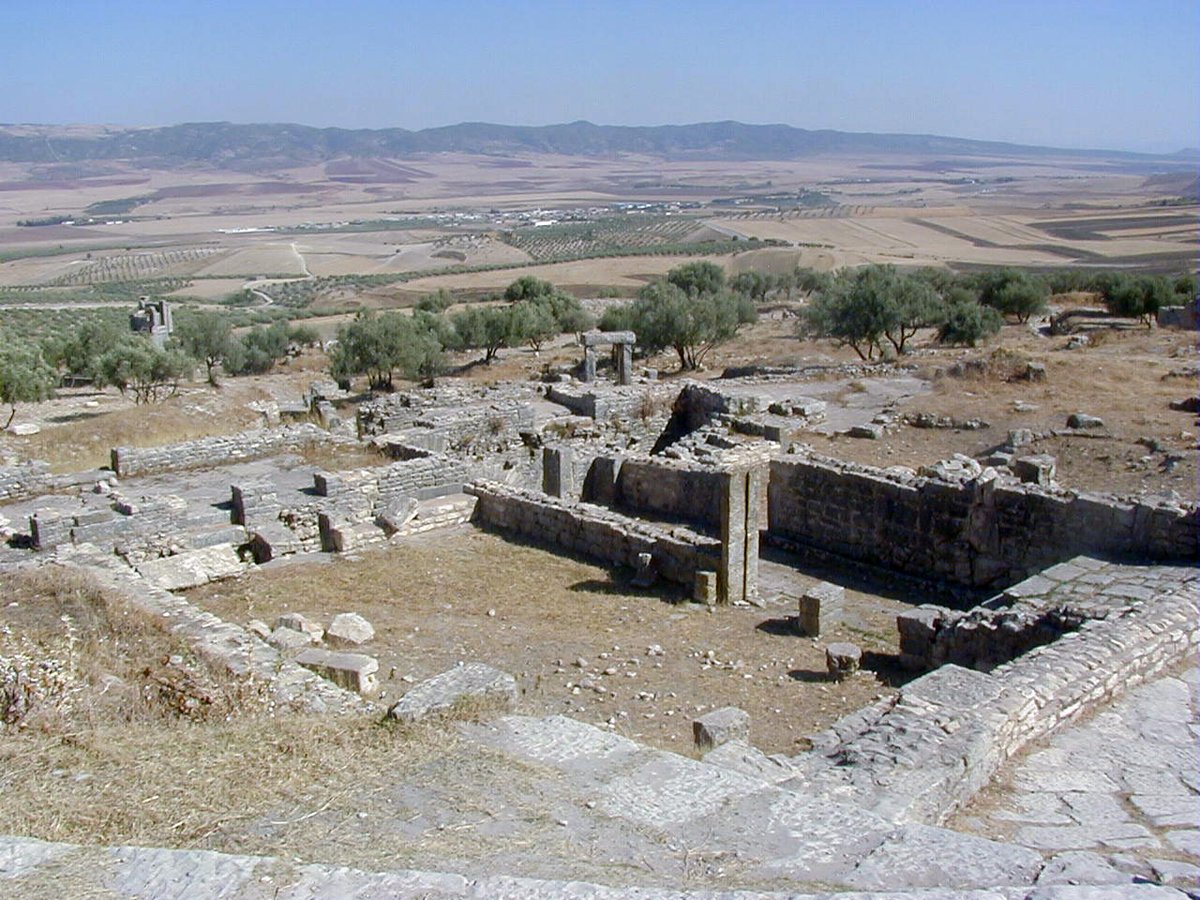
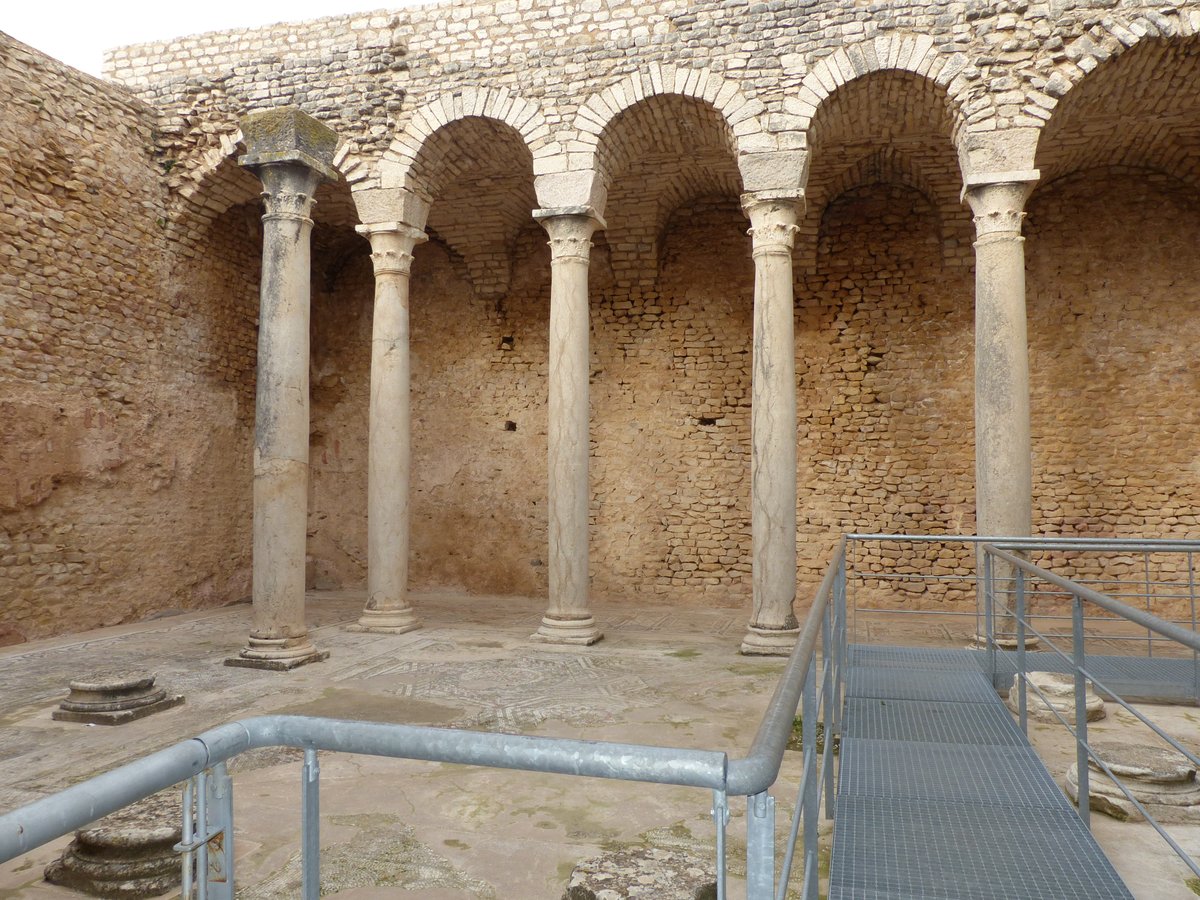
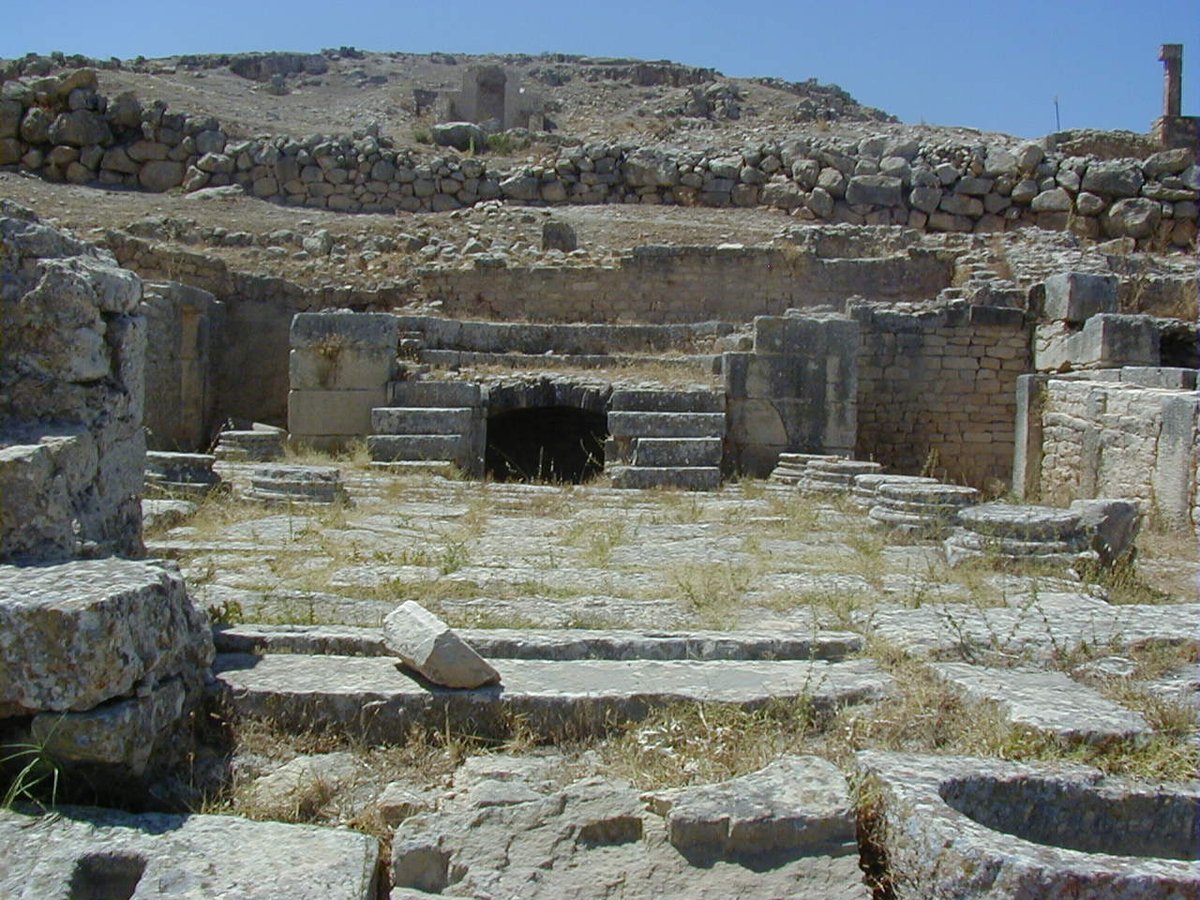
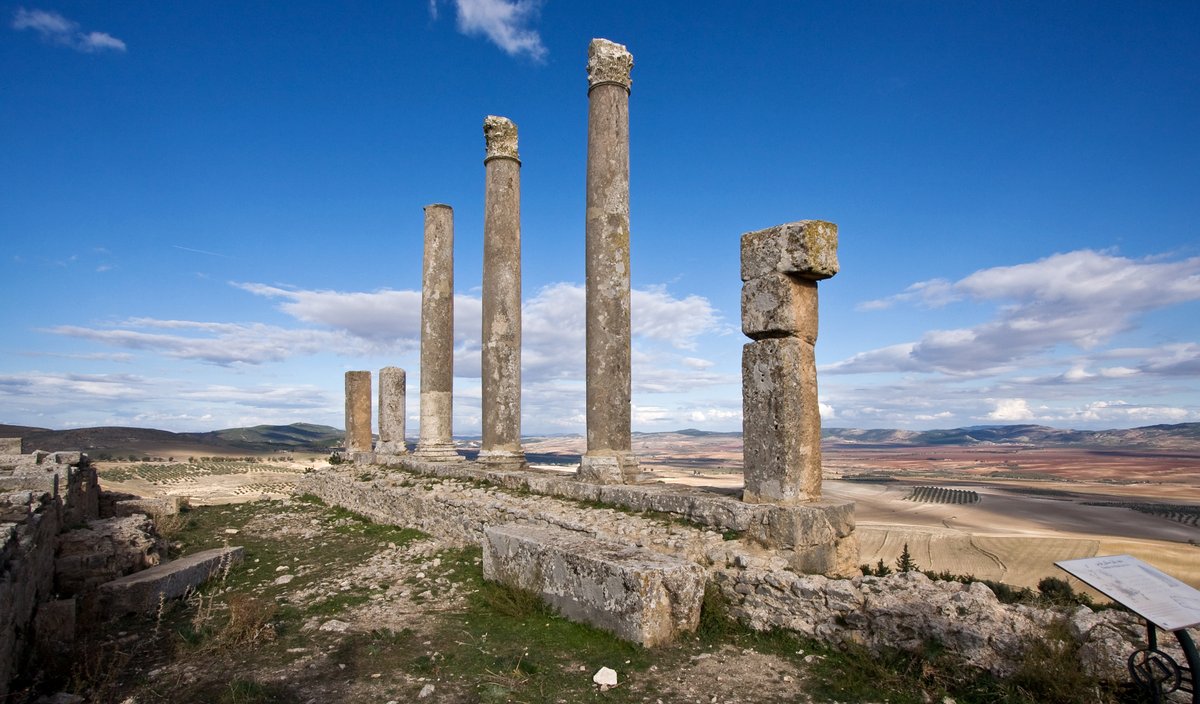
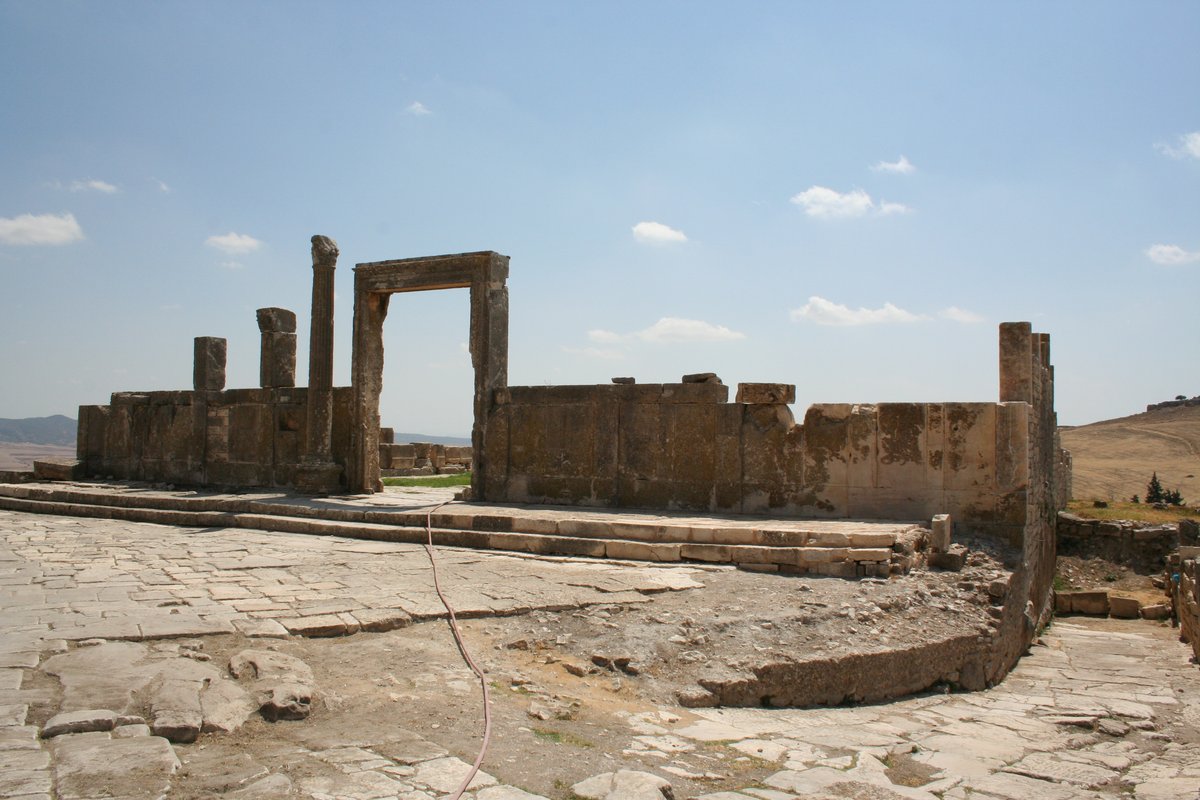
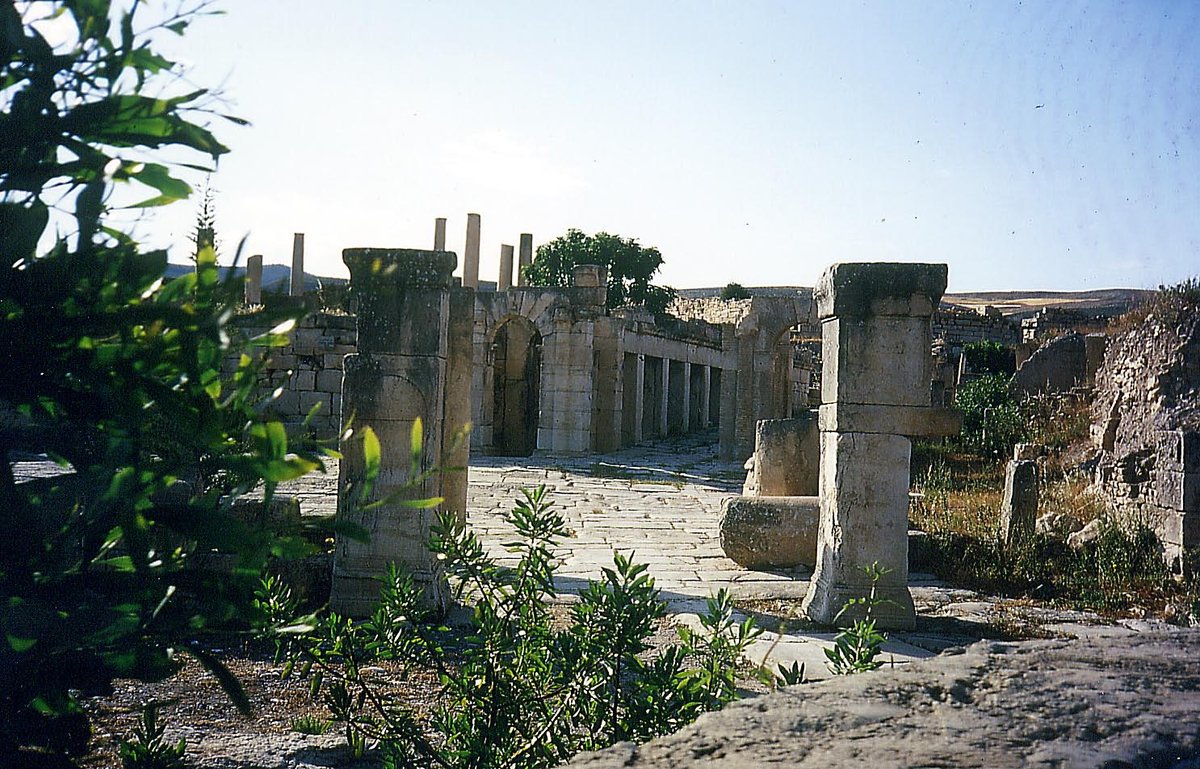
In the countryside of northern Tunisia, the archaeological site of Dougga stands as an exceptional example of a settlement with a rich Numidian-Berber, Punic, ancient Roman, and Byzantine history. UNESCO qualified Dougga as a World Heritage Site in 1997, believing it represents the best-preserved Roman small town in North Africa. The site has been protected from modern urbanization, preserving its size and many of its monuments.
The site's history dates back to early human settlement, evidenced by a necropolis with dolmens and a sanctuary dedicated to Ba'al Hammon. Its Numidian name was recorded in the Libyco-Berber alphabet as TBGG, while the Punic name is recorded as tbgg or tbgʿg, meaning "in the roof terrace." This name likely reflects the site's position atop an easily defensible plateau. After the Roman conquest, the city was formally refounded as Municipium Septimium Aurelium Liberum Thugga, and later as Colonia Licinia Septimia Aurelia Alexandriana Thuggensis.
During the period of the Roman colony of Carthage, a community (pagus) of Roman colonists arose alongside the existing settlement. For two centuries, the site was governed by two civic and institutional bodies: the city with its peregrini and the pagus with its Roman citizens. Over time, the two communities were brought closer together through geographic proximity and institutional arrangements. During the reign of Marcus Aurelius, the city was granted Roman law, and the magistrates automatically received Roman citizenship.
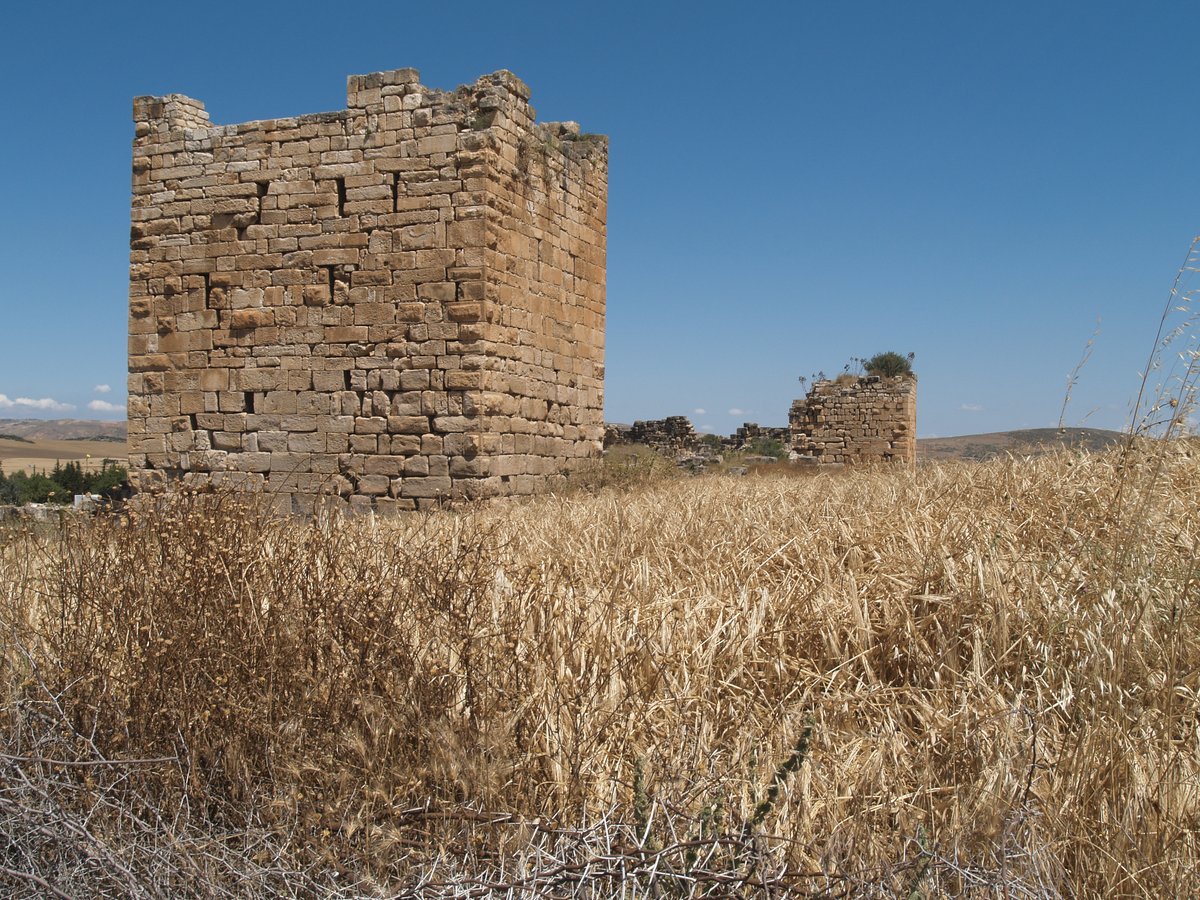
Today, the current archaeological site covers 75 hectares and features several famous monuments. These include a Libyco-Punic Mausoleum, the Capitol, the Roman theatre, and the temples of Saturn and of Juno Caelestis. Recent finds have revealed that the city's fortifications were actually erected in late antiquity rather than during the Numidian period. In 1991, the site was established as a national archaeological park to promote the study of its pagan temples and inscriptions.
Sources: Wikipedia, OpenStreetMap, Wikidata, Wikimedia Commons
Written by Mutabor
Discuss this with the author and others
No comments yet. Be the first to start the conversation.