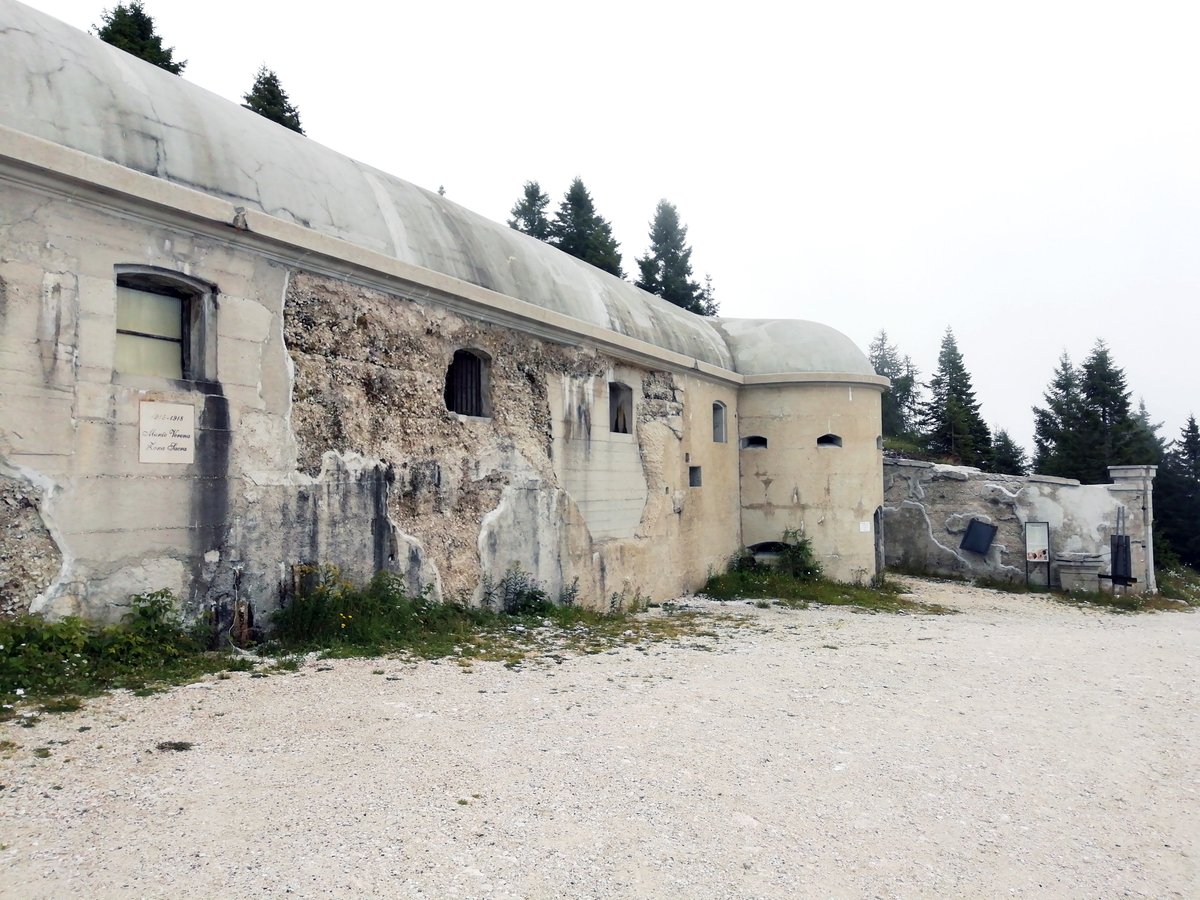

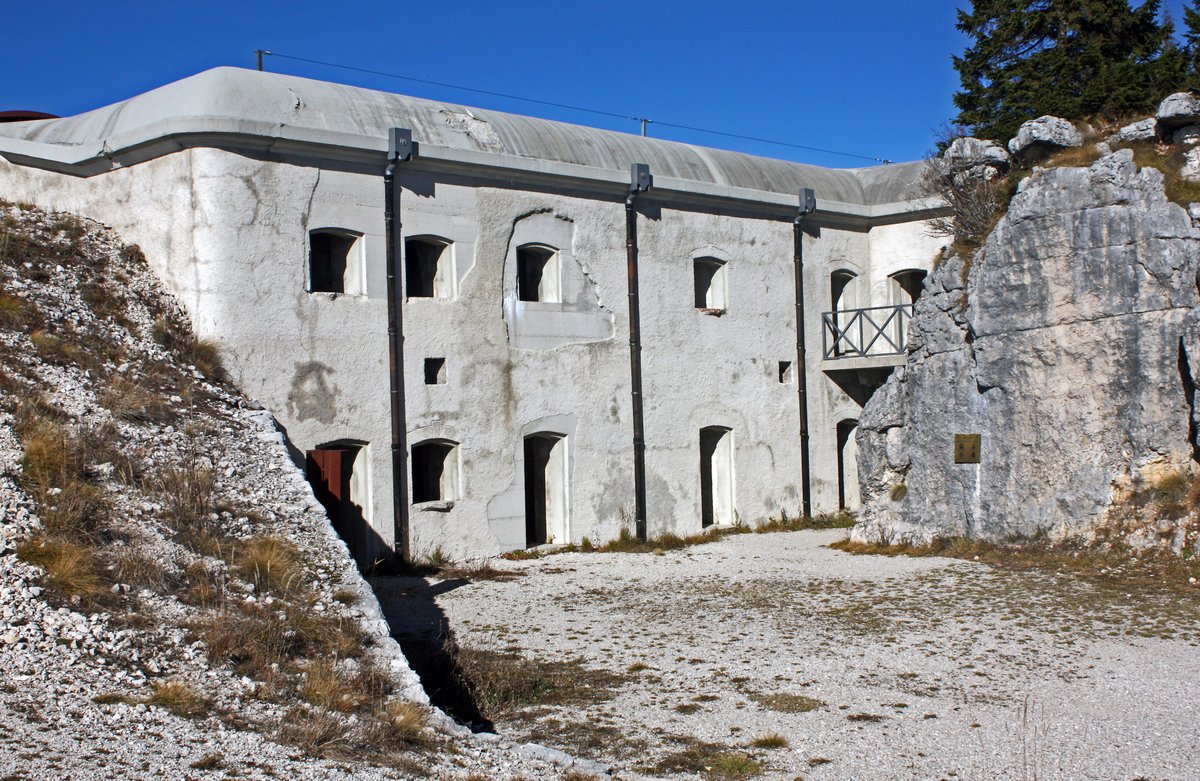
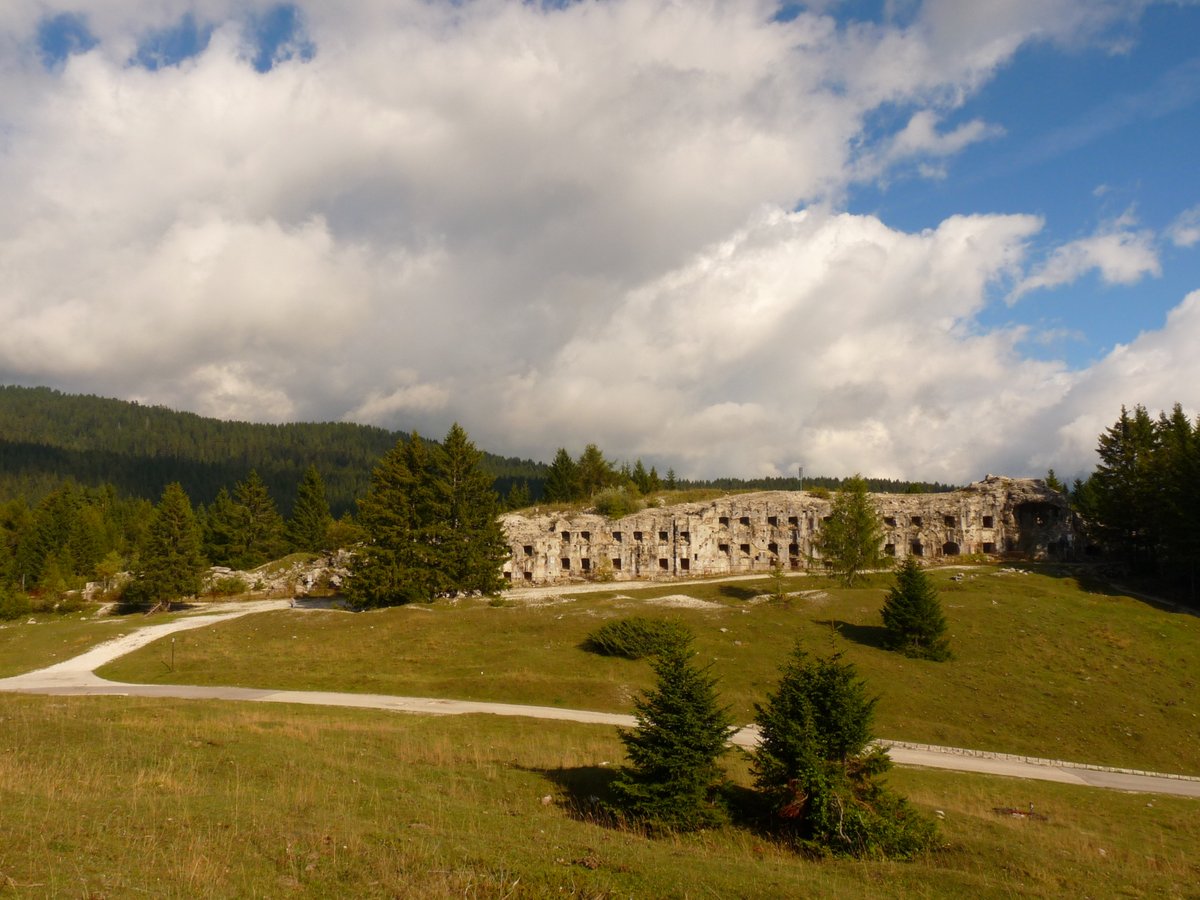
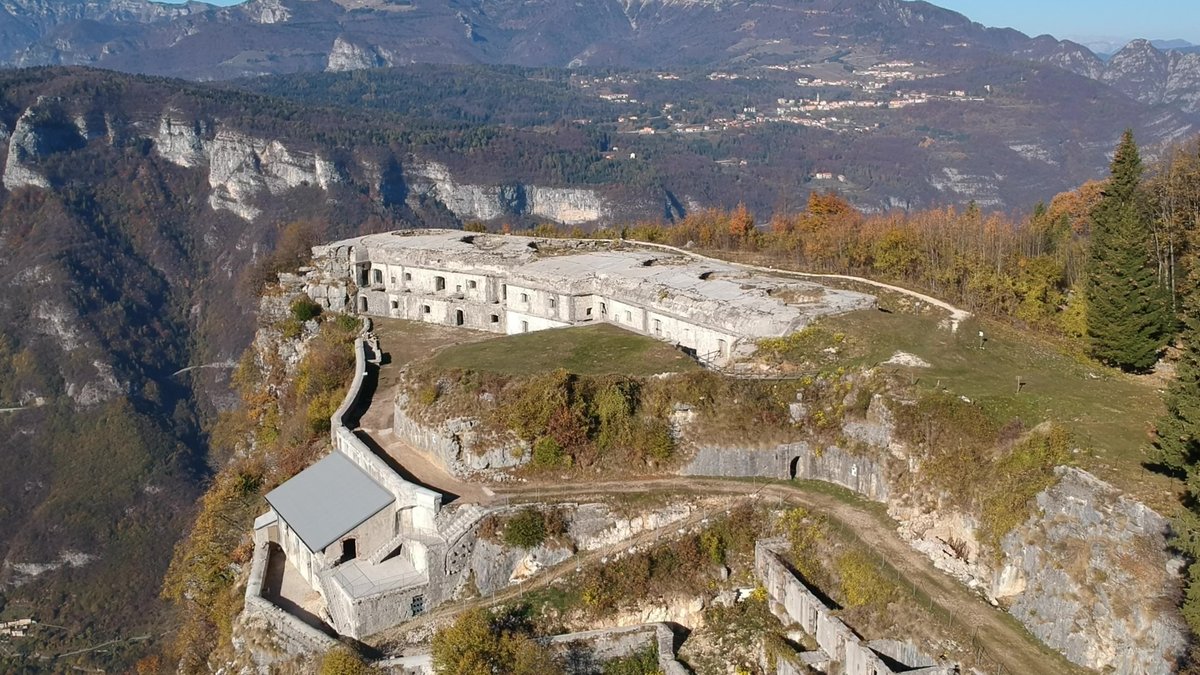
Located at an altitude of 2,015 metres in the municipal territory of Roana, Forte Verena was an Italian fortress built between 1910 and 1914. It was designed to defend the border with the Austro-Hungarian Empire, overlooking the steep cliffs of the Val d'Assa. While the structure appeared to be a strong, well-defended fortress, it was built in a very short time using poor materials, including iron from wheelbarrows and cutlery to reinforce the cement.
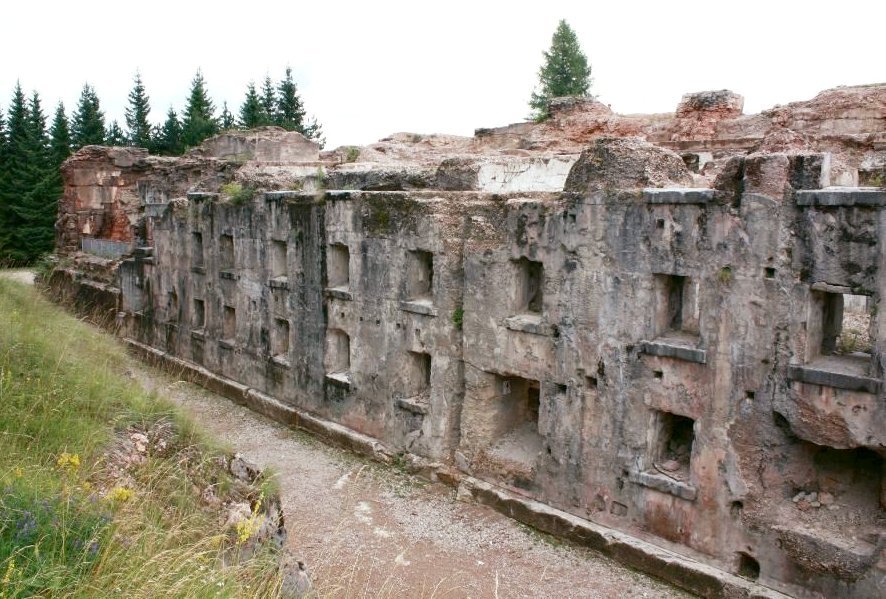
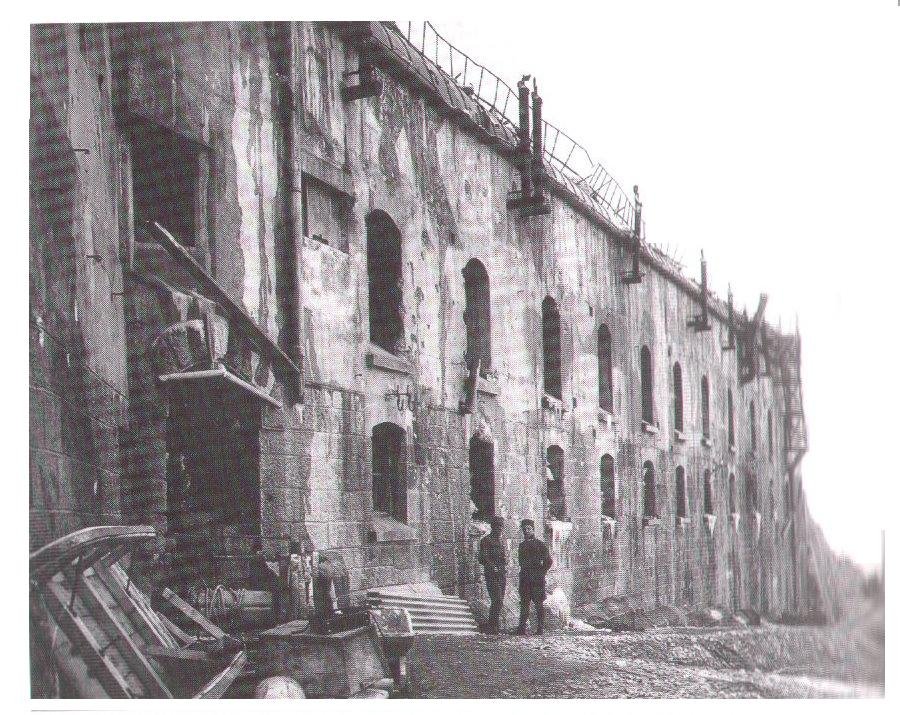
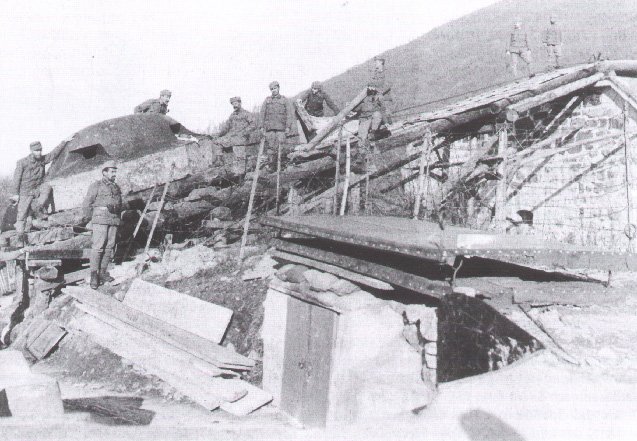
At 3:55 AM on May 24, 1915, the first two cannon shots were fired from Forte Verena by Italian forces, marking the entry of the Italian Royal Army into the war. However, on June 12, 1915, the fortress was hit by a 305 mm Skoda shell that penetrated the structure and exploded inside. This explosion killed Commander Umberto Trucchetti, two lieutenants, and 43 men. During the following days, several domes were destroyed and the casemates, barracks, and infirmary were devastated, leading the military to use the fortress only as an observation post.
On May 22, 1916, during the Spring Offensive, the position was captured by Austro-Hungarian troops, who held it for the rest of the war. The fortress had been designed with consideration for 100 mm howitzers, which were unable to effectively reach it, making it inadequate against the newer 305 mm mortars. Today, two plaques inside the fortress commemorate the event of June 12, 1915.
Sources: Wikipedia, OpenStreetMap, Wikidata, Wikimedia Commons
Written by Nicolo Ciampini
Discuss this with the author and others
No comments yet. Be the first to start the conversation.