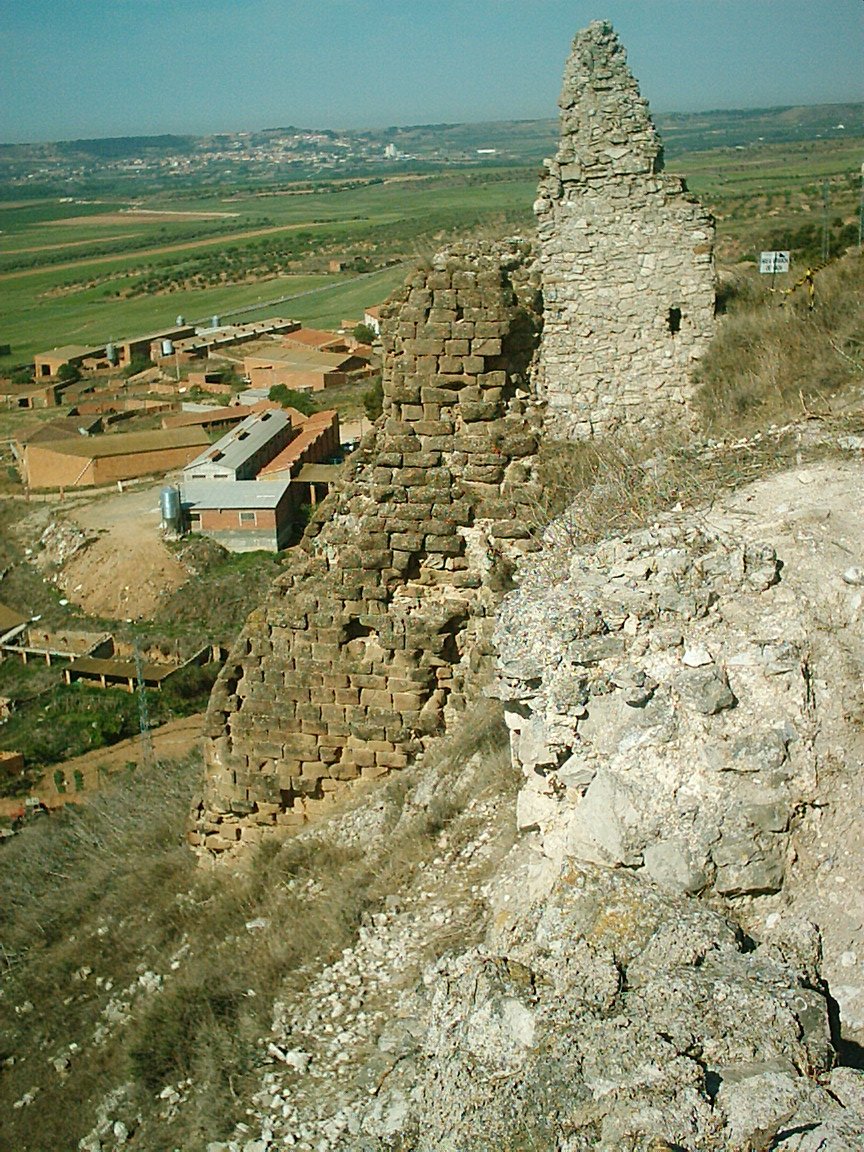

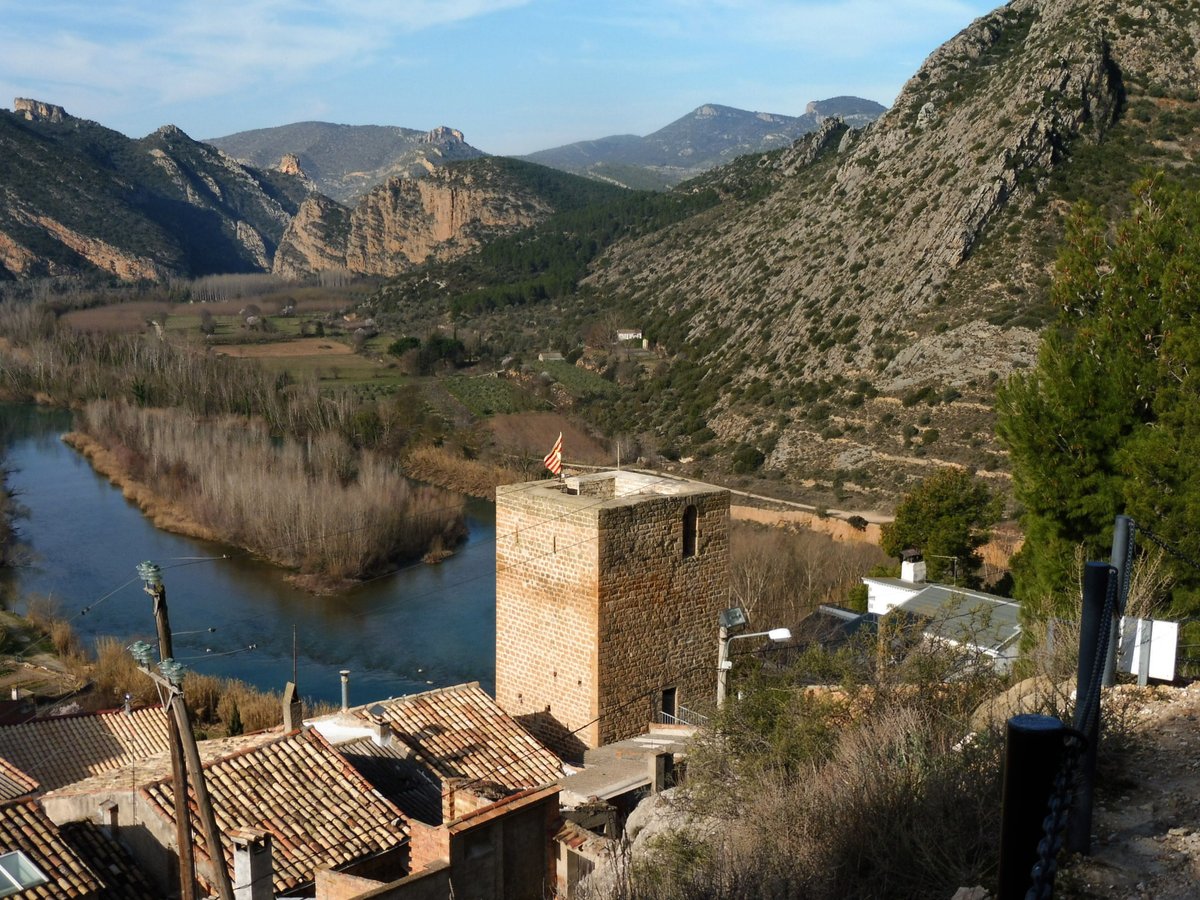
Situated atop a hill above the town of Algerri, at the border between the Serra Llarga mountains and the Segrià plain, the Castell d'Algerri is a cultural site of national interest. The date of its conquest from the Muslims is debated, with references suggesting 1115, 1116, or 1130. In 1132, Berenguer de Torroja held the fortress in pledge for the viscount of Àger. It was later passed to his son, and in 1158, Ramon Berenguer d'Àger gave it to his daughter Ermessenda.
The lordship of the castle, held by the counts of Urgell, eventually passed by marriage to the Cervera family. In 1541, the title of baron of Algerri was granted to Joan de Comallonga, who was the secretary of Carles V. A few years later, from 1546 to 1564, the lordship was acquired by Pere Boquers, the abbot of Poblet, and remained under that monastery's domain until the desamortització of the 19th century.
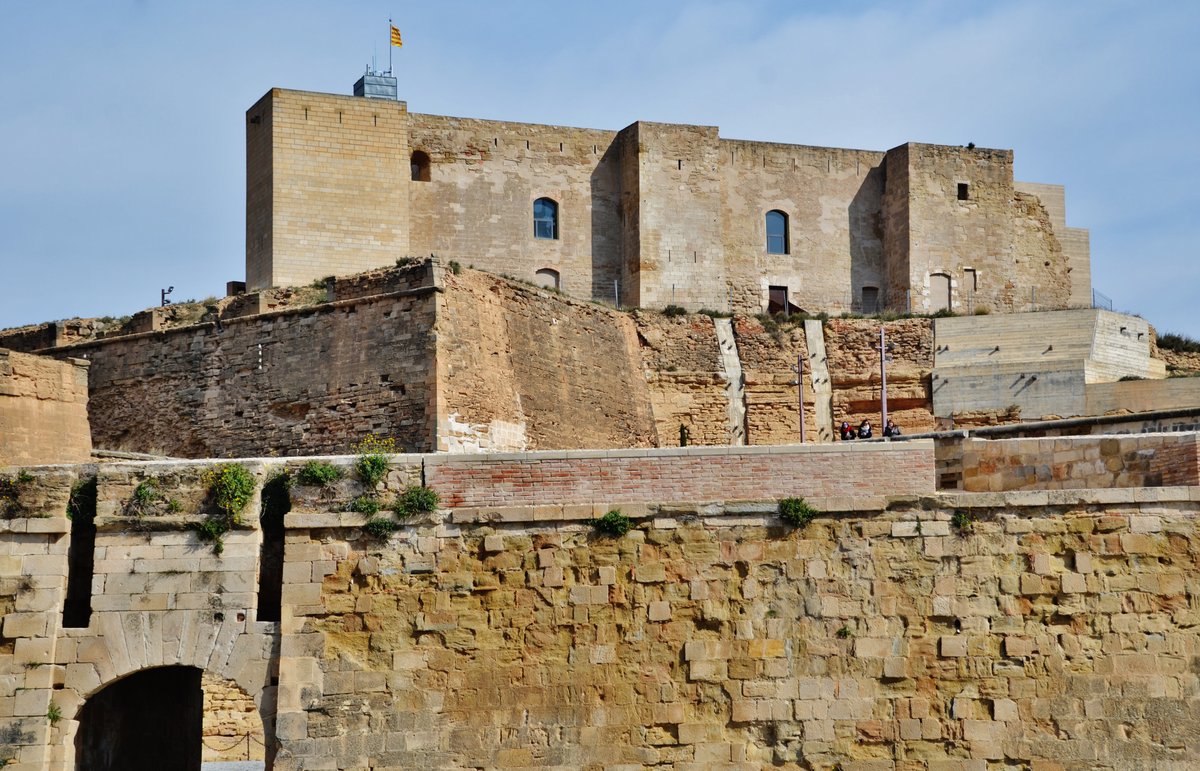
The ruins consist of a series of walls with varying thicknesses, a cistern, and a large yard occupying the upper planell. The wall facing north to south has a thickness of 180 cm and a current height of about 7 m. Due to a mixture of constructions from various eras, including some of Islamic origin such as walls made of stones set in mortar, dating the castle is difficult.
Sources: Wikipedia, OpenStreetMap, Wikidata, Wikimedia Commons
Written by Nik Frost
Discuss this with the author and others
No comments yet. Be the first to start the conversation.