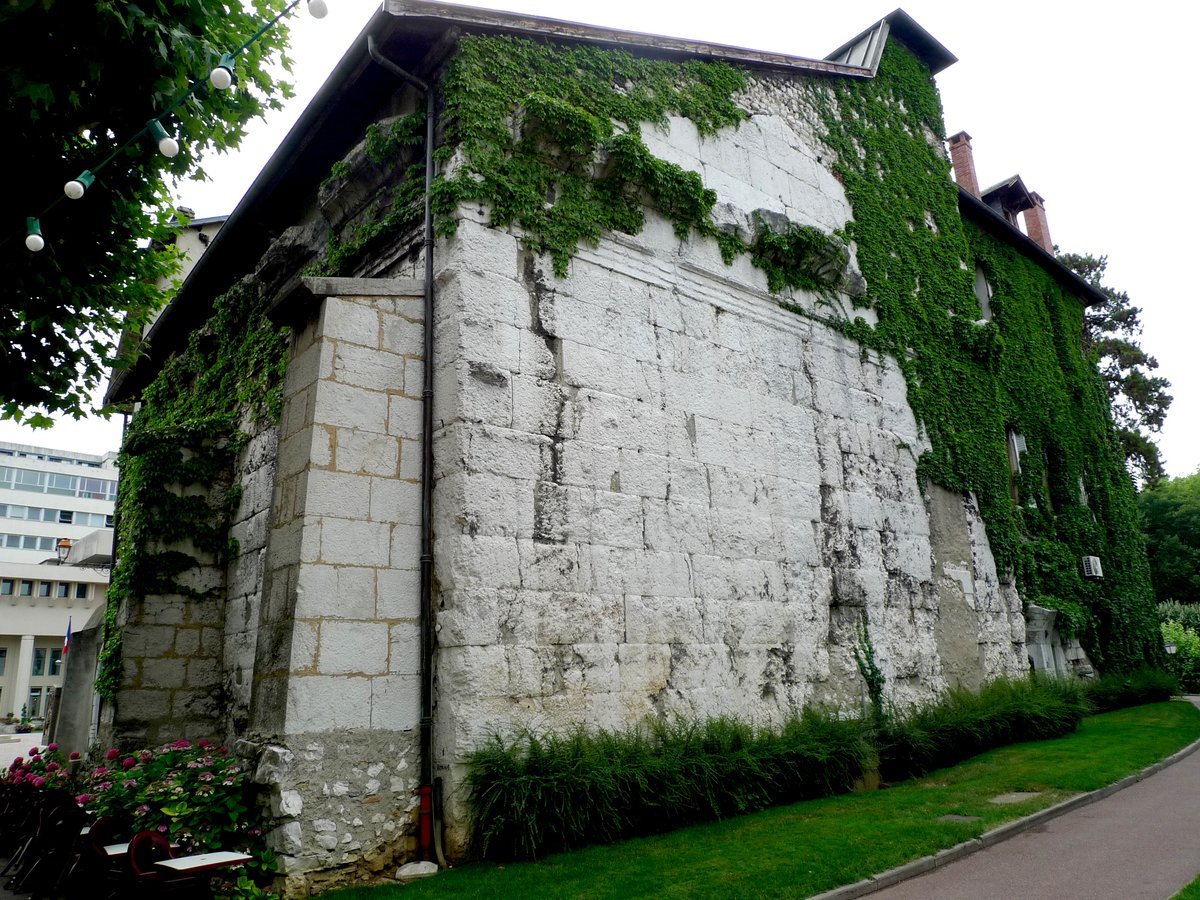

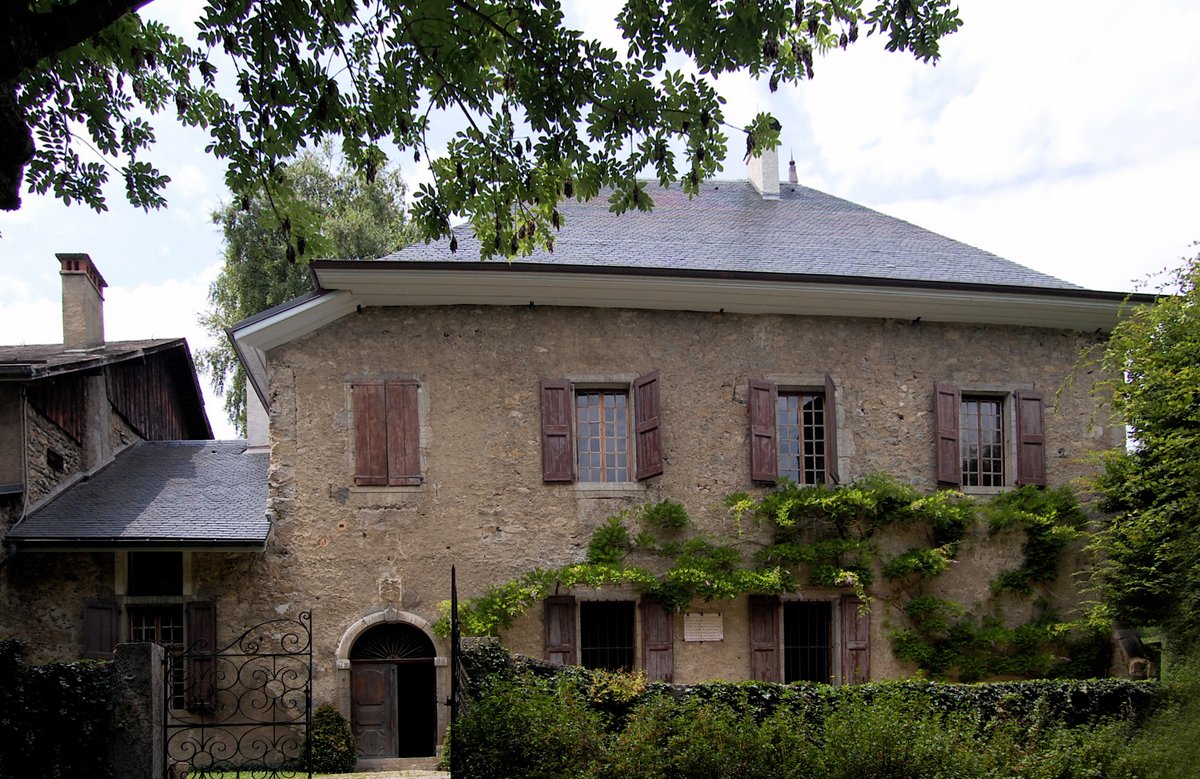
The Temple de Diane was built during the first half of the 2nd century and has survived through numerous structural changes. It was integrated into a feudal castle, where it served as a wine cellar while its stones were reused for the new construction. By 1824, the building became a theater, though it was abandoned in 1850. In 1868, the city purchased the site from the Seyssel family.
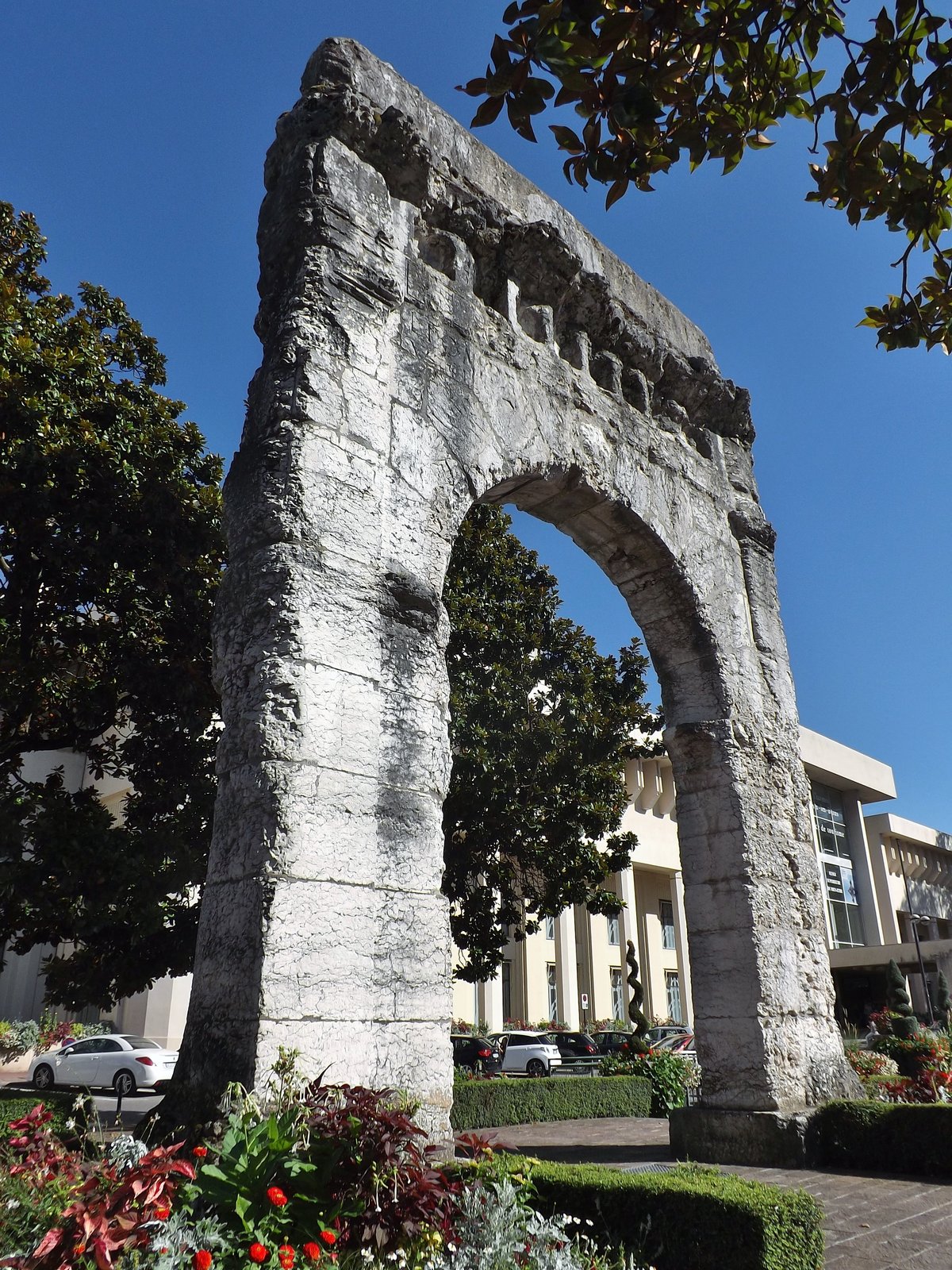
Historians now question the traditional identification of the site as a temple dedicated to a deity. Recent research suggests it may be a tomb-temple or a mausoleum-temple, forming a coherent funerary ensemble with the nearby Arc de Campanus. This interpretation follows a broader re-evaluation of the ancient settlement of Aquae, which is now viewed as a less structured rural area rather than a major urban center.
The site's topography supports this shift in understanding, featuring a drop of nearly ten meters between the temple podium and the ancient baths. While the wealthy families invested in the hot springs and surrounding monuments, the surrounding area remained a predominantly agricultural community. Today, three of the temple's exterior walls remain preserved and have housed the archaeological museum of Aix-les-Bains since 1948.
Sources: Wikipedia, OpenStreetMap, Wikidata, Wikimedia Commons
Written by Nicolo Ciampini
Discuss this with the author and others
No comments yet. Be the first to start the conversation.