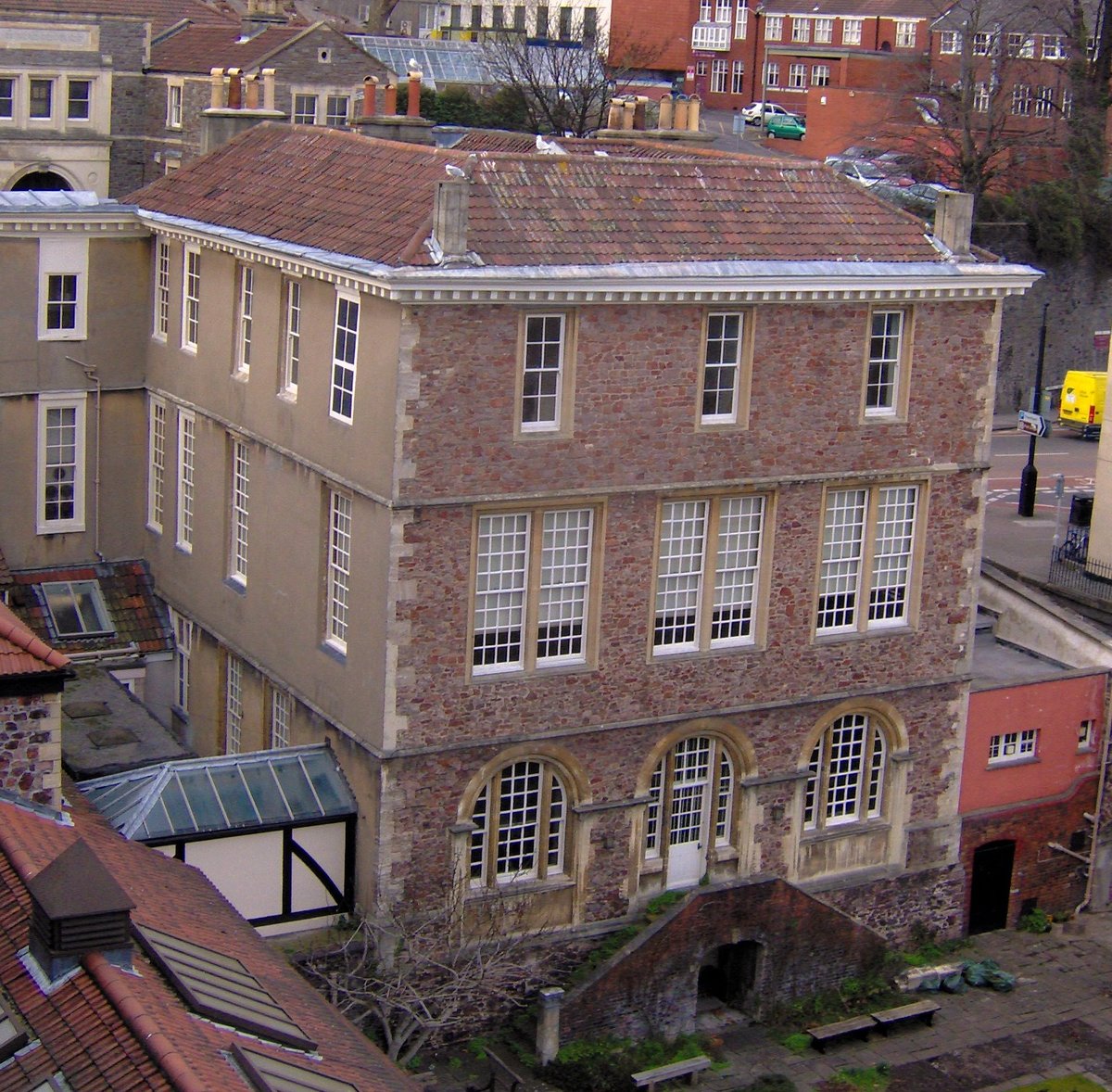
The Red Lodge Museum, hidden on Park Row, is a historic gem in Bristol. Built in 1579-80 for Sir John Young, a Tudor courtier to Henry VIII and Elizabeth I, the Red Lodge has an intriguing origin, its design possibly attributed to the renowned architect Sebastiano Serlio. Sir John Young died in 1589, and the Red Lodge was completed by his widow, Dame Joan. Their son, Robert Young, squandered his inheritance and had to convey the Red Lodge to his half-brother Nicholas Strangways.
By 1595, the building was rented out to various tenants as a residence. In the 1730s, John and Mary Henley bought the Red Lodge and began its extension work, doubling its footprint. The Henleys refurbished the reception room while preserving the original oak panelling, moulded plaster ceiling, double-decker fireplace, and oak internal porch in the Great Oak Room. The only features that have changed in the Great Oak Room since it was built are the enlarged Georgian windows.
Today, the Red Lodge Museum is open as a free museum managed by Bristol City Council. A fascinating history spans over six centuries in this once-palatial home, now hidden in plain sight.
Sources: Wikipedia, OpenStreetMap, Wikidata, Wikimedia Commons
Written by Nicolo Ciampini
Discuss this with the author and others
No comments yet. Be the first to start the conversation.