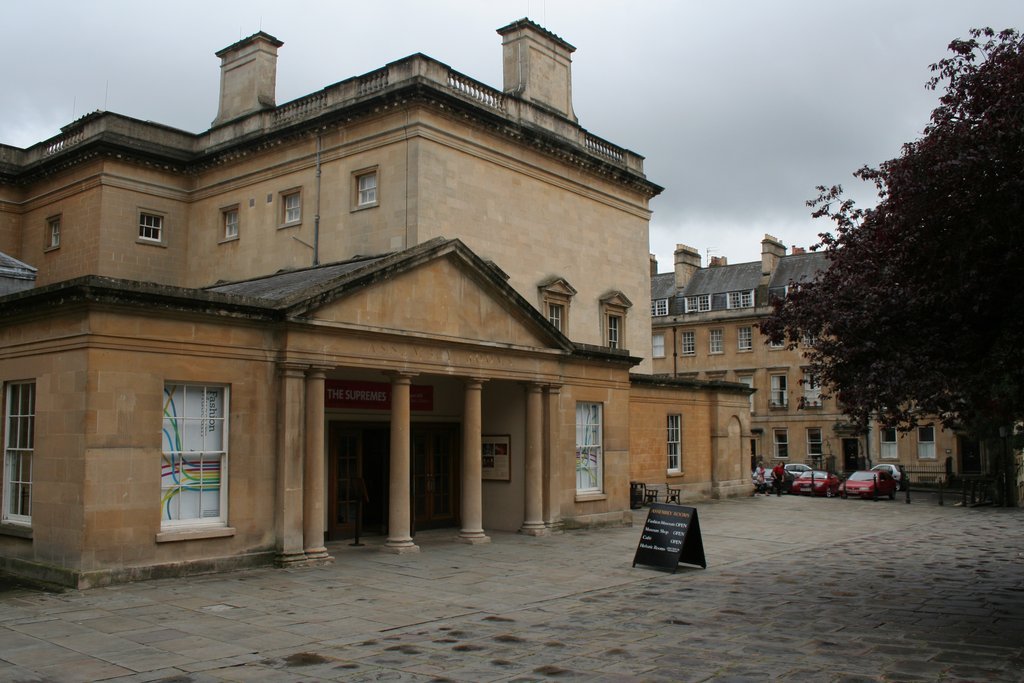

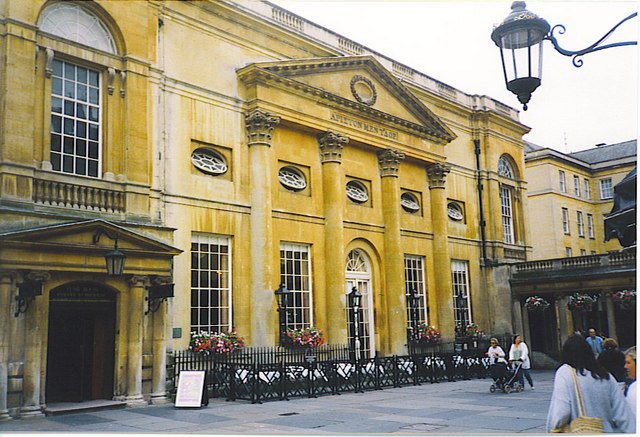
The Bath Assembly Rooms were designed by John Wood, the Younger in 1769 and are located in the heart of the World Heritage City of Bath. The building, constructed of creamy honey-coloured Bath stone, is arranged in a U shape. It was funded through a tontine - an investment plan where each subscriber pays an agreed sum into a fund and receives an annuity. As members die, their shares devolve to the other participants, increasing the value of each annuity until the last member dies and the scheme is wound up. Construction began in 1769 and the new upper assembly rooms opened with a grand ball in 1771.
Neoclassical architect Robert Adam originally submitted a proposal for the rooms, but it was rejected as too expensive. Wood took over the project, and the finished venue was described as the most noble and elegant of any in the kingdom. It became a hub for fashionable society, frequented by the nobility and figures such as Jane Austen and Charles Dickens. The complex contains four main rooms: a 100-foot-long ballroom, which is the largest Georgian interior in Bath; a tea room; a card room; and an octagon.
The building has served various purposes over the centuries, including a cinema in the 20th century. After being bombed and burnt out during the Second World War, it was restored and reopened in 1963. It is now owned and operated by the National Trust. The basement previously housed the Fashion Museum, which closed in October 2022 as the museum seeks a permanent new home within the city.
Sources: Wikipedia, OpenStreetMap, Wikidata, Wikimedia Commons
Written by Nicolo Ciampini
Discuss this with the author and others
No comments yet. Be the first to start the conversation.