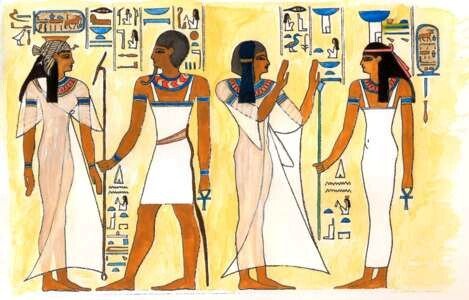

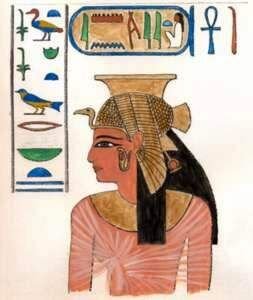
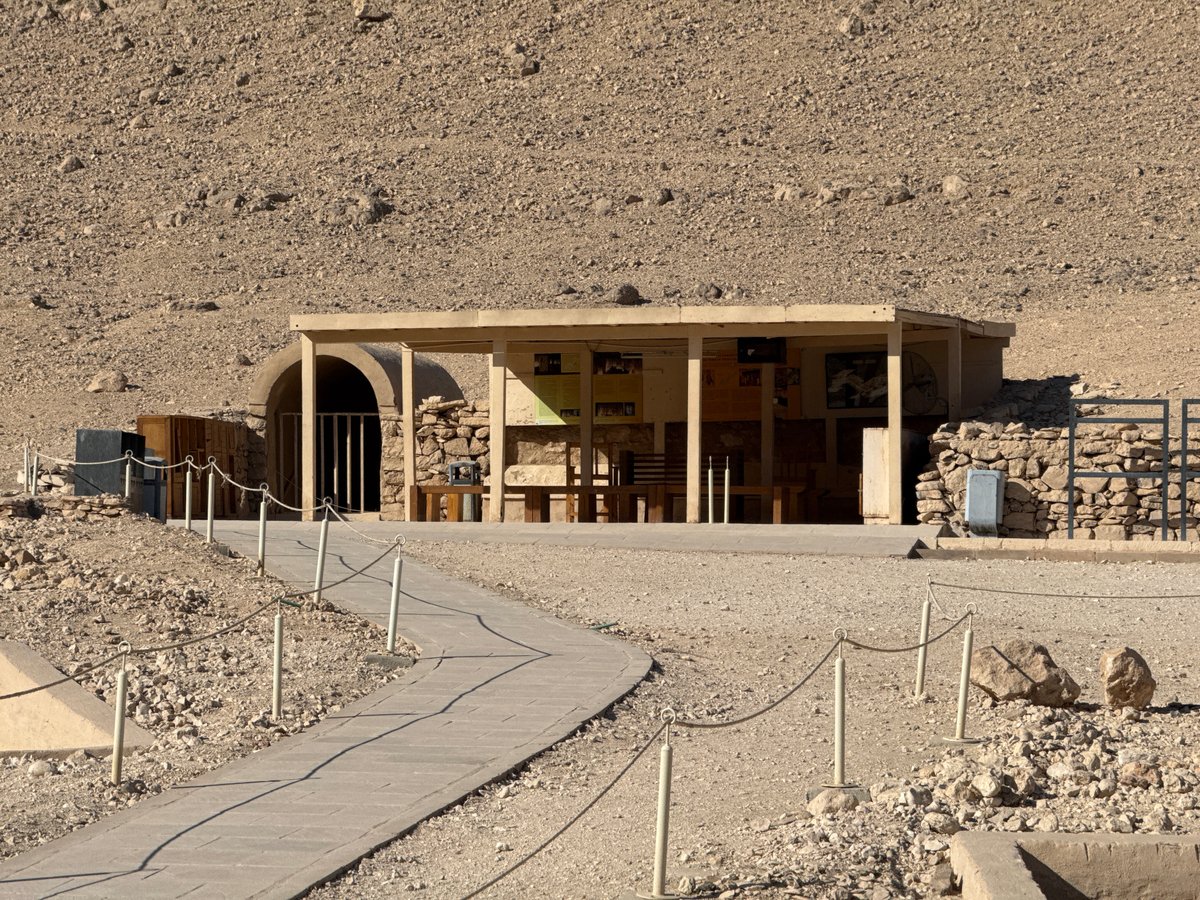
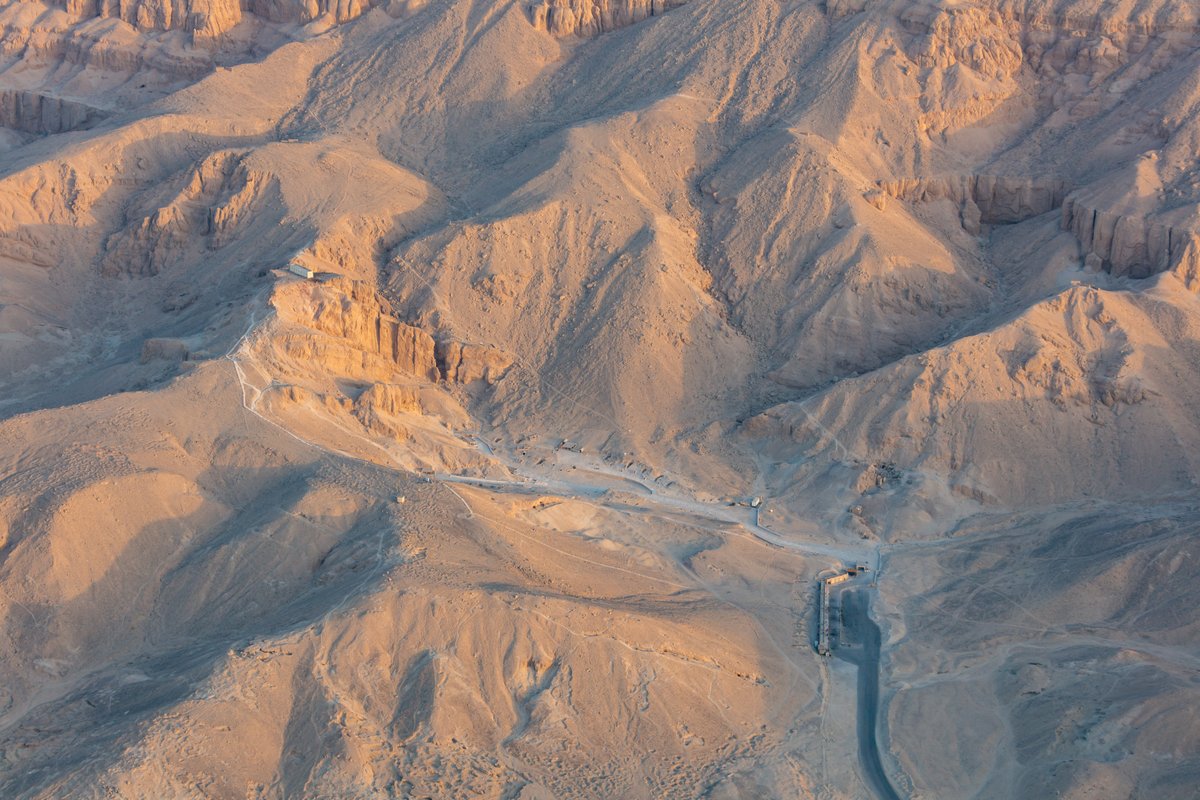
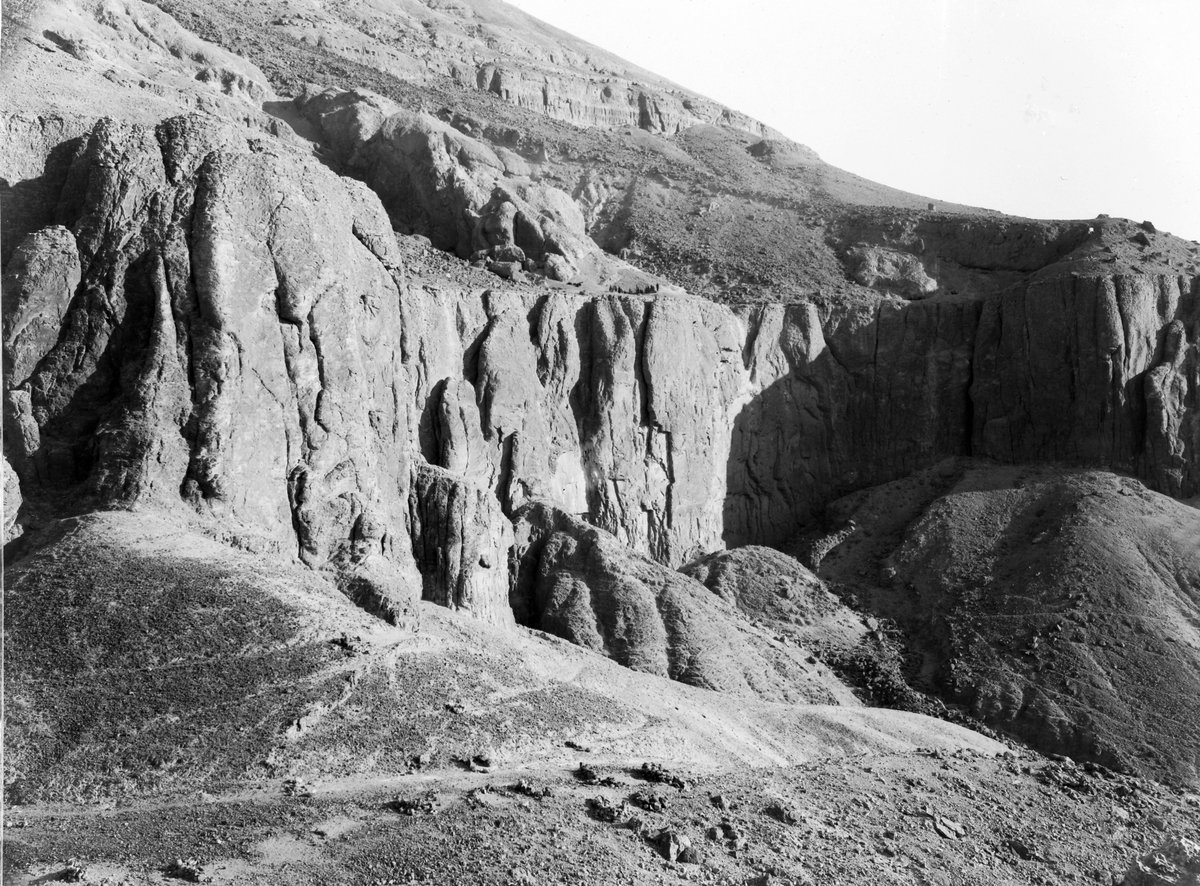
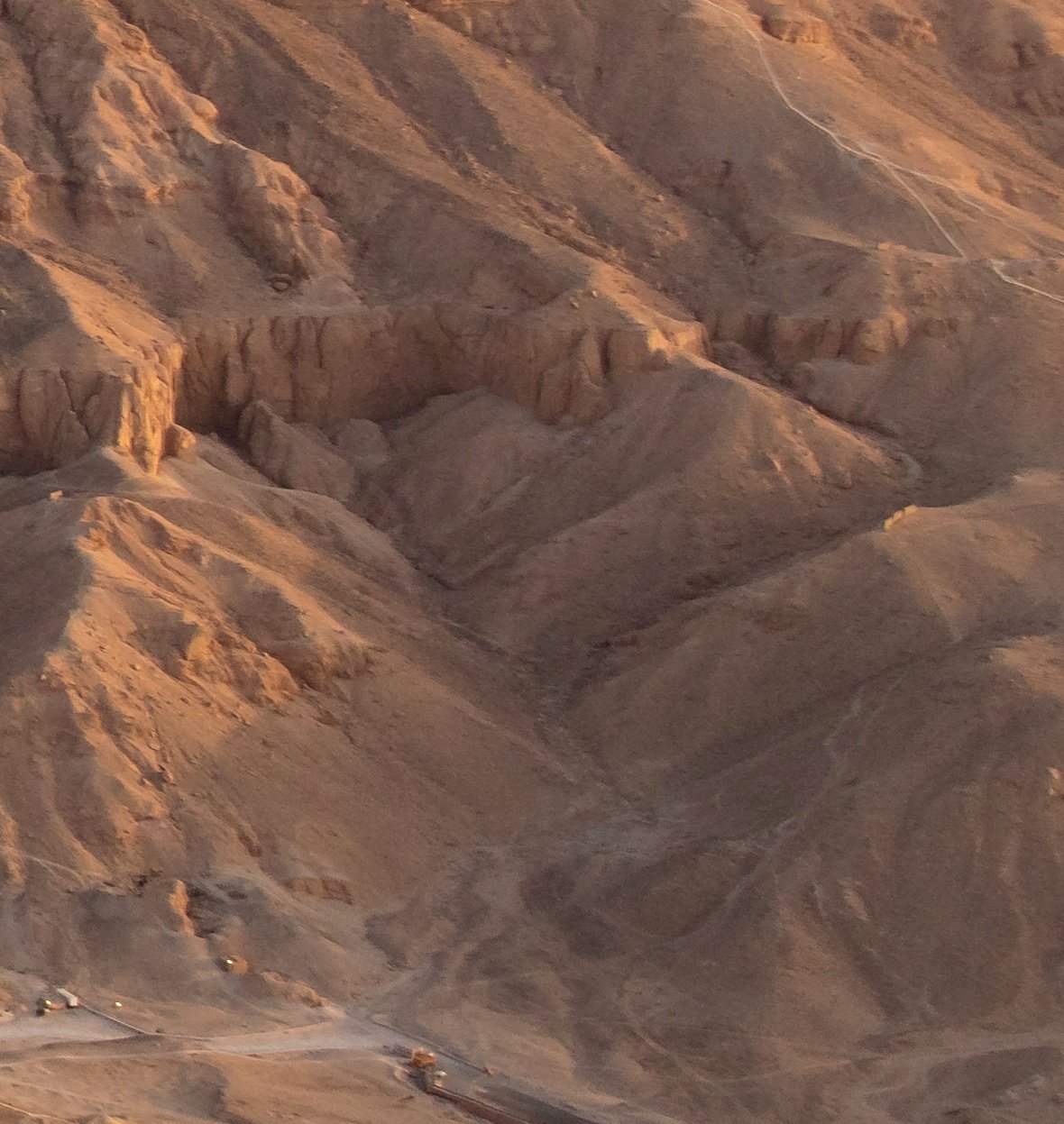
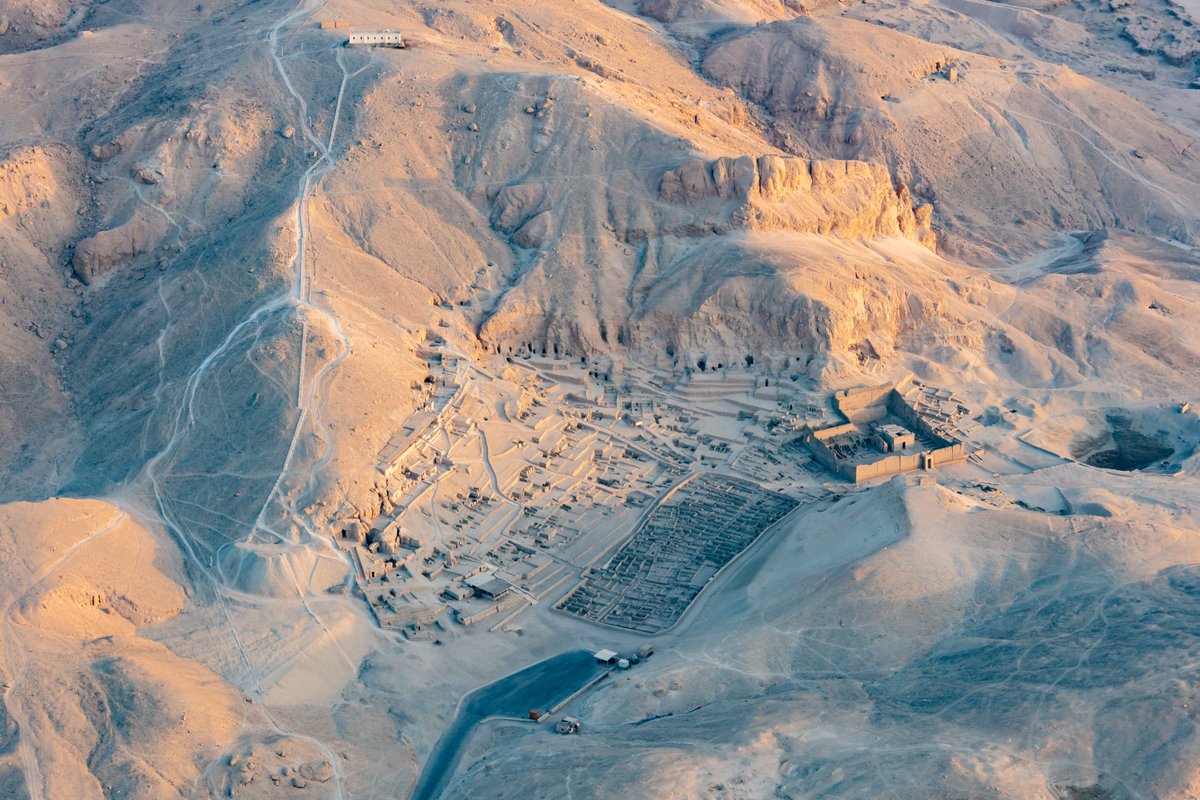
In the Valley of the Queens lies the tomb of Bintanath, the daughter and Great Wife of Ramesses II. She moved through the world as a royal daughter and a queen, a life of high station that ended in a tomb noted in the records of early scholars like Champollion and Lepsius, who listed it as number 4 in his catalog. The tomb was later excavated by Ernesto Schiaparelli, the director of the Egyptian Museum in Turin.
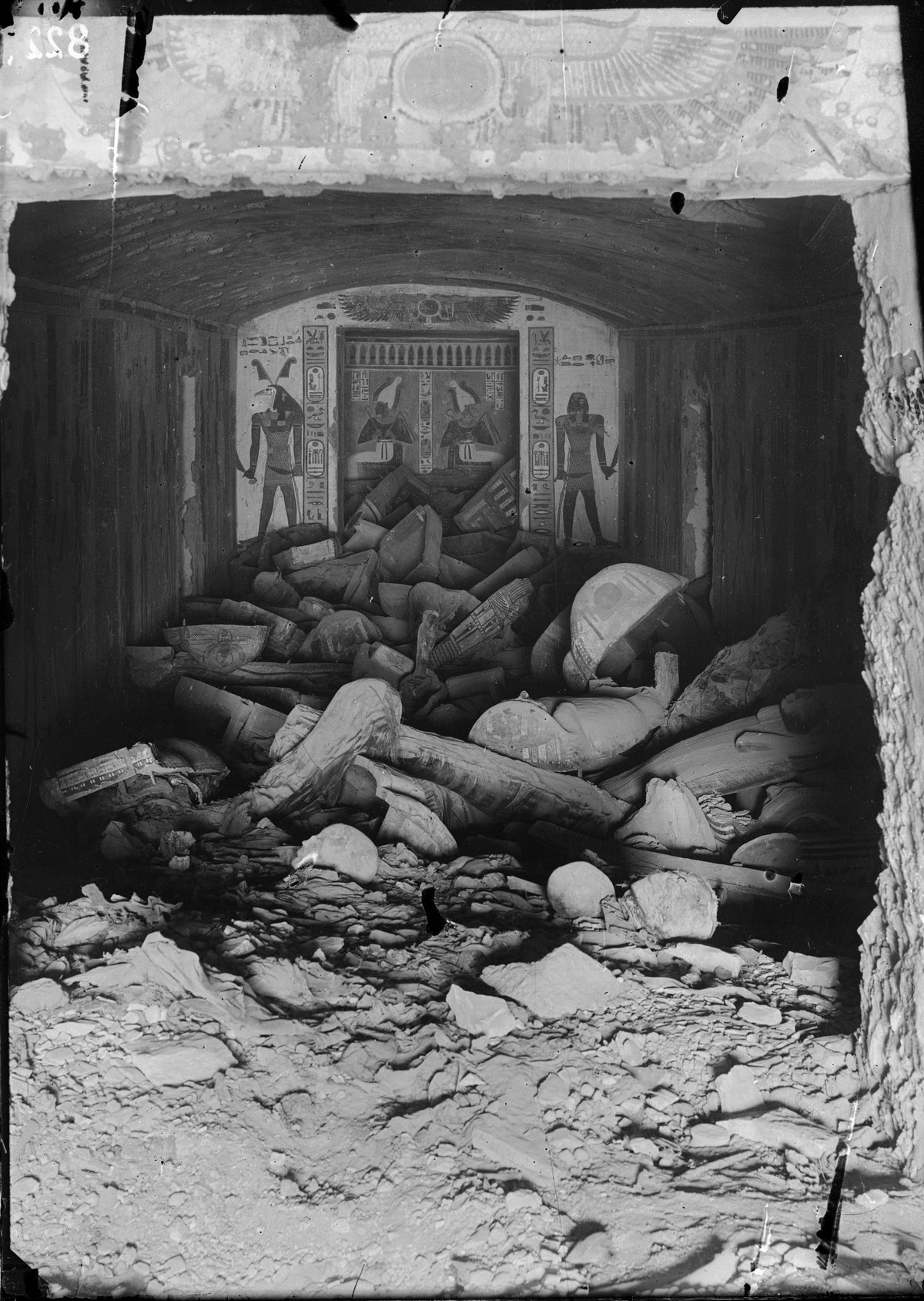
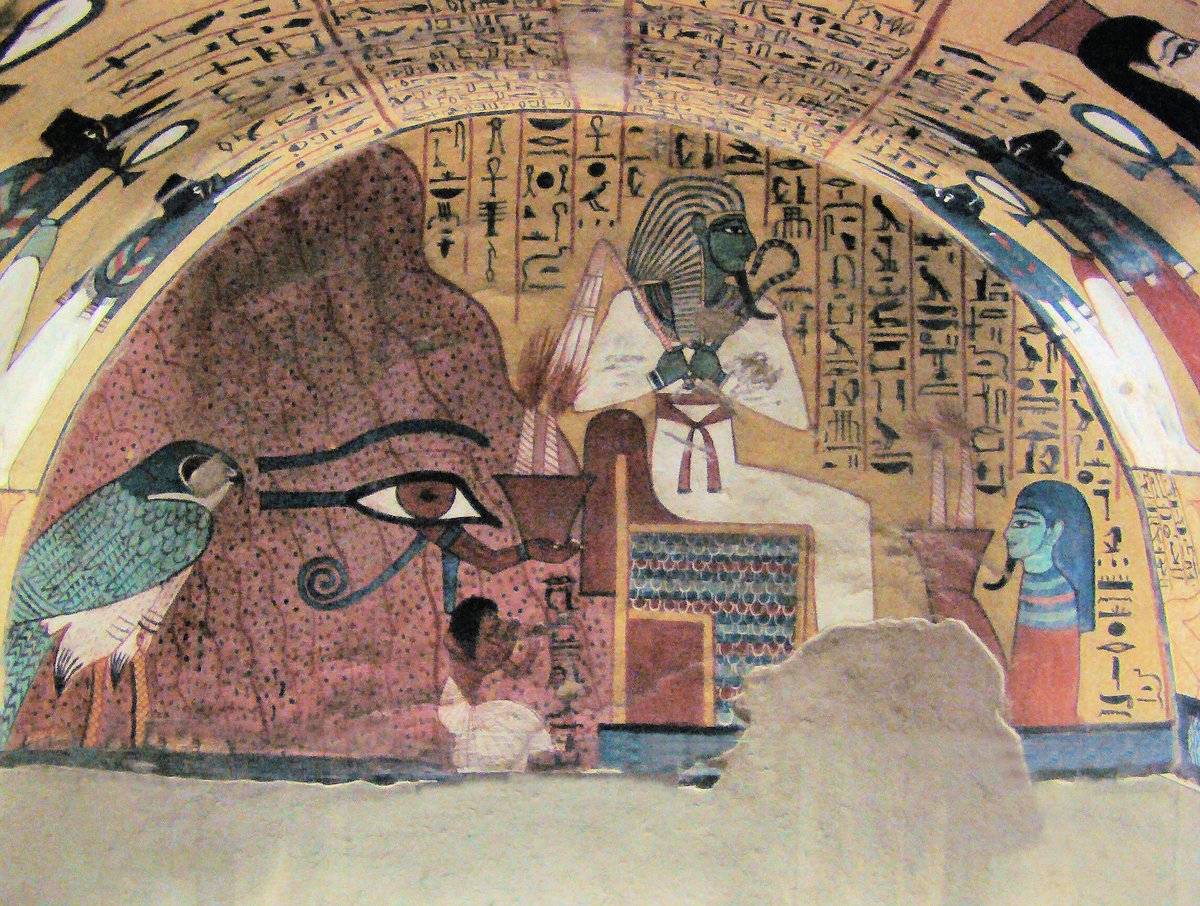
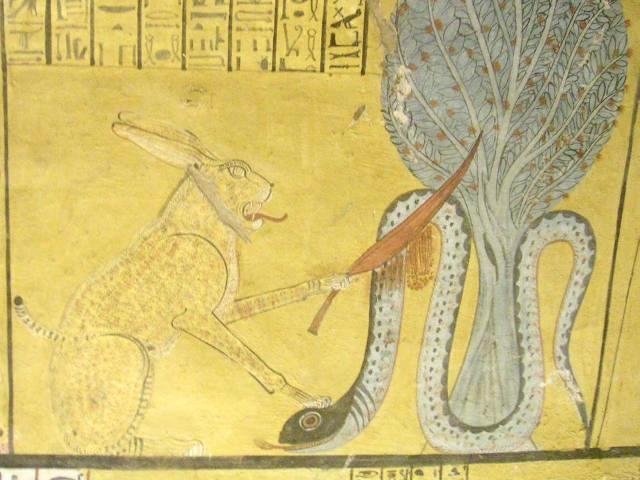
The main hall contains several scenes with deities. Bintanath appears before Ptah-Sokar, Hathor, a ram-headed Anubis, and the cow-headed Hathor. In one scene, the goddess Hathor leads her toward the god Shu, and in another, the jackal-headed Anubis guides her toward Osiris and Hathor. The walls show her offering to Khepri and Anubis, and presenting an image of Maat to the god Ptah. She is also led by Thoth to appear before Ra and Isis.
In the Inner room, Bintanath is shown adoring Nun and Serket. Further scenes show her before Geb and Ra. In another scene, Bintanath is shown with a princess adoring the Anubis-jackal. These scenes depict her in the presence of the gods.
The sarcophagus and its lid were found in the tomb. The sarcophagus is now held in the Cairo Museum and appears to have been usurped from a man. The inscriptions on the lid identify her as the Osiris, the Hereditary Princess, and the Chief of the Harim. The center-line bears a plea: "Descend, O my mother Nut, spread yourself over me, and may I be place amidst the Imperishable Stars; not shall die, the Osiris."
Sources: Wikipedia, OpenStreetMap, Wikidata, Wikimedia Commons
Written by Mutabor
Discuss this with the author and others
No comments yet. Be the first to start the conversation.