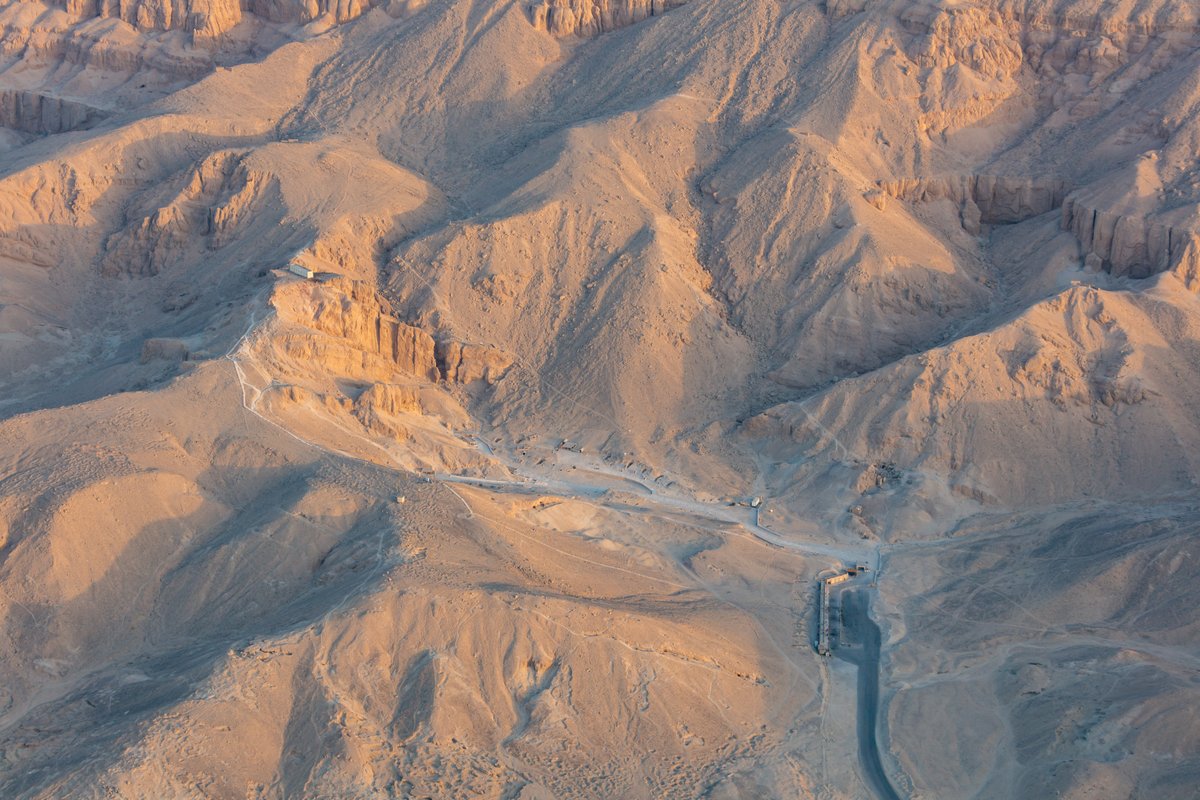

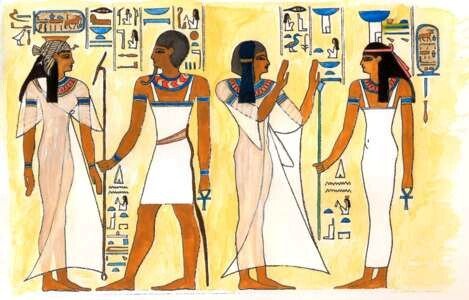
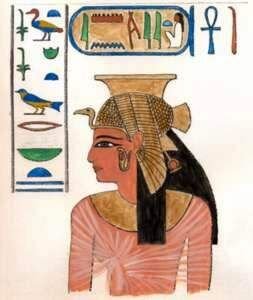
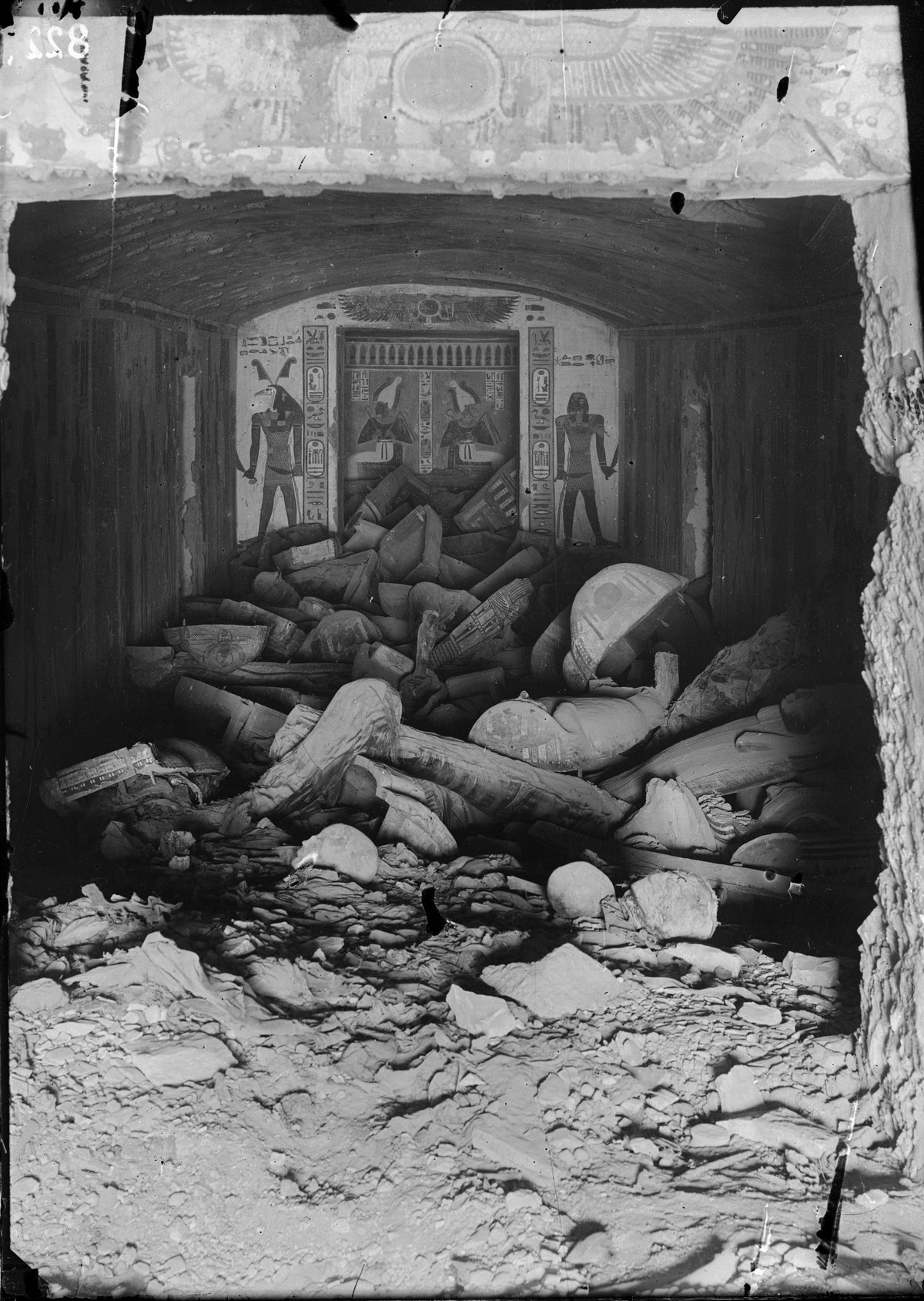
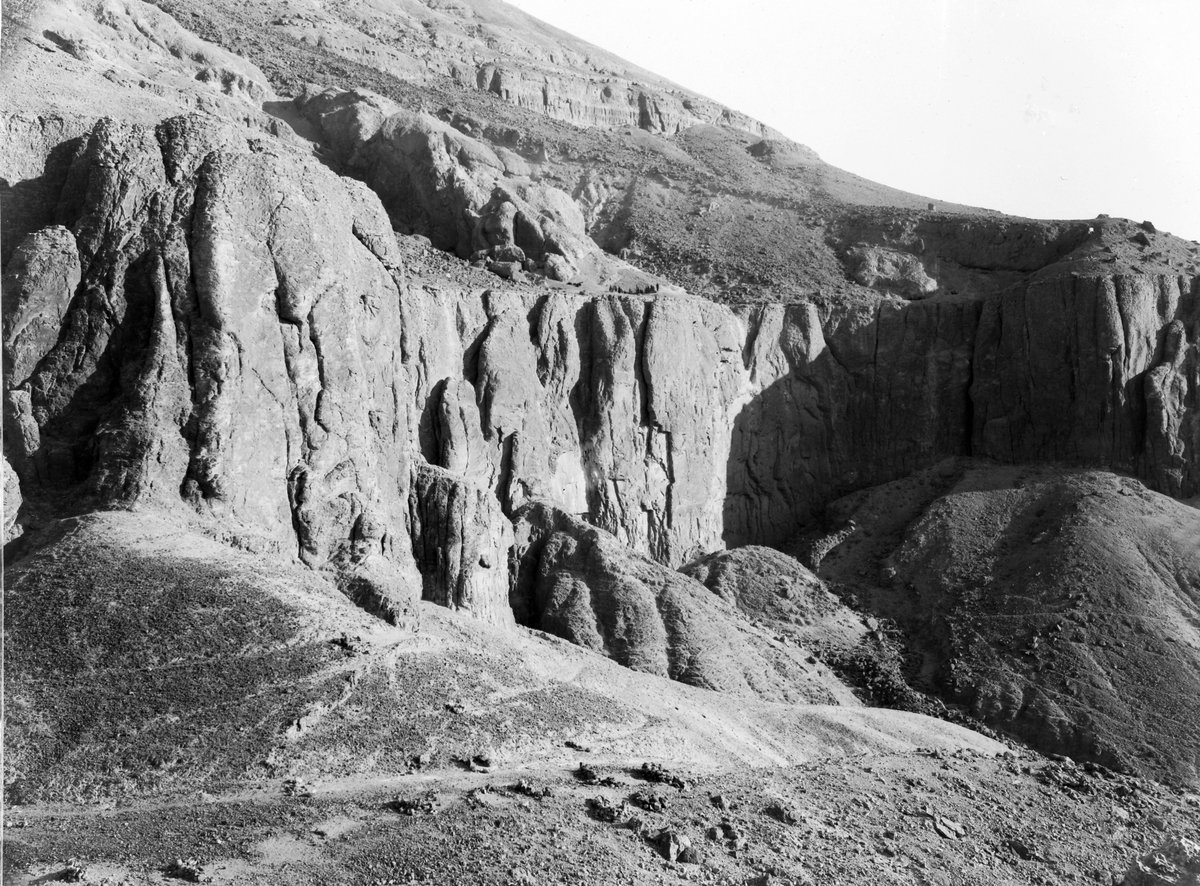
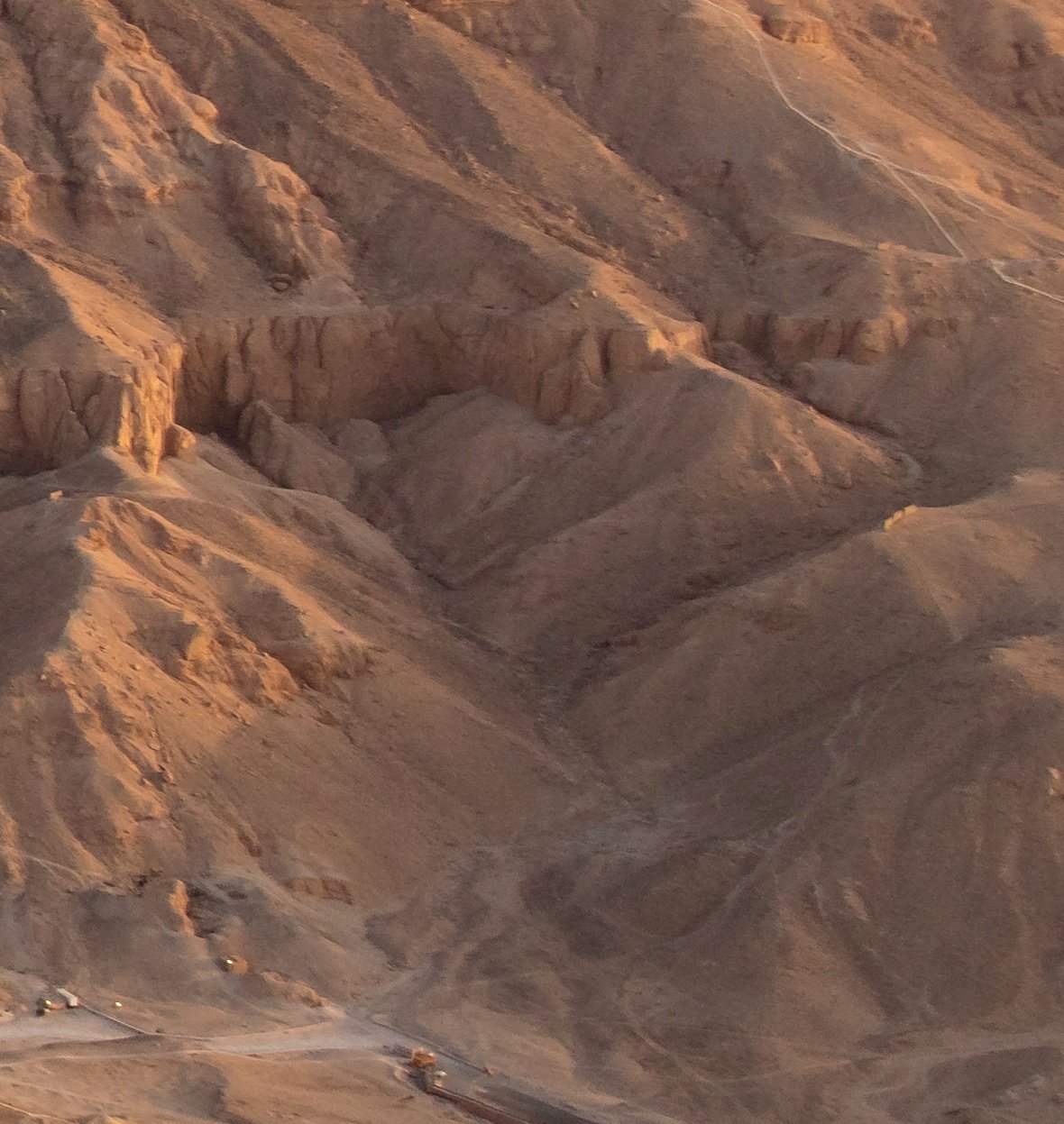
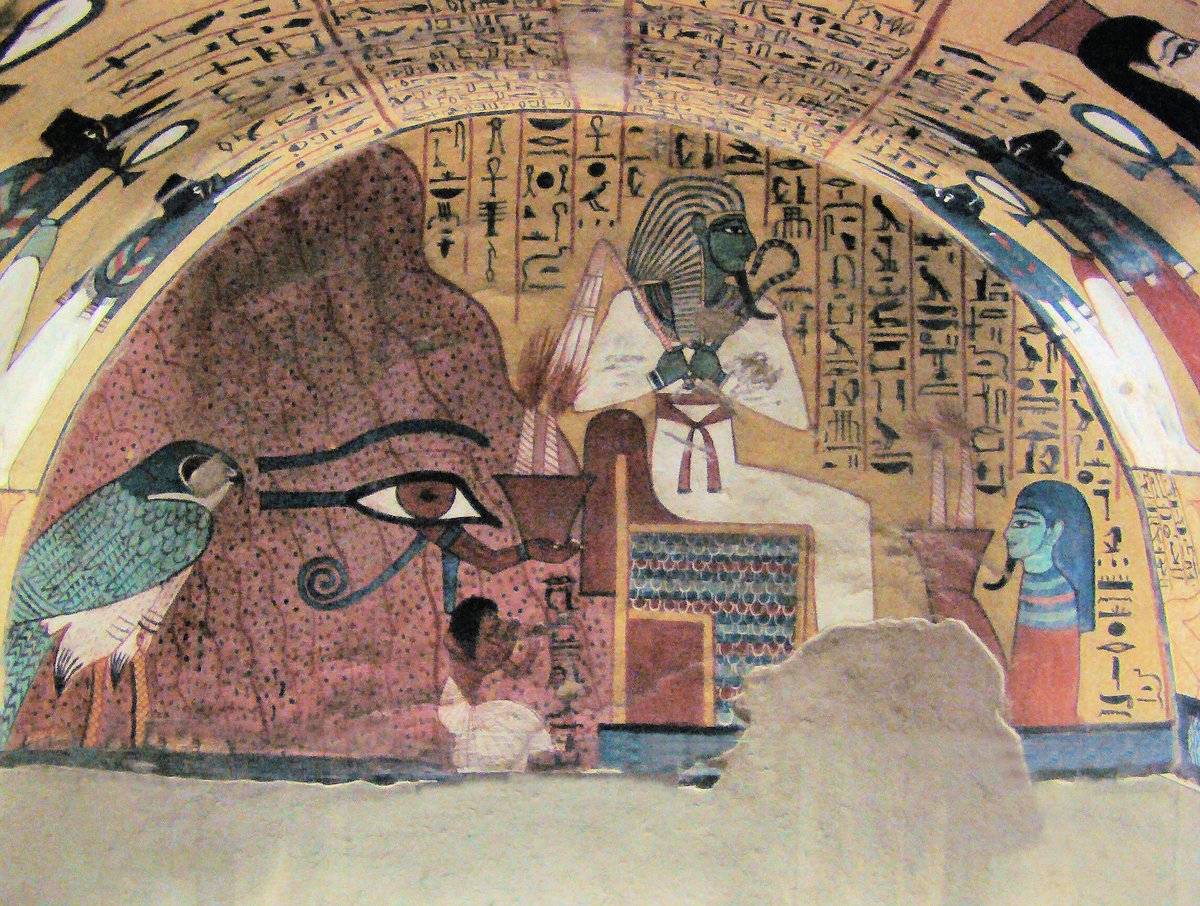
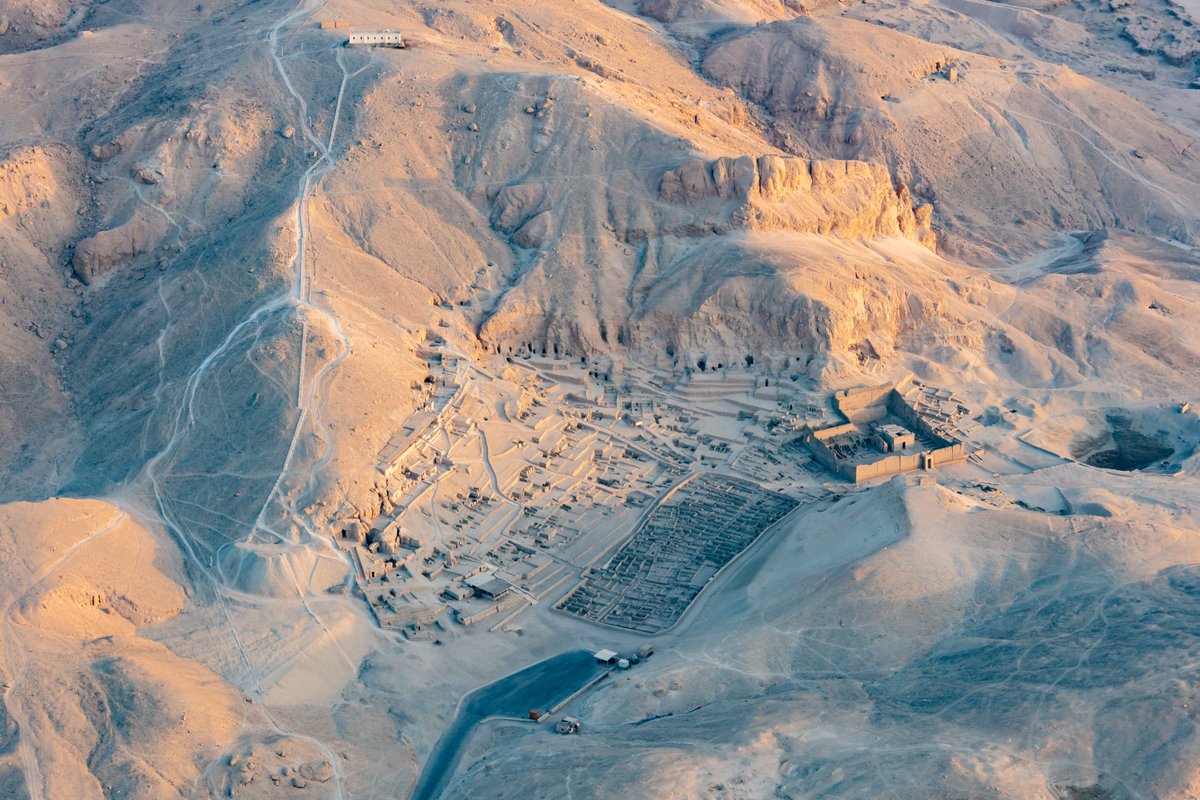
The Valley of the Queens is a site in Egypt where queens, princes, princesses, and other high-ranking officials were buried from roughly 1560 BC to 1130 BC. Anciently known as Ta-Set-Neferu, the name carries a double meaning of "The Place of Beauty" and/or "the Place of the Royal Children". While pharaohs were buried in the Valley of the Kings, this site served as a significant burial ground for the royal family and nobility.
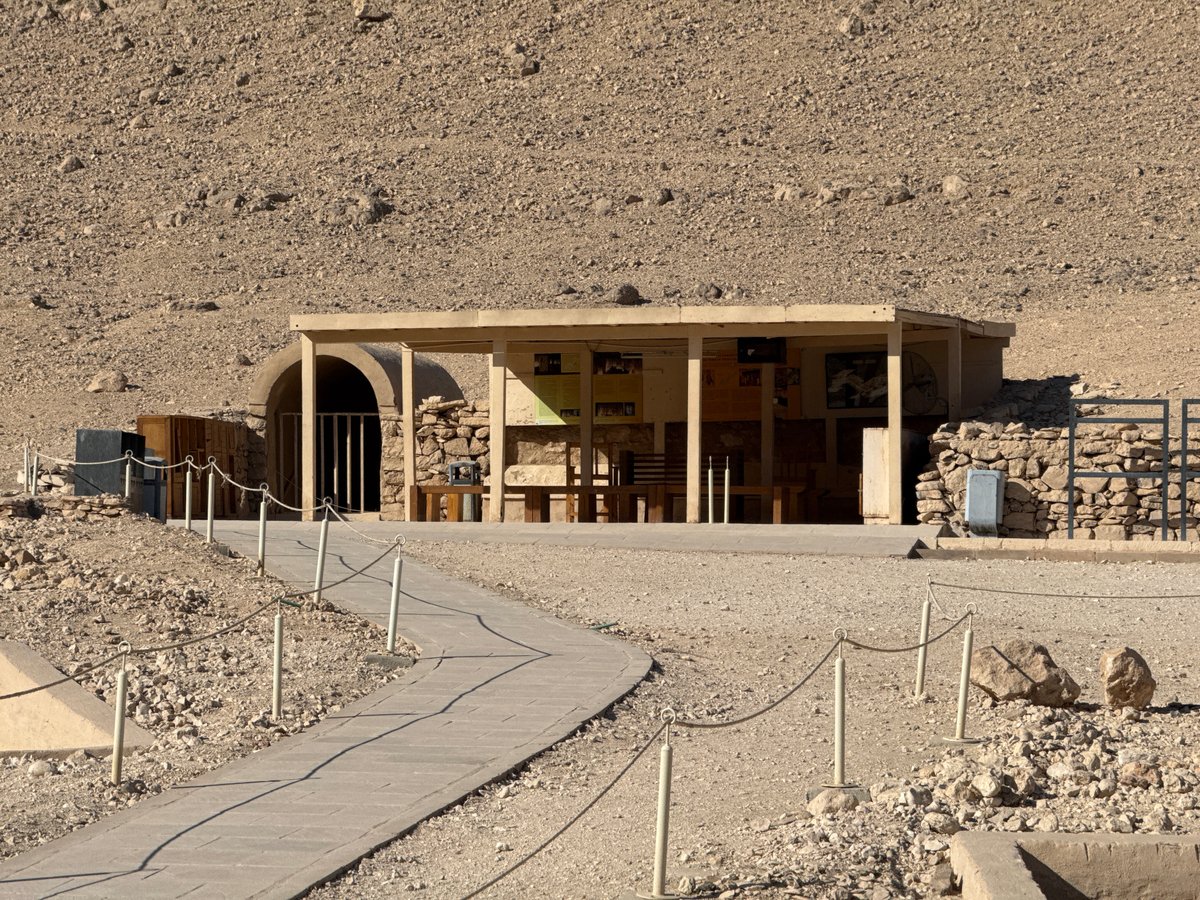
Excavation of the tombs was pioneered by Ernesto Schiaparelli and Francesco Ballerini in the early 1900s. The site consists of a main wadi containing 91 tombs, along with several subsidiary valleys including the Valley of Prince Ahmose, the Valley of the Rope, the Valley of the Three Pits, and the Valley of the Dolmen. These subsidiary valleys contain an additional 19 tombs, all of which date to the 18th Dynasty.
The reason for choosing this site as a burial location is not known, though its proximity to the workers' village of Deir el-Medina and the Valley of the Kings may have been a factor. Another consideration could have been a sacred grotto dedicated to Hathor at the entrance of the valley, which may have been associated with the rejuvenation of the dead. In 1979, the Valley of the Queens was inscribed on the UNESCO World Heritage List along with the Valley of the Kings and nearby Thebes.
Sources: Wikipedia, OpenStreetMap, Wikidata, Wikimedia Commons
Written by Mutabor
Discuss this with the author and others
No comments yet. Be the first to start the conversation.