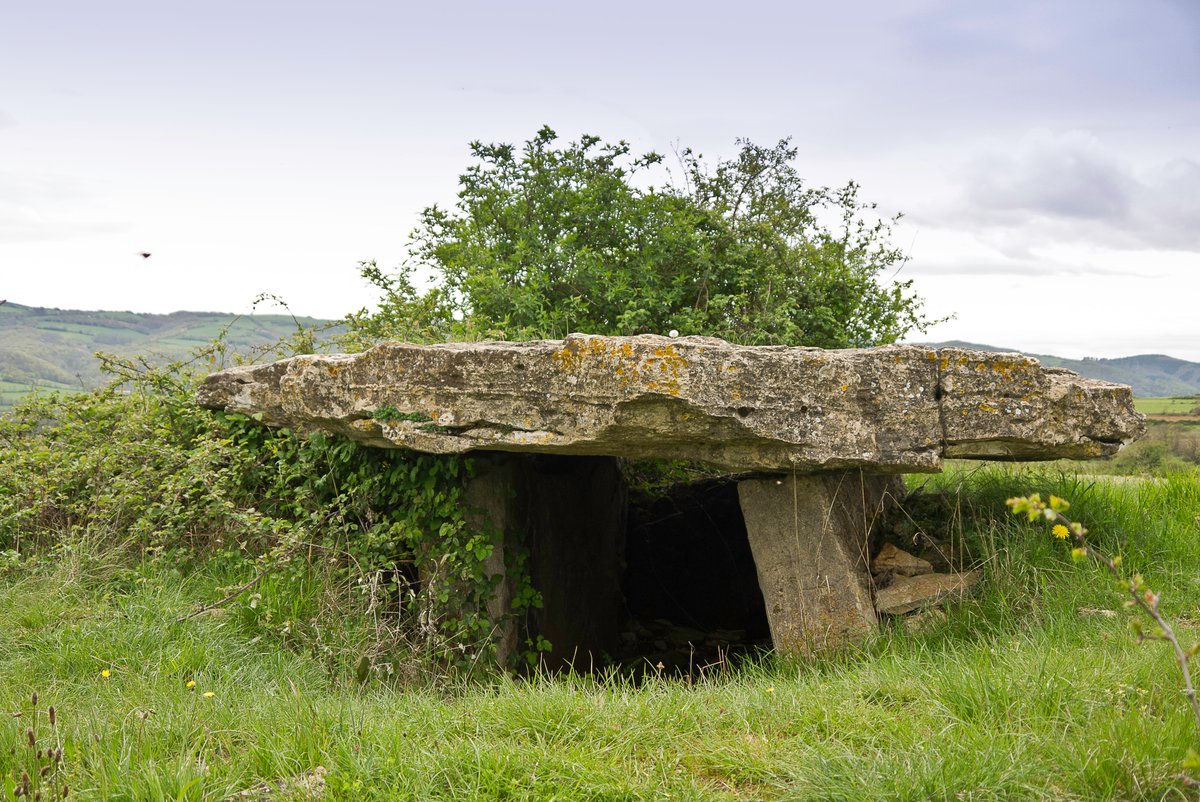

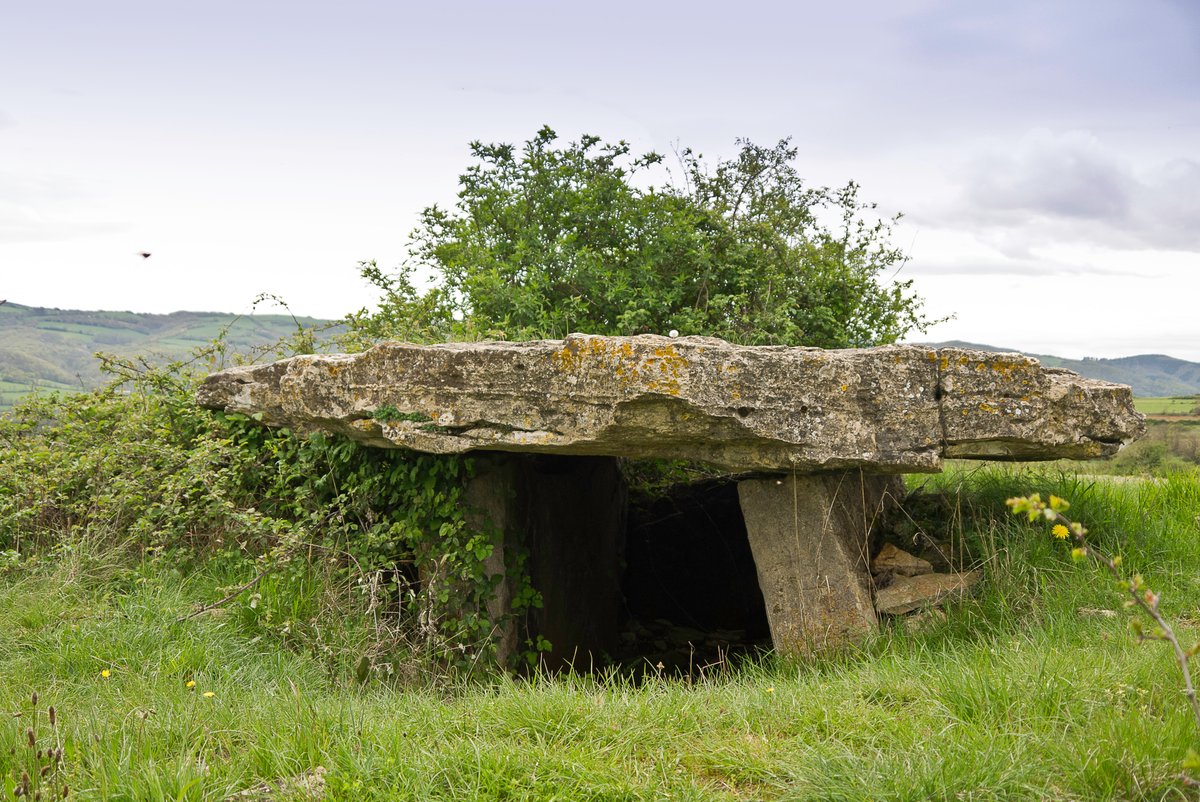
The dolmens of Surguières and Saplous form a necropolis of megalithic structures situated on the border of Buzeins and Gaillac-d'Aveyron in the Aveyron department. The site contains the Surguières group, which consists of five dolmens and a possible sixth, and the Saplous group. While one of the Surguières dolmens was listed as a historical monument in 1933, the official order was imprecise, simply stating the monument was located southeast of the hamlet of Surguières.
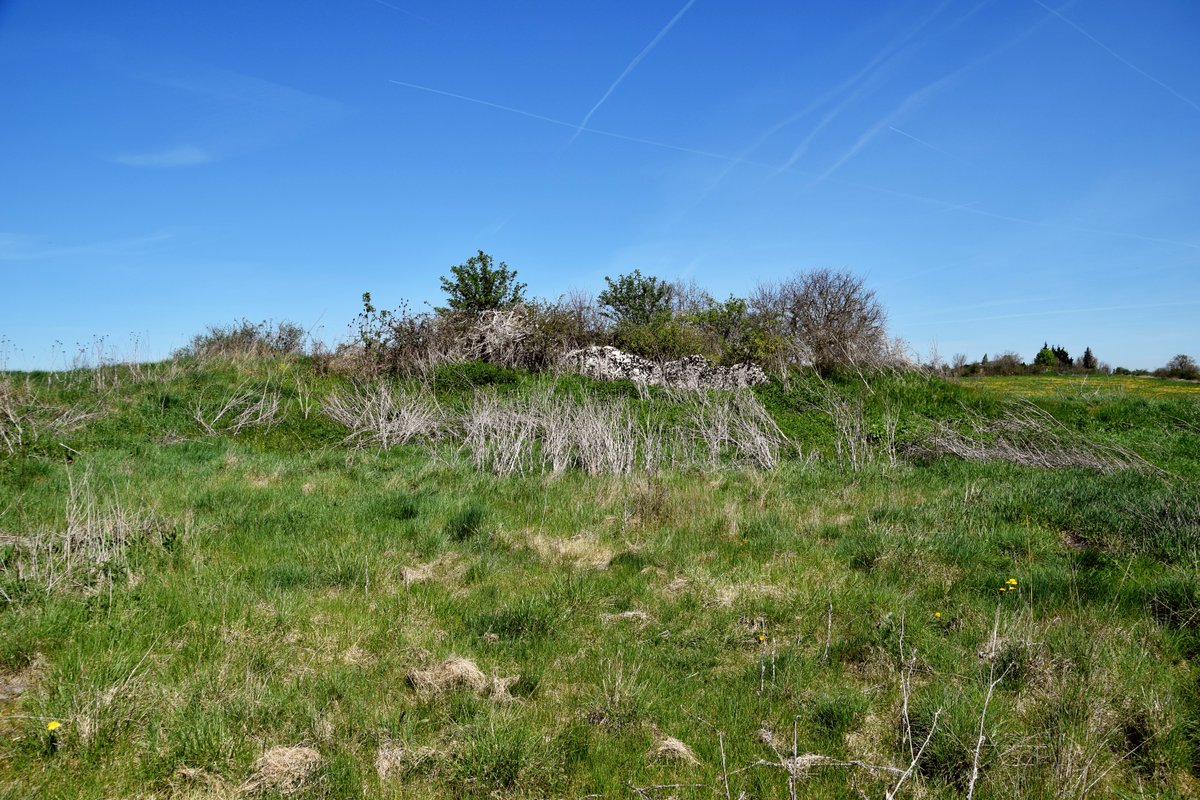
The hamlet of Surguières sits on the border of Buzeins and Gaillac-d'Aveyron. Three dolmens, known as dolmen n° 1, n° 2, and n° 3, are located to the south-southwest of the hamlet in Gaillac-d'Aveyron, while dolmens n° 4 and n° 5 are located to the south-southeast of the hamlet in Buzeins. A sixth dolmen, also located to the south-southeast of the hamlet in Buzeins, was likely destroyed during the construction of a local road, leaving only a part of the tumulus visible.
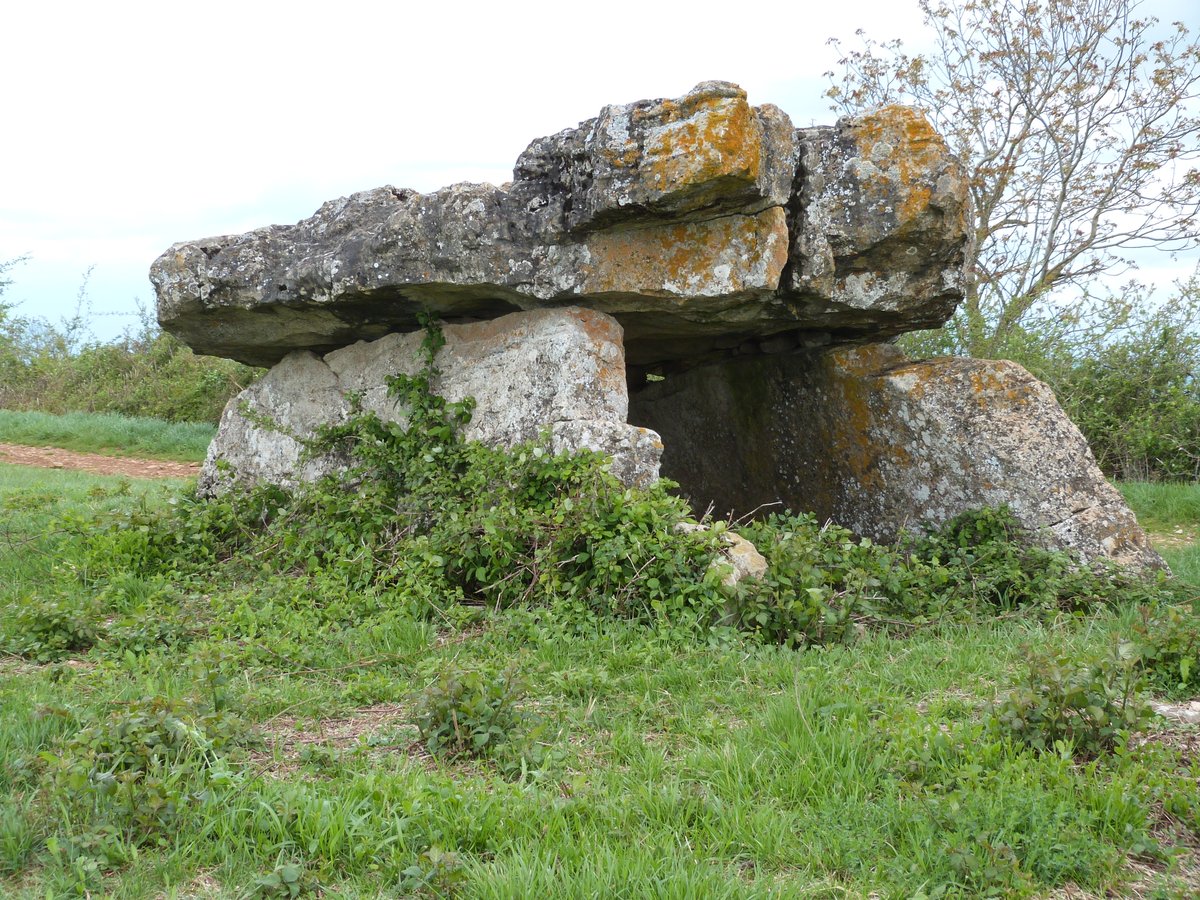
Dolmen n° 1 of the Surguières group is situated about 1,000 meters from the hamlet and features two orthostates and a tumulus roughly 9 meters in diameter. Near this structure, two flat slabs may be the fractured remains of a cover table. Artifacts found nearby, including two stemmed flint arrowheads, three flint fragments, and pottery shards, are preserved at the Sévérac-le-Château museum. Meanwhile, the Dolmen de Saplous II is in good condition, featuring a long cover slab of 4 meters in place within a clearly visible tumulus.
Sources: Wikipedia, OpenStreetMap, Wikidata, Wikimedia Commons
Written by Nicolo Ciampini
Discuss this with the author and others
No comments yet. Be the first to start the conversation.