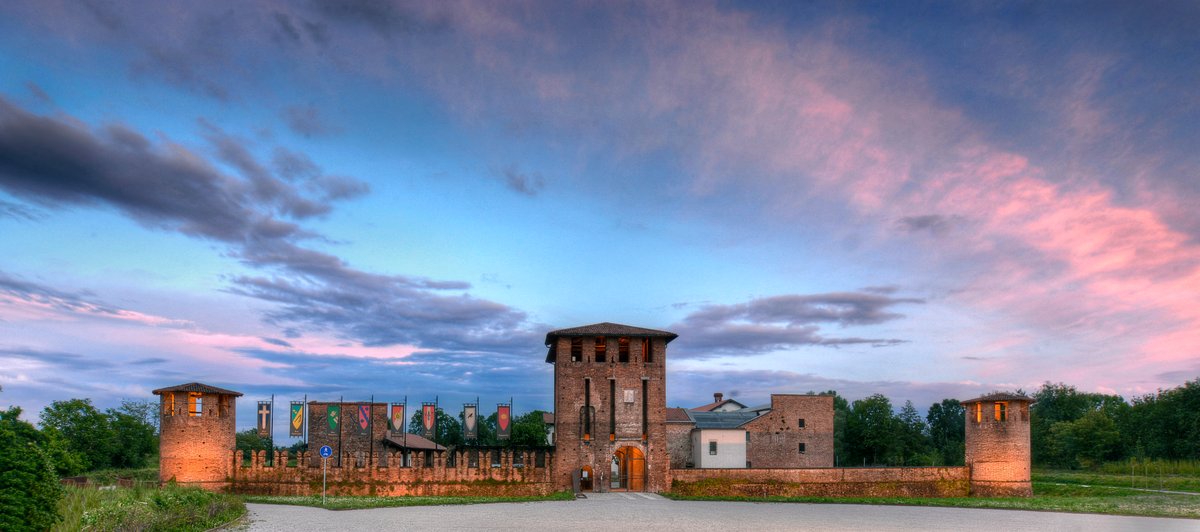

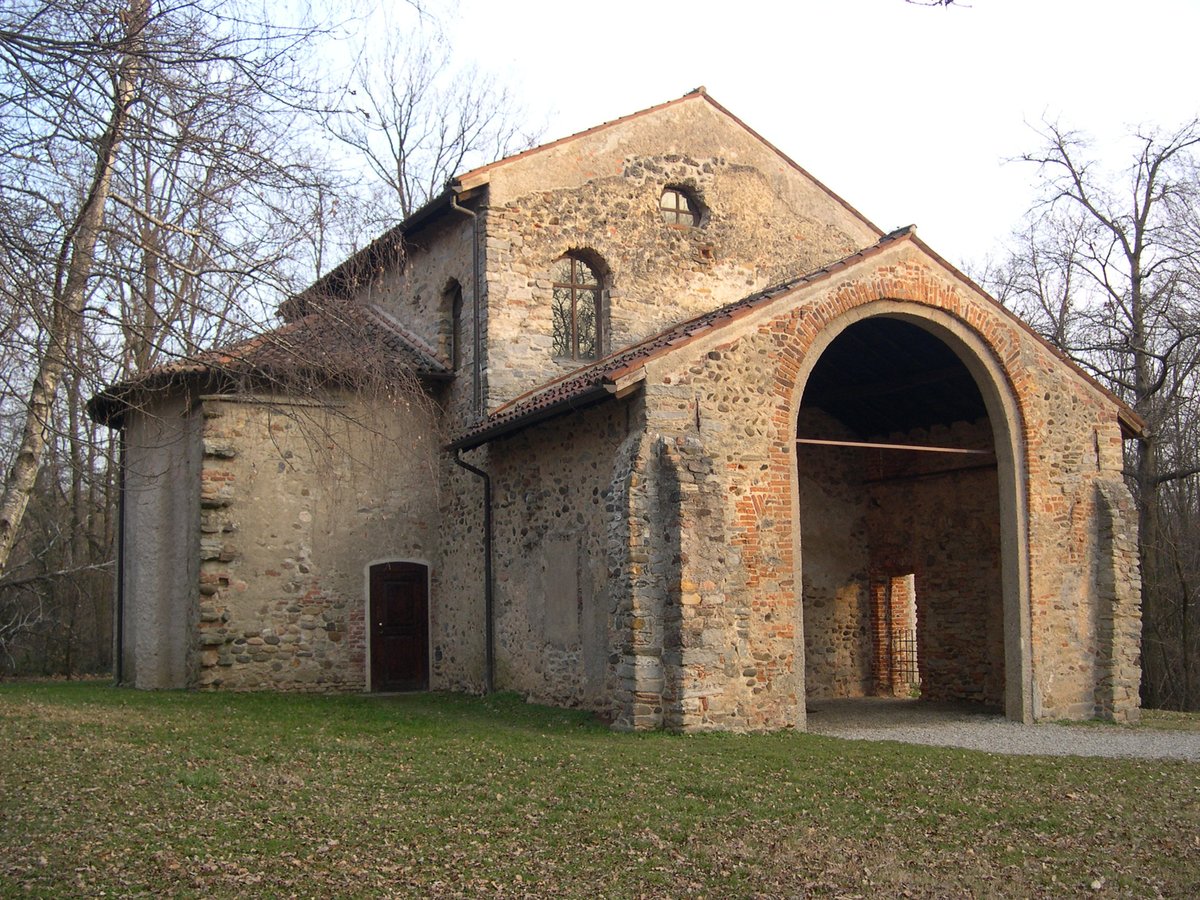
How did a peaceful Augustinian convent from 1231 become a fortress? The site was originally home to a religious building dedicated to Saint George, which owned much of the surrounding arable land. This monastic presence likely influenced the naming of the castle and the nearby district known as the Costa di San Giorgio.
Why was such heavy fortification necessary? Legnano sat on a vital road linking Milan to Lake Maggiore along the Olona River. When it belonged to the Viscontis, the castle of Legnano was part of a larger defensive system that enclosed Milan, serving both military purposes and as a summer vacation spot. During the hottest months, the lords used the castle to escape the heat of the city and organized hunting parties in the nearby woods.
Why did the castle lose its bite by the 16th century? The strategic function of the area declined as Legnano began to untie itself from Milan, turning from a military outpost into an agricultural center. The lack of artillery gun emplacements on the towers reflects this loss of military function, as the site's role in the defense of the Milanese countryside was no longer justified.
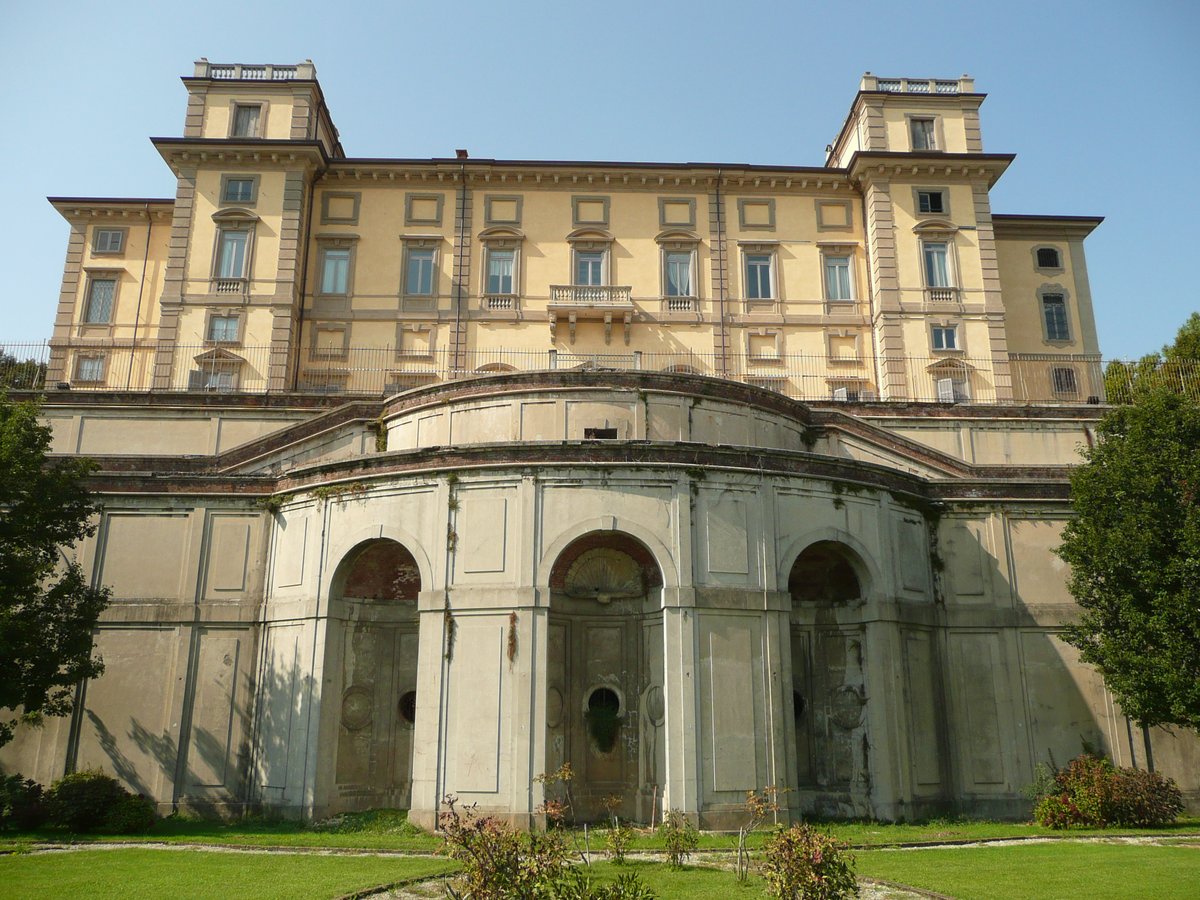
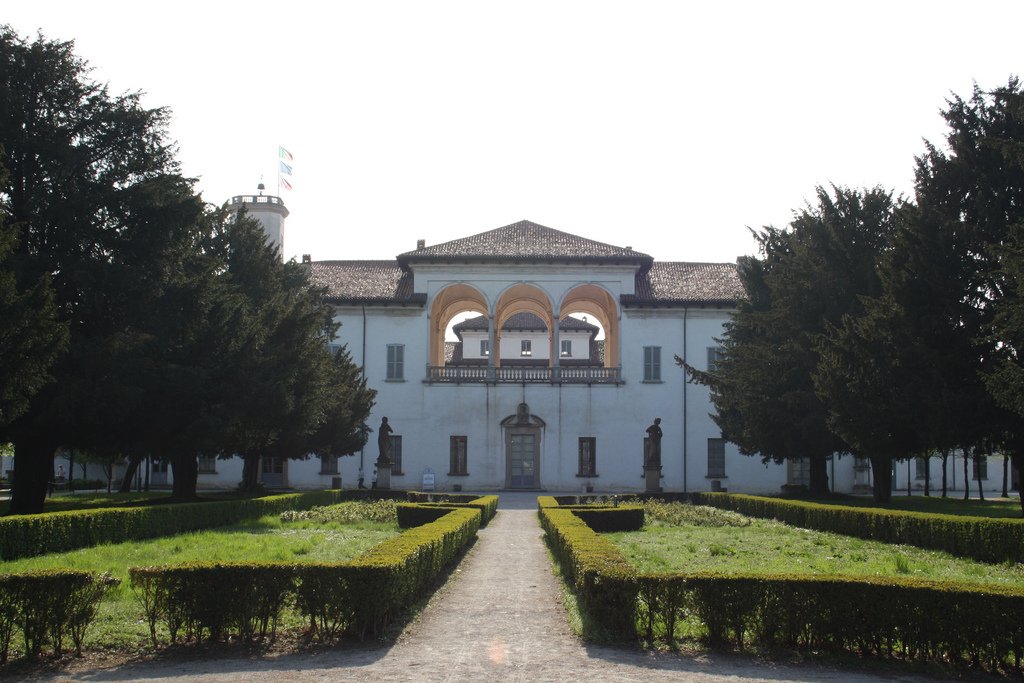
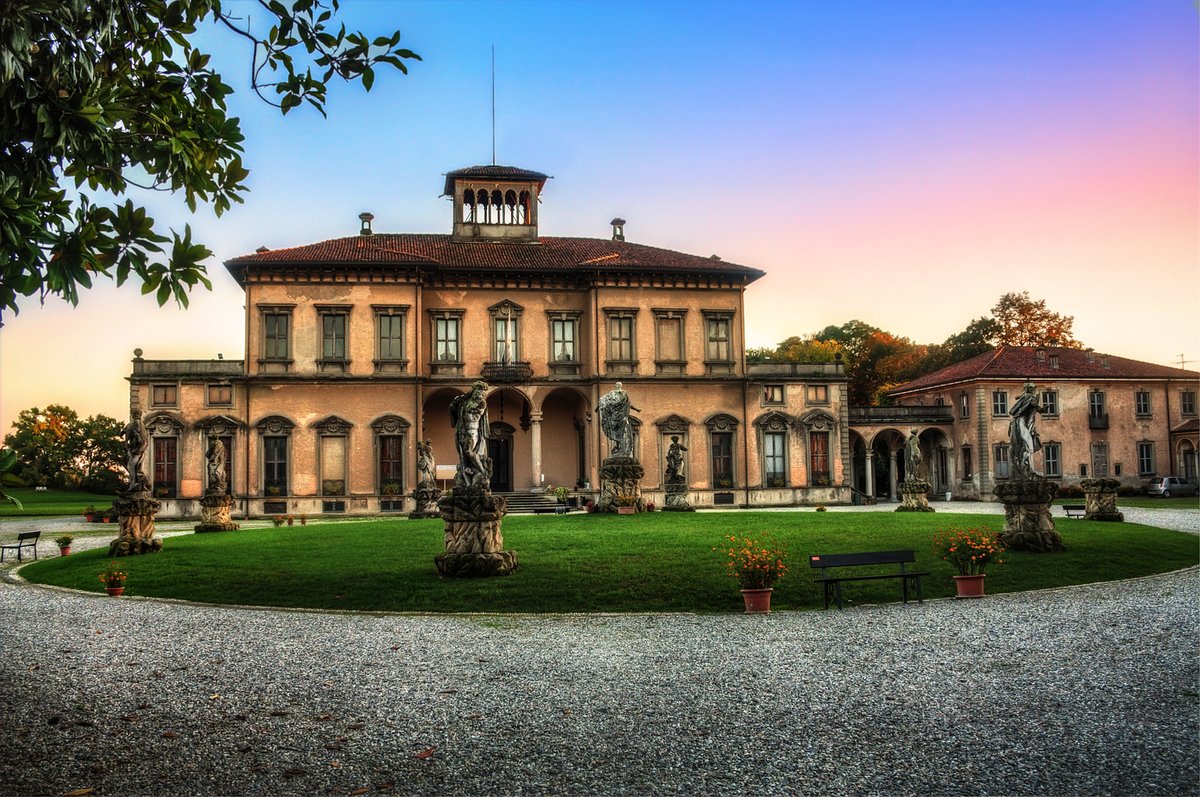
Is it still standing? Yes, it sits on a natural island in the Olona River. It is located on Viale Toselli, between Castello Park and Piazza I Maggio, where the history of the medieval fortification remains preserved today.
Sources: Wikipedia, OpenStreetMap, Wikidata, Wikimedia Commons

Written by Nicolo Ciampini
Discuss this with the author and others
No comments yet. Be the first to start the conversation.