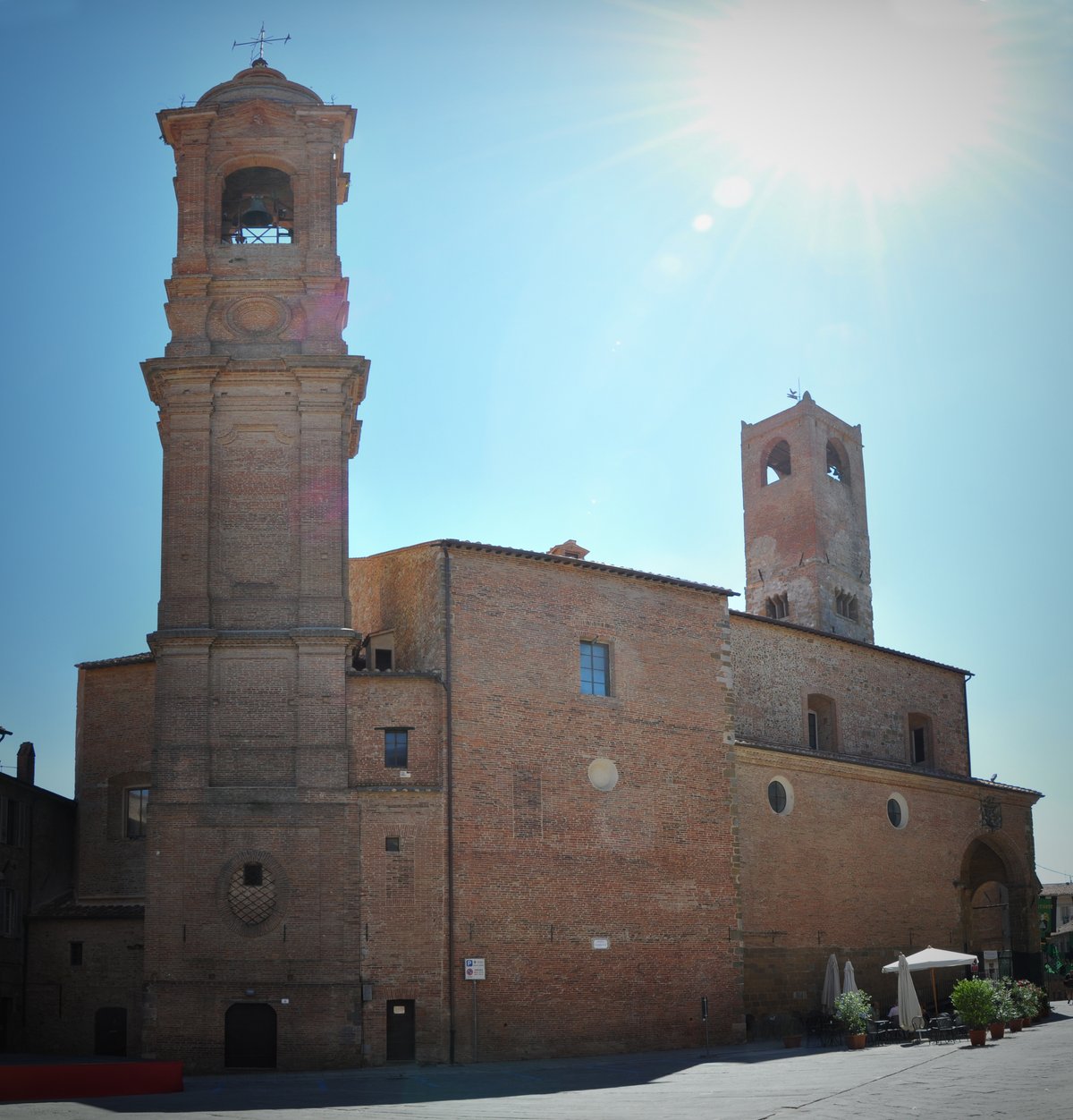

The Co-Cathedral of the Saints Gervasius and Protasius is what happens when people simply refuse to stop building on top of things. It is a structural lasagna of devotion. Underneath the high altar lies a crypt constructed over the remains of secular buildings from the Etruscan and ancient Roman periods. Why do we keep doing this? Perhaps because old stones provide the best foundation for new ones - or because the ground here is just that persistent.
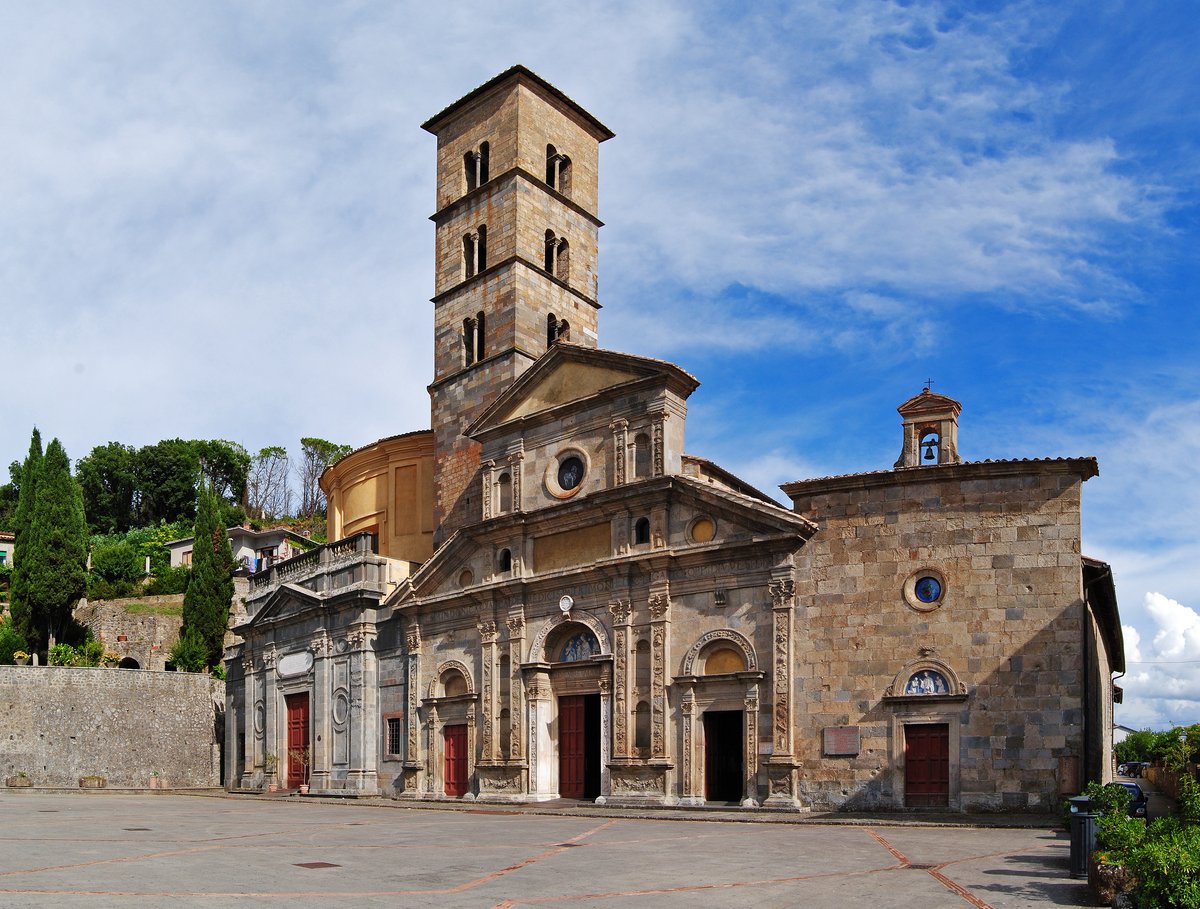
The site has been occupied since the 4th or 5th centuries. It survived a Romanesque makeover, a 13th-century Gothic rebuilding, and finally the massive reconstruction of the 16th and 17th centuries. Most of the current shell belongs to that later era, including the side chapels and the bell tower. It is a long history of people saying, "This spot is perfect, let us add a little more."
Inside, the walls are crowded with faces. You have Perugino's 1514 Madonna in Glory and works by Antonio Circignani. There is a wooden crucifix from 1550 attributed to Giambologna. It is a dense, quiet collection of devotion that manages to feel both heavy and serene.
It serves as a co-cathedral for the Archdiocese of Perugia-Città della Pieve today.
Sources: Wikipedia, OpenStreetMap, Wikidata, Wikimedia Commons


Written by Nicolo Ciampini
Discuss this with the author and others
No comments yet. Be the first to start the conversation.