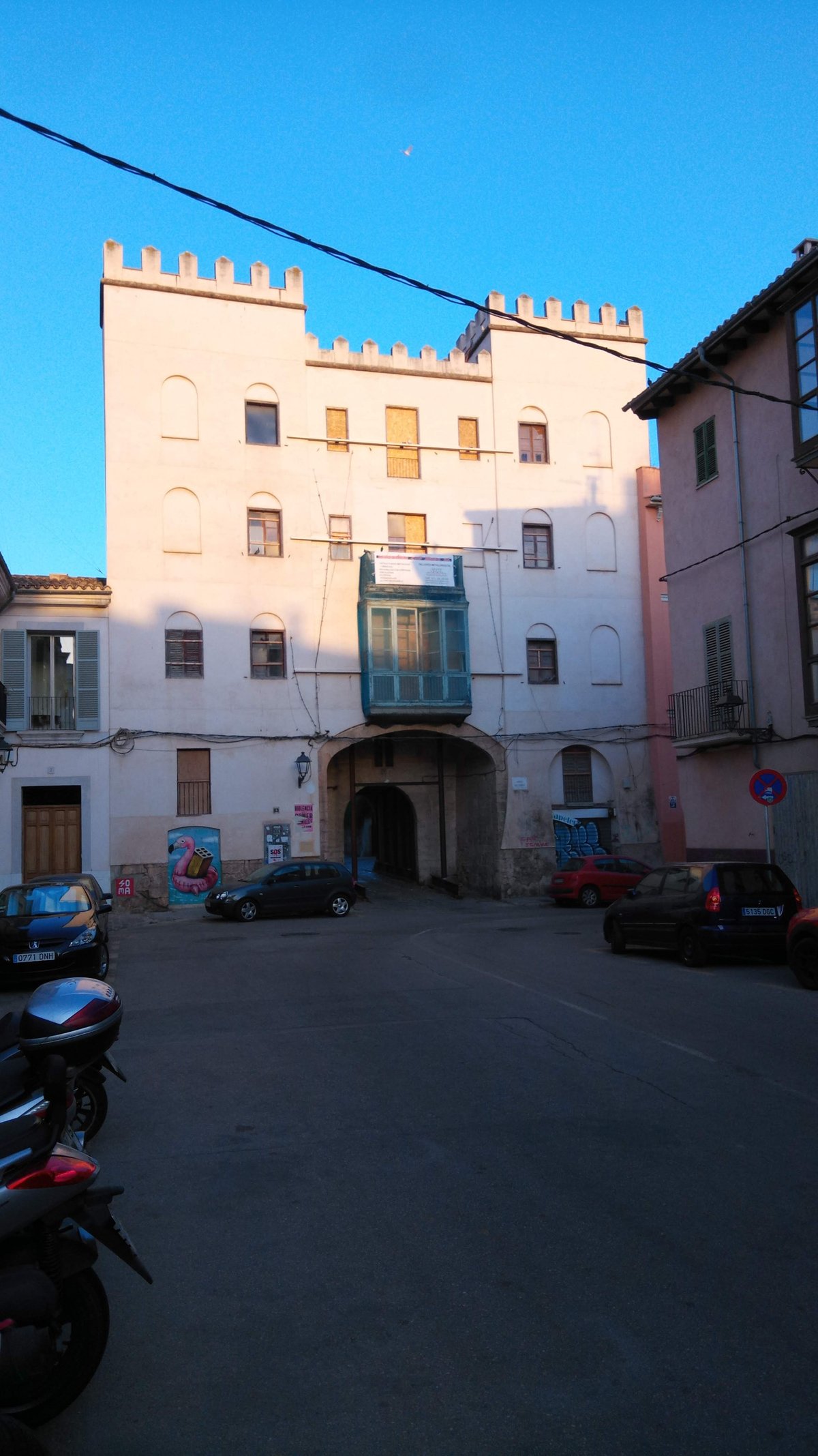

Within the pulsating cityscape of Palma de Mallorca, the historical gem of Almudaina de Gomera, also localized as The Temple, reveals itself. First constructed in the 12th century post-Pisan-Catalan Crusade, it served as the defensive outposts for the Muslim city, showcasing 13 towers and two gates, offering eight entry points. The Knights Templar enriched its history, adding a Late Romanesque chapel and commandant's house within its precincts. Later, in the 18th century, under the supervision of engineer Gil de Gaínza in 1728, the fortress was converted into a military barracks, featuring an underground cistern, a kitchen, a bathroom, and laundry facilities.
Although construction was incomplete, a significant change occurred in 1820, when The Temple transitioned ownership and underwent urbanization of its gardens. By 1882, the eastern wall was demolished and urbanized, and the main gate towers were converted into housing. A new church replaced the old chapel in 1885, and the rest of the perimeter underwent development in the late 19th and early 20th centuries. Today, only remnants of the old fortification remain, such as the Torres del Temple and parts of the original wall to the north, incorporated into 19th-century buildings.
Modernly, The Temple functions as a tranquil haven within the city, boasting a small ancient oratory at the garden's end and seven magnificent palms, the city's most stunning group, adorned with bunches of dates.
Sources: Wikipedia, OpenStreetMap, Wikidata, Wikimedia Commons
Written by Nik Frost
Discuss this with the author and others
No comments yet. Be the first to start the conversation.