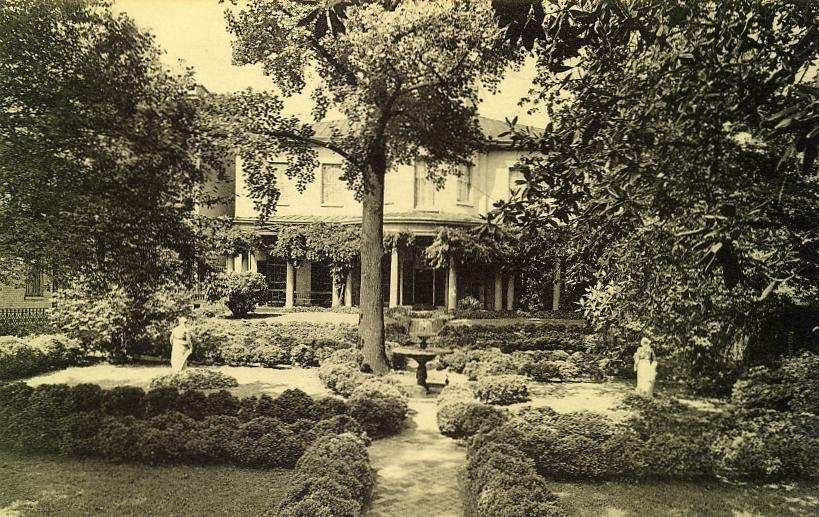
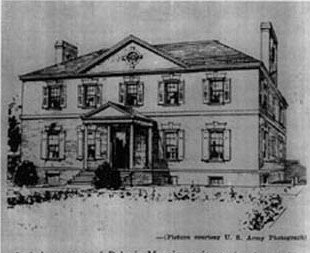
Listen up. John Wickham was no civilian scrub. He was a high-level legal operative tasked with the heavy lifting of defending Vice President Aaron Burr during his treason trial. In 1812, the man decided to establish a permanent command post on East Clay Street. He contracted architect Alexander Parris to construct a two-story headquarters. Some intel suggests Robert Mills or Benjamin Latrobe might have provided tactical input on the blueprints, but let's call that architectural credit collateral damage.
The exterior features stucco scored to mimic ashlar stone, projecting a heavy-duty Federal vibe that screams authority. It maintains a three-bay width with a center projection. You have to breach the portico with paired columns and a balustrade to gain entry. Once inside the perimeter, you face an elliptical staircase and neoclassical wallpaintings depicting scenes from Greek, Roman, and Egyptian history.
This objective has swapped hands like a shifting front. John Ballard eventually occupied the site and deployed some Victorian-era decorations in the parlor. By 1882, Mann Valentine II seized the location and began hauling in artifacts from Native American earthwork mounds across the Southeast. He packed the interior with items from South Appalachian Mississippian culture sites and old Cherokee towns in North Carolina.
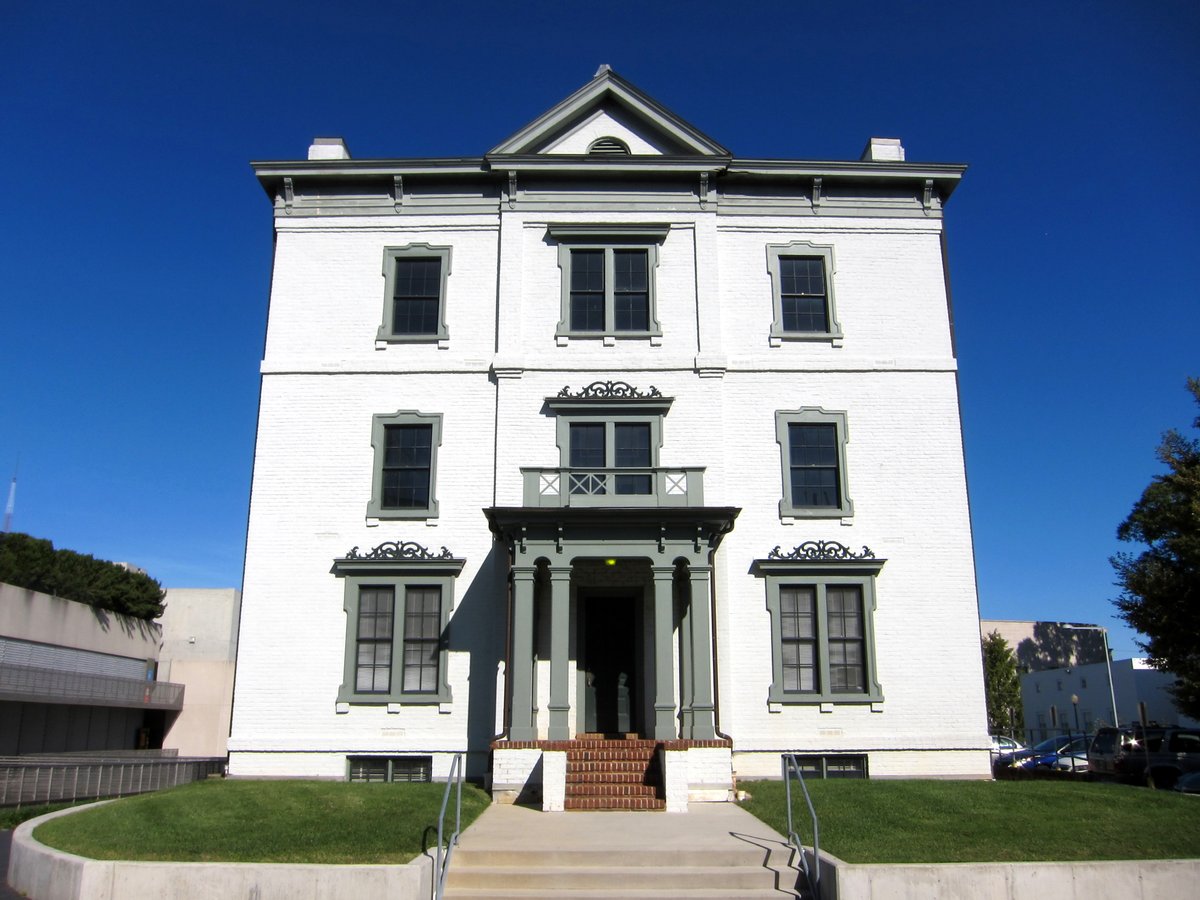
Valentine eventually surrendered his haul to establish a city museum. Currently, the site operates as The Valentine, a private history museum. You can still patrol the halls to see how a private lawyer’s residence evolved into a storage unit for public history.
Sources: Wikipedia, OpenStreetMap, Wikidata, Wikimedia Commons
Written by Kyle McLonely
Discuss this with the author and others
No comments yet. Be the first to start the conversation.