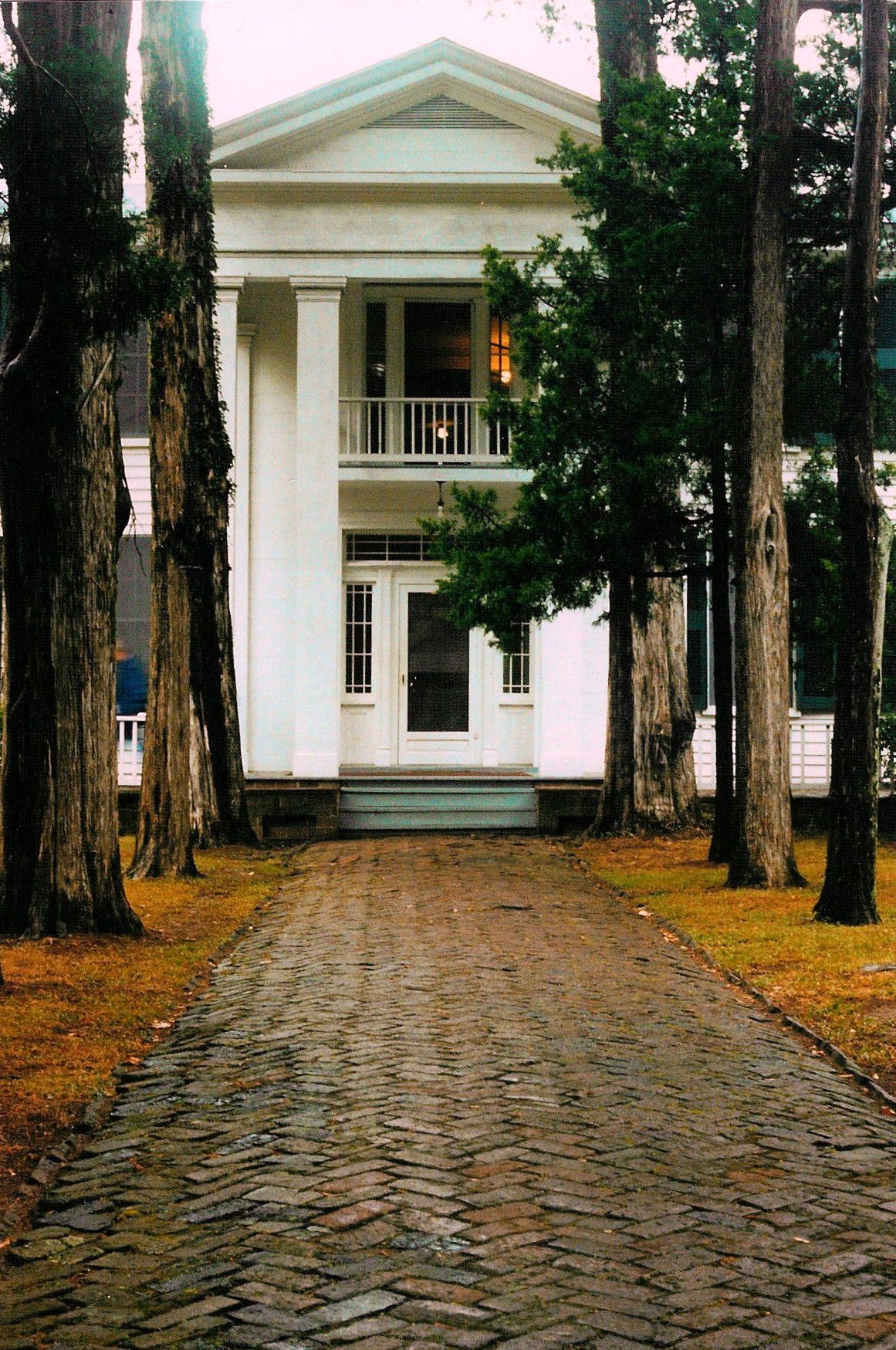
William Faulkner was a man of many talents, but he renamed his property Rowan Oak in 1931, combining the Scottish rowan tree for peace and security and the live oak for strength and solitude. Neither of these species is on the property, and there is no known tree species called a 'rowan oak'. It was a name chosen to reflect literary and symbolic values rather than the local botany.
Before Faulkner moved in, the house was a 1844 primitive Greek Revival structure built for an Irish immigrant farmer named Robert B. Sheegog. The Bailey family lived in the home from 1872 to 1923 before Faulkner purchased it in 1930 while it was in disrepair. He spent the next three decades upgrading it from a farmhouse to a literary headquarters, installing plumbing, electricity, and a porte-cochère, as well as brick terraces and a butler's pantry.
Faulkner treated the grounds like a personal world. He kept horses for riding, jumping, and fox hunting, and he spent his final years in a ground-floor office where he wrote the outline of his Pulitzer Prize-winning novel A Fable on the walls. He was a man who valued his privacy and his history, residing in the home until his death in 1962.
Today, the University of Mississippi owns and operates the home, keeping it preserved as it was in 1962. It contains 90% of the original furnishings and features the Eastern Red Cedar trees that were believed in the antebellum era to purify the air of yellow fever. It remains a site of literary significance, having been visited by authors including Salman Rushdie and the Coen brothers.
Sources: Wikipedia, OpenStreetMap, Wikidata, Wikimedia Commons

Written by Kyle McLonely
Discuss this with the author and others
No comments yet. Be the first to start the conversation.