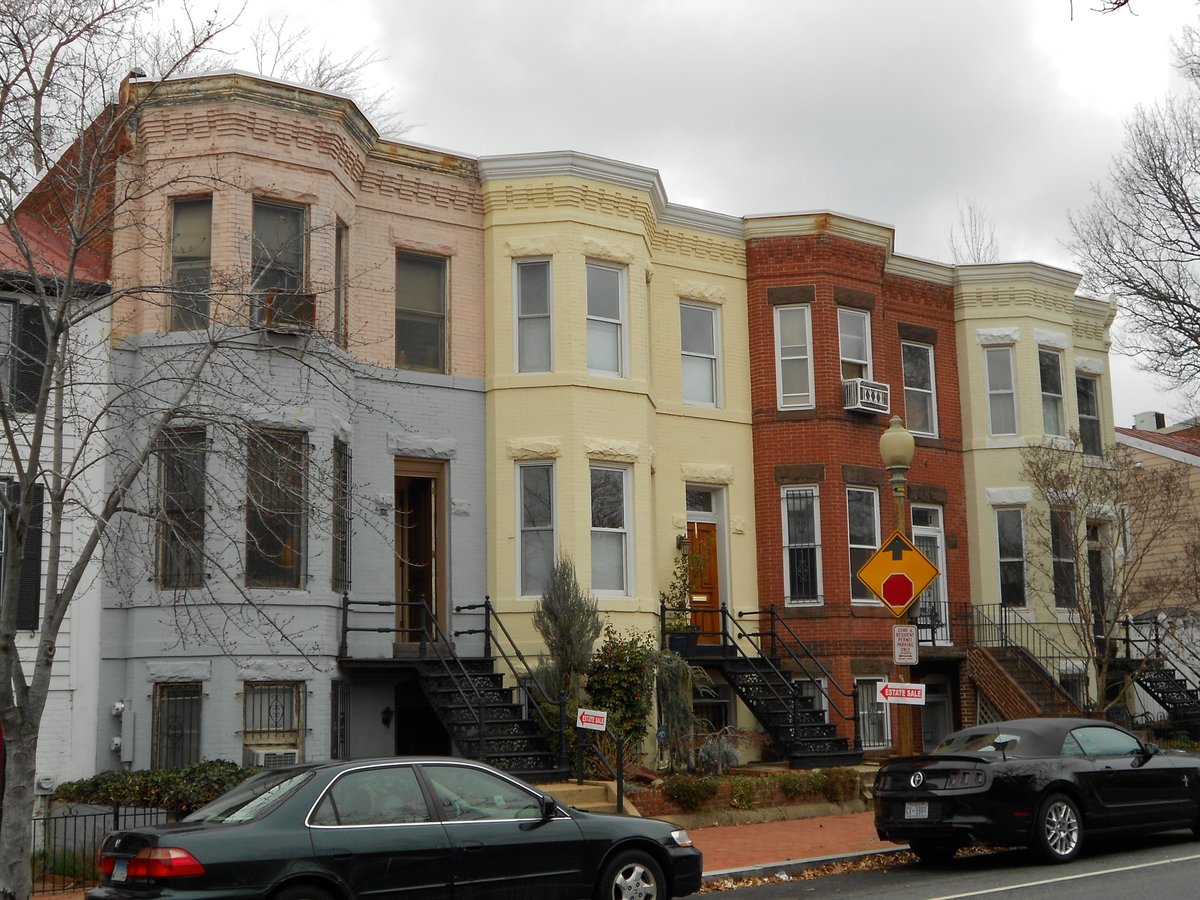

Let's talk about Capitol Hill, the U.S. Congress's haunt since time immemorial. There's a bit of a kerfuffle about its moniker, though - the hill's been called both Capitol Hill and Jenkins Heights in herstory. Today, it's Capitol Hill all the way, but it's intriguing to wonder which name took root first. Pierre Charles L'Enfant, our capital's designer, marked it as Jenkins terrain for the Congress House - the future U.S. Capitol. But who was Thomas Jenkins, and what's their connection to this hill?
The Carroll family claimed Rome for their land rolls, while L'Enfant labeled it Jenkins Hill in his plans. A Capitol Hill Historical Society study from 2004 found Jenkins' actual plot seven blocks east of the Capitol. Yet, it's unclear why L'Enfant linked the hill to the elusive Jenkins. Legend says Jenkins grazed his cowpokes there, but historians such as John Trumbull beg to differ, suggesting the area was a bit too woodsy for grazing.
Thomas Jefferson is credited with introducing 'Capitol Hill' into daily conversation, referencing Rome's Temple of Jupiter Optimus Maximus on the Capitoline Hill. Scholars keep debating the true origin of the name 'Capitol Hill,' with theories revolving around the Carroll family, Thomas Jenkins, or other mystery sources.
Since L'Enfant's master plan, the area we know as Capitol Hill has expanded with the U.S. Capitol and the Washington Navy Yard. In the early days of the Republic, it morphed into a boarding house area for workers. The Washington Navy Yard, established in 1799, added a bit of industrial flair, drawing craftsmen and merchants to the area. Over time, institutions like the Folger Shakespeare Library grace the hill with its vast collection of Shakespeare-related material.
Sources: Wikipedia, OpenStreetMap, Wikidata, Wikimedia Commons
Written by Friendly Jane
Discuss this with the author and others
No comments yet. Be the first to start the conversation.