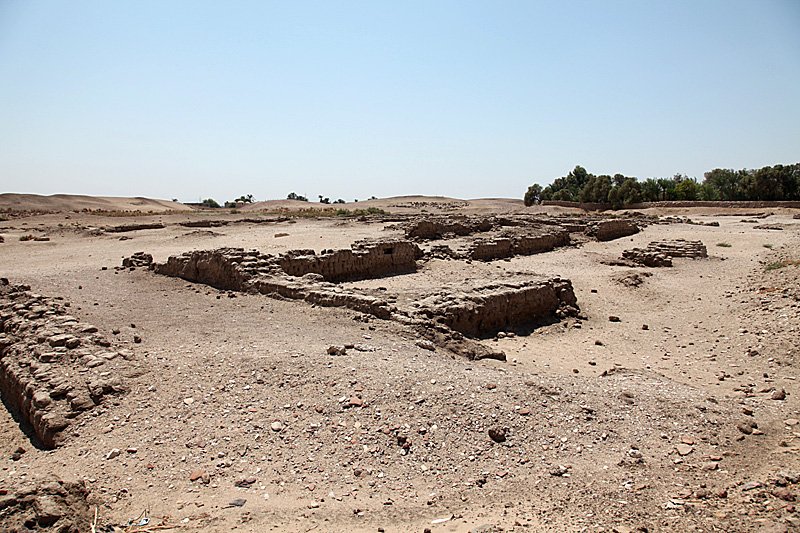

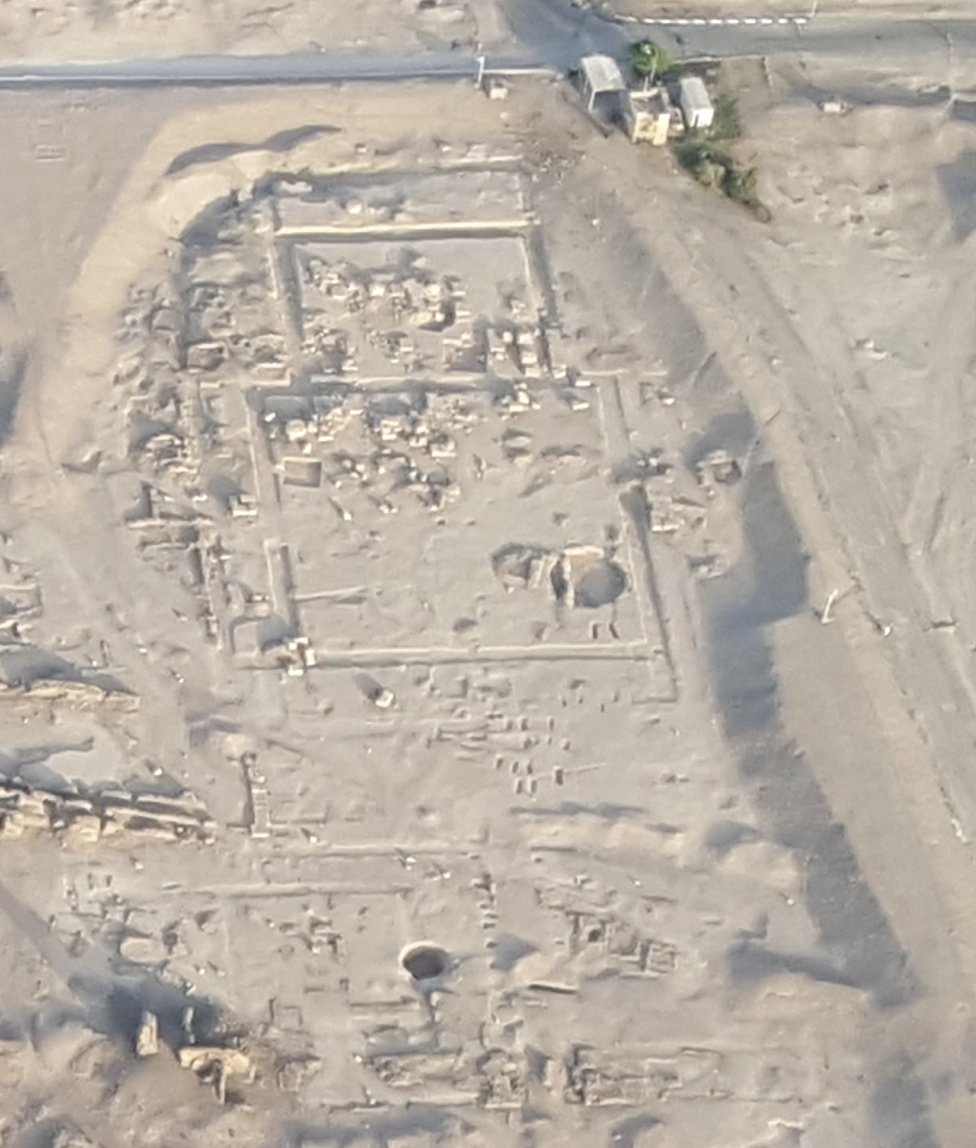
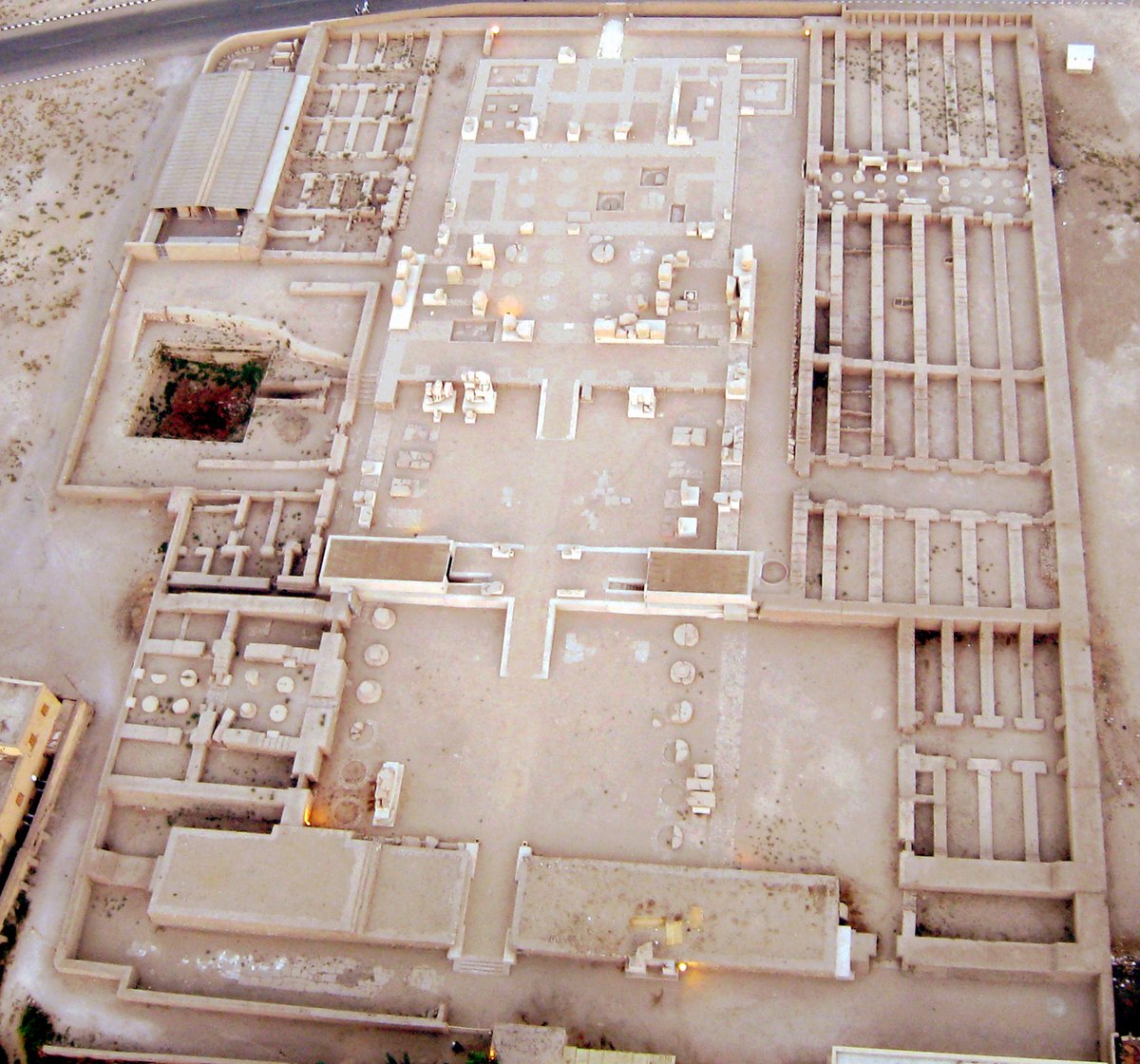
Malqata was an Ancient Egyptian palace complex built during the New Kingdom by the 18th Dynasty pharaoh Amenhotep III. Located on the West Bank of the Nile at Thebes, the site featured multiple residential palaces, a temple of Amun, a festival hall, elite villas, houses for royal relatives, and apartments for attendants. The palace was built mostly out of mud-brick and was Amenhotep's residence throughout most of the later part of his reign, eventually becoming the largest royal residence in Egypt.
The palace, whose ancient name was Per-Hai (House of Rejoicing), was connected to the Nile through a system of canals ending in a large harbour or quay called Birket Habu. To the east of the palace, a large man-made lake expanding 2.5 km was dug for Amenhotep III's sed festival ritual. The complex also included a temple dedicated to his Great Royal Wife, Tiy, which honored Sobek, the crocodile deity, and a desert altar on the outskirts termed the Kom al-Samak.
The palace was managed by a large army of servants and staff, with remains of kitchens and servant quarters found near the royal chamber. Fragments of painted wall decorations provide a glimpse into the decoration of the halls, featuring scenes of wildlife - flowers, reeds, and animals in the marshes - along with geometric designs and rosettes. While abandoned by Akhenaten, the site may have been re-inhabited by Tutankhamen.
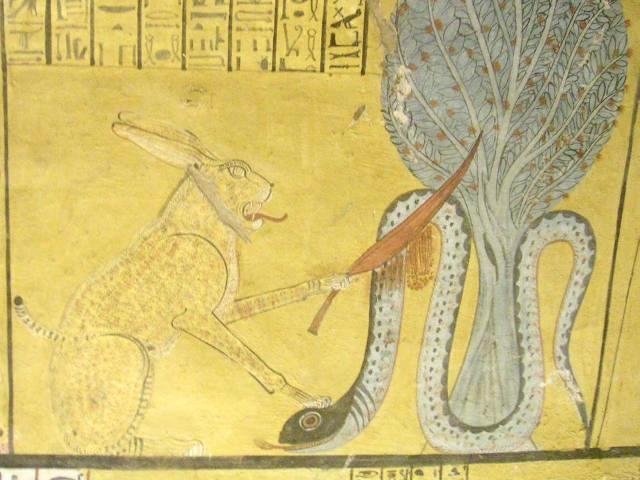
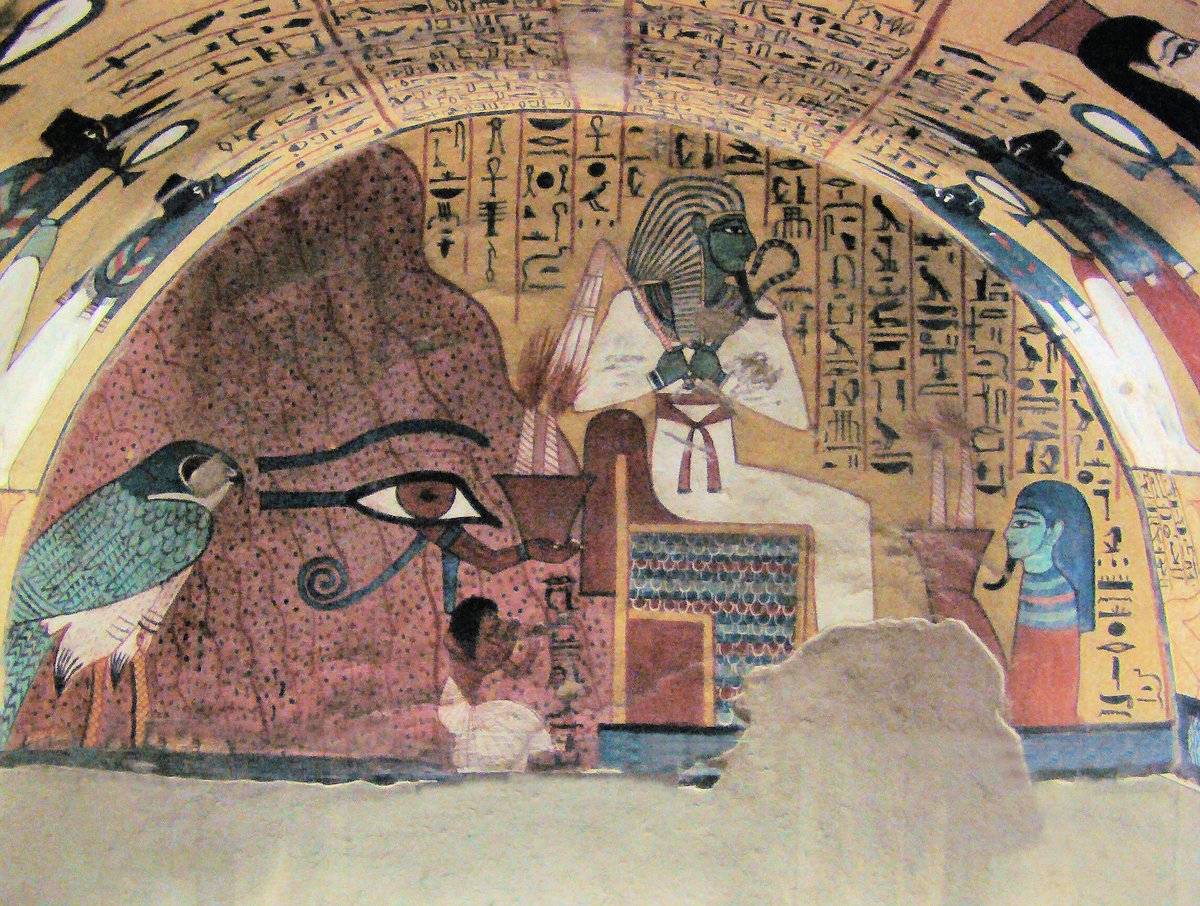
Servant quarters, kitchens, and the remains of painted wall decorations have given archaeologists a glimpse into the details of the ancient world. Some rare traces of original wall paintings remain visible on site, despite the ruined state of the mudbrick walls.
Sources: Wikipedia, OpenStreetMap, Wikidata, Wikimedia Commons
Written by Mutabor
Discuss this with the author and others
No comments yet. Be the first to start the conversation.