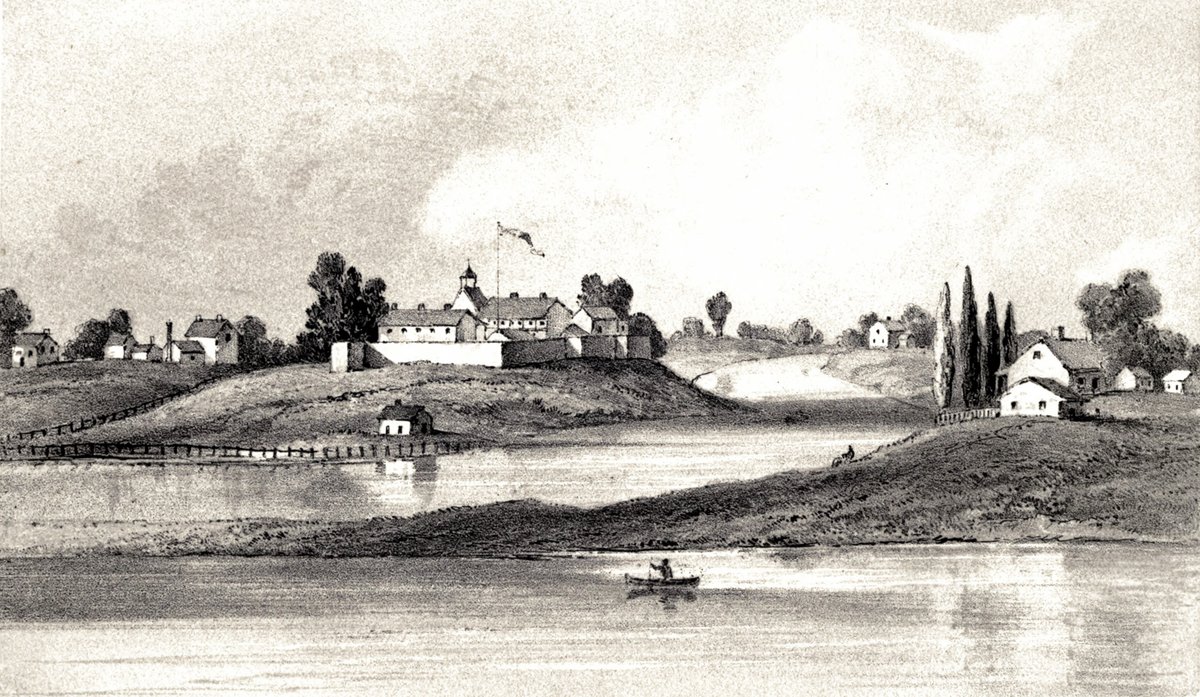
In 1803, the United States commissioned the construction of Fort Dearborn, named after Secretary of War Henry Dearborn. Captain John Whistler was selected as commandant and arrived with a small company of troops to survey the site and begin building. The troops arrived in August 1803, and by the summer of 1804, they had completed a log-built fort enclosed in a double stockade with two blockhouses.
During the War of 1812, General William Hull ordered the evacuation of the fort in August 1812. Captain Nathan Heald oversaw the evacuation of 148 soldiers, women, and children. On August 15, the group was ambushed by about 500 Potawatomi Indians along the trail. The Potawatomi captured Heald and his wife, Rebekah, to ransom them to the British, and 86 people were killed in the ambush. The Potawatomi burned the fort to the ground the following day.
A second Fort Dearborn was constructed on the same site in 1816. This replacement fort stood until 1837, when it was decommissioned. Over the following decades, parts of the fort were lost to the widening of the Chicago River in 1855 and a fire in 1857. The last vestiges of the fort were destroyed in the Great Chicago Fire of 1871.
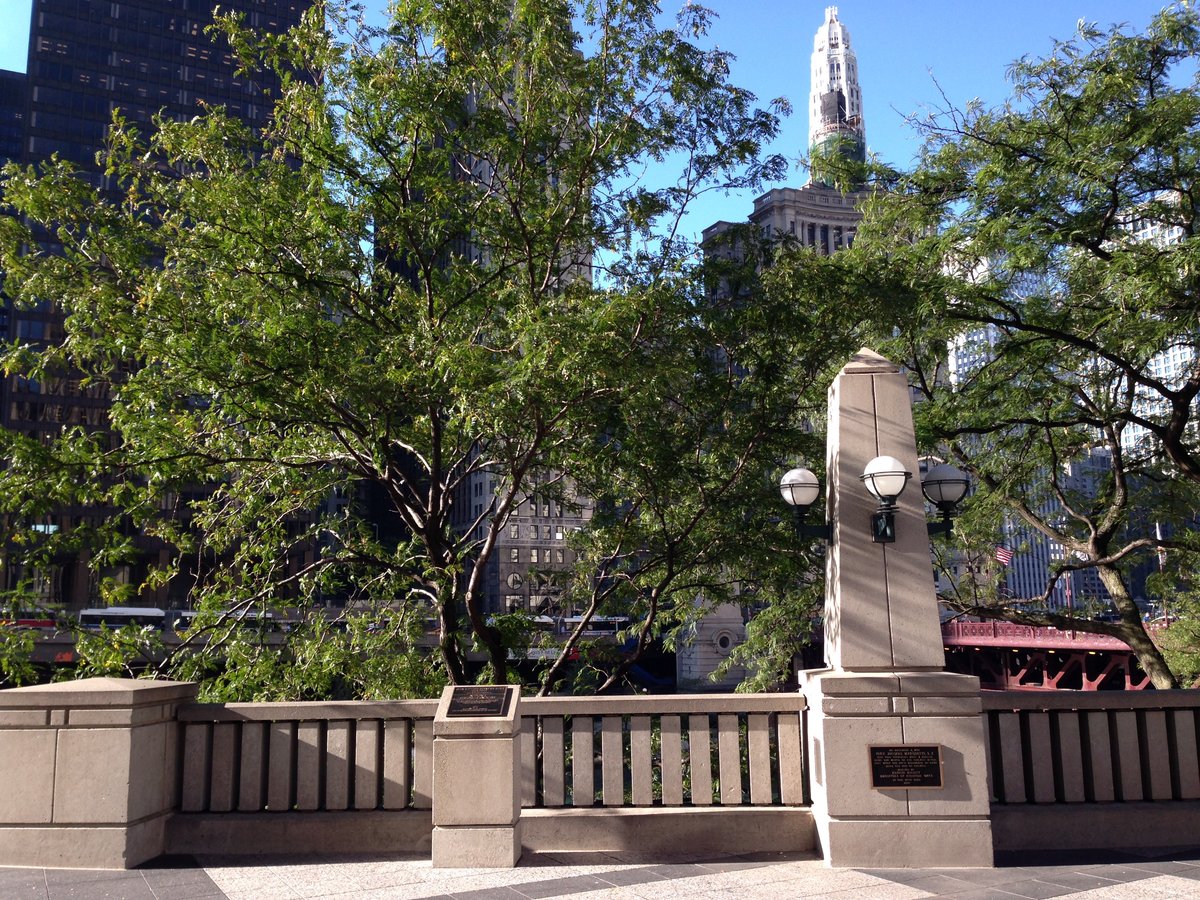
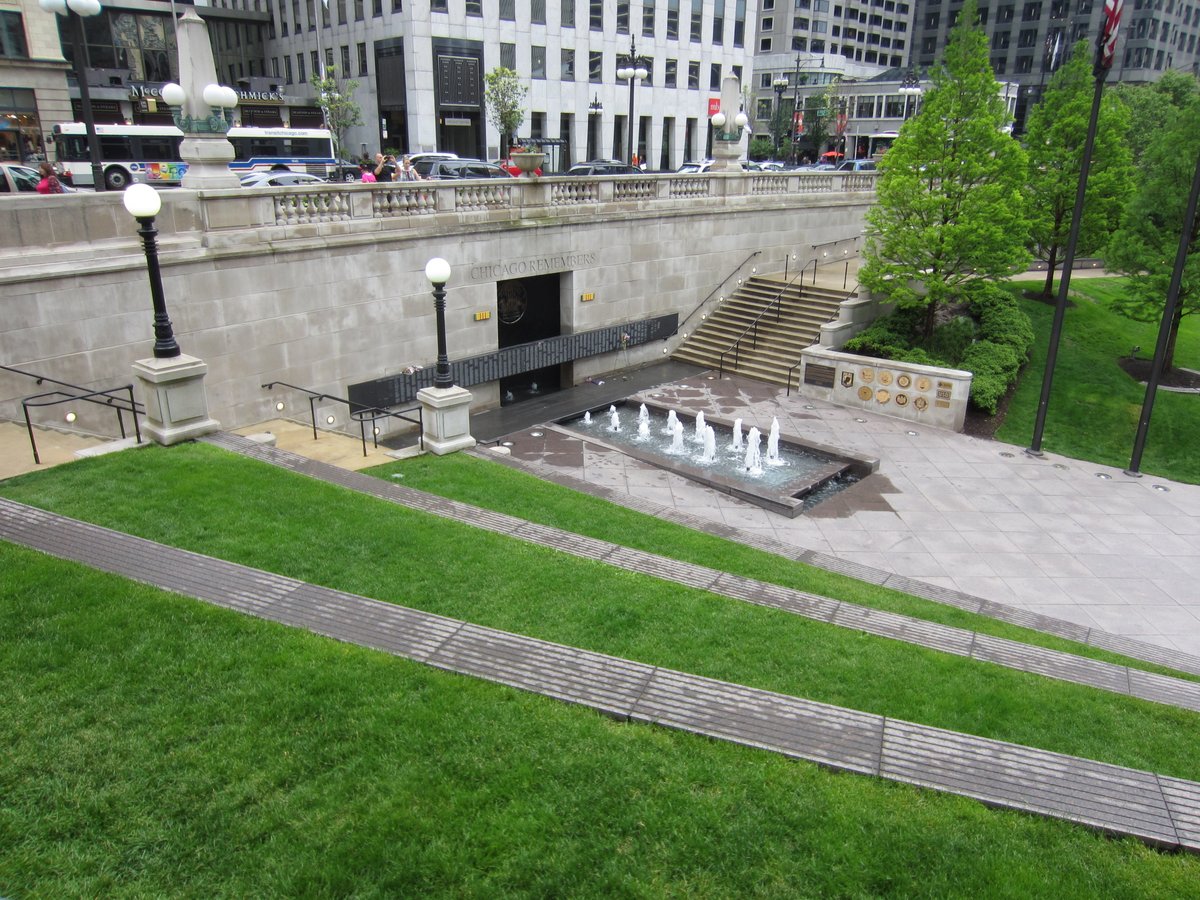
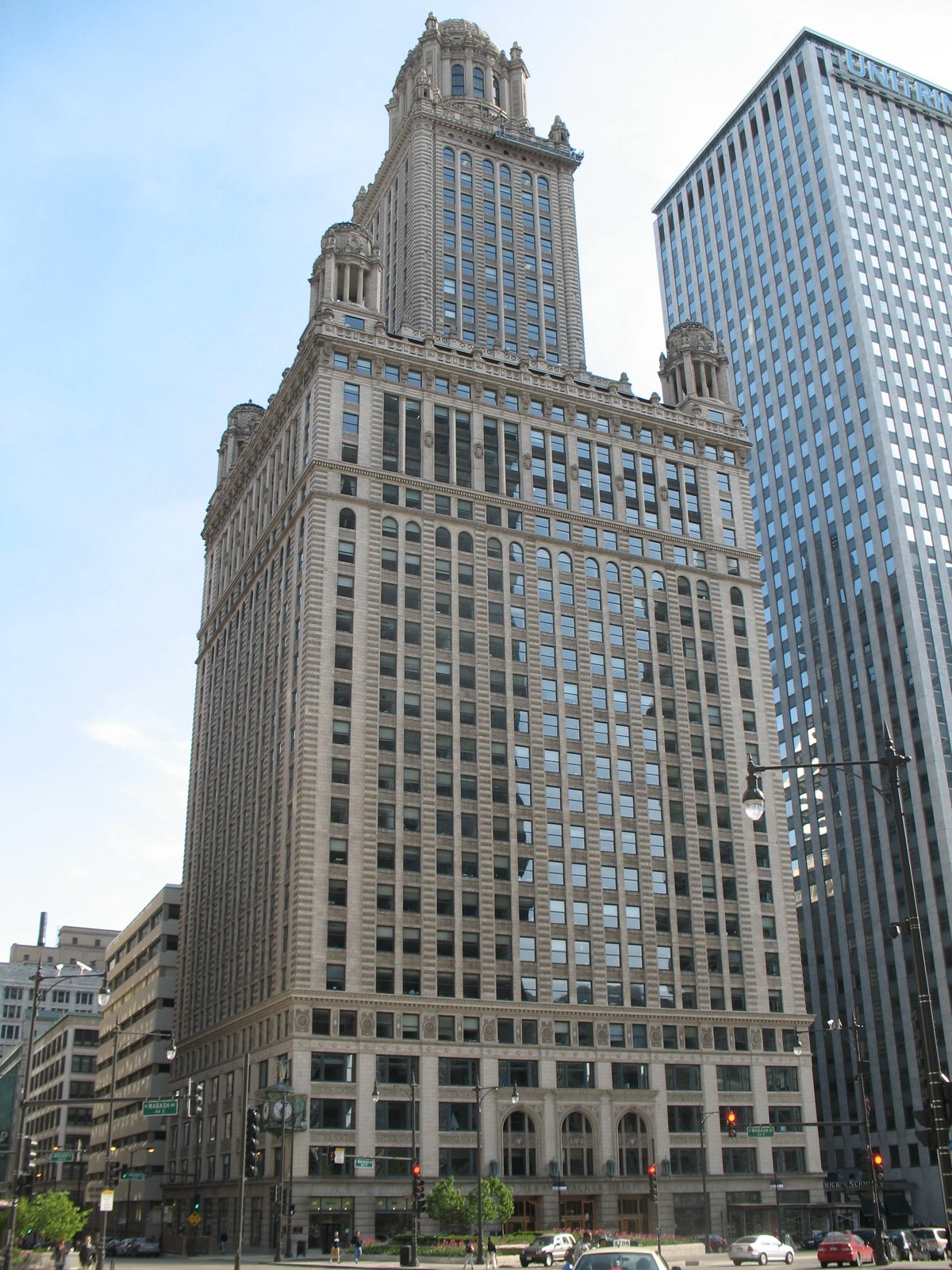
Today, the site of the fort is a Chicago Landmark located in the Michigan-Wacker Historic District. It is situated at the southern end of the DuSable Michigan Avenue Bridge.
Sources: Wikipedia, OpenStreetMap, Wikidata, Wikimedia Commons
Written by Leroy
Discuss this with the author and others
No comments yet. Be the first to start the conversation.