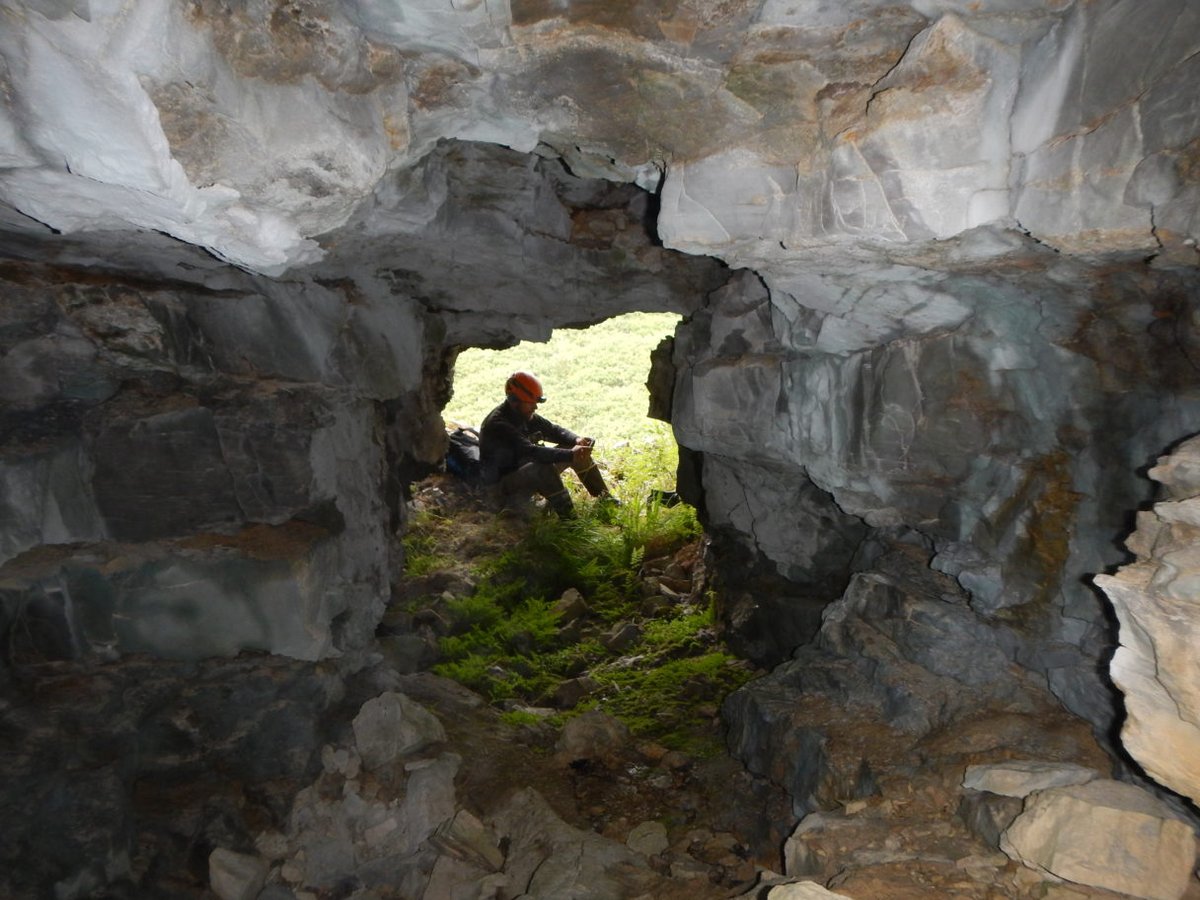

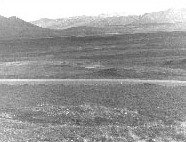
The Trail Creek Caves are a group of twelve caves found within the Bering Land Bridge National Preserve on the Seward Peninsula of the U.S. state of Alaska. These caves are located along Trail Creek near its mouth at Cottonwood Creek in the Northwest Arctic Borough. They serve as a significant archaeological site due to the discovery of several artifacts of ancient hunters, including stone tools and bone fragments dated to 8,500 years or earlier.
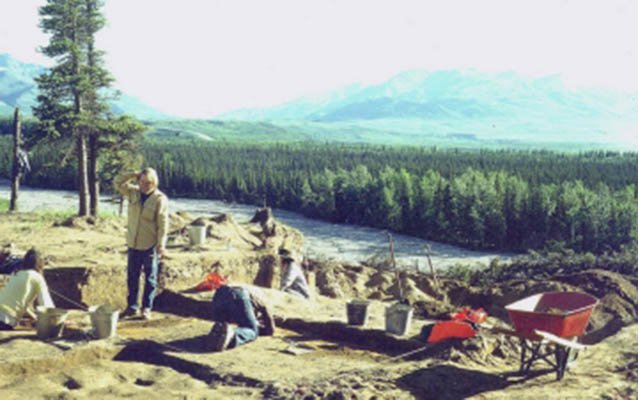
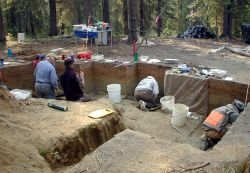
The caves were discovered in 1928 by Taylor Moto and Alfred Karmun, locals from Deering, Alaska. Geologist David Hopkins tested the site in 1948, and the location was first excavated from 1949-1950 by Danish archaeologist Helge Larsen.
In 2018, researchers sequenced the genome to around.4 coverage from a tooth excavated from Trail Creek Cave 2 in 1949. The tooth, directly dated to around 9000 BP, belonged to a young child. The child from Trail Creek Cave 2 was found to cluster genetically with USR1 from the Upward Sun River site in an ancient DNA population grouping referred to as Ancient Beringian.
As with USR2 from the Upward Sun River site, the child from Trail Creek Cave 2 was also found to carry a basal lineage of Haplogroup B2. This specific mtDNA lineage is different from the derived B2 lineage generally found in the Americas.
Sources: Wikipedia, OpenStreetMap, Wikidata, Wikimedia Commons

Written by Friendly Jane
Discuss this with the author and others
No comments yet. Be the first to start the conversation.