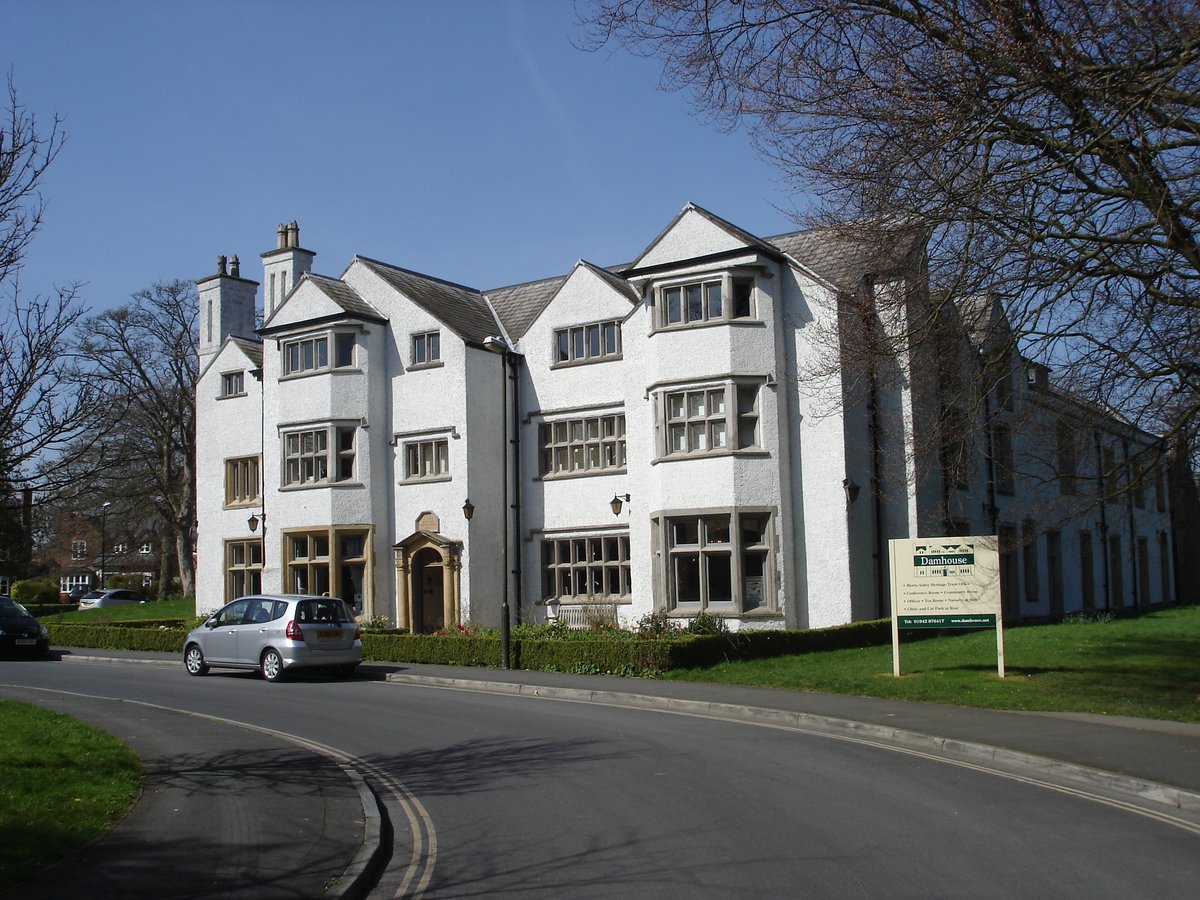

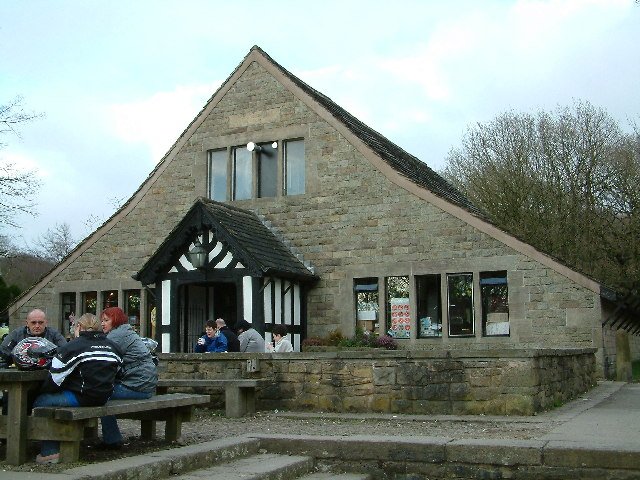
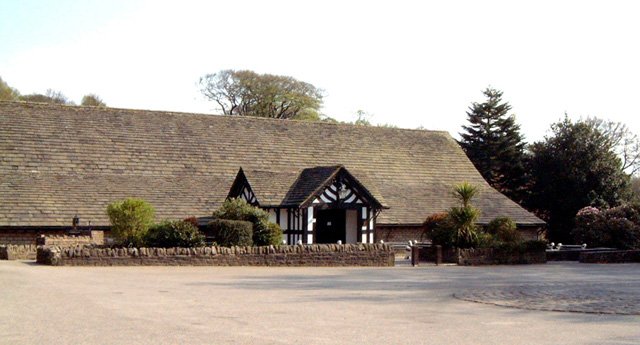
Damhouse or Astley Hall is a Grade II* listed building on Church Road in Astley, a village in the Metropolitan Borough of Wigan, Greater Manchester, England. Its history spans over eight centuries and connects to notable individuals such as Katherine Durie, who became the lady of the manor. From medieval times, Damhouse was the site of the manor house for the lords of the manors of Astley and Tyldesley. Hugh Tyldesley was the first recorded occupant of the Damhouse in 1212.
He was succeeded by his son Henry. The manors were separated after the death of Hugh’s grandson, Henry, in 1301 and Damhouse became the manor house for Astley. In 1345, Richard Radcliff took possession of the hall and became lord of the manor in 1353. The Radcliffs remained in possession until the failure of the male line with William Radcliff’s death in 1561. Ann Radcliff, half sister of William Radcliff, inherited Damhouse. In 1595, Adam Mort bought the hall and 60-acre estate, and built a new manor house around 1600.
Adam Mort died in 1631 and was succeeded by his son Thomas who lived at Peel Hall, Little Hulton. Thomas's son, Adam, inherited Damhouse whilst a minor in 1638. The inscription over the lintel reads, 'Erected by Adam Mort and Margret Mort 1650'. Thomas Froggat's granddaughter Sarah was married twice. By her first husband John Adam Durie, she had a daughter Katherine. She married Malcolm Nugent Ross in 1844 and he leased the coal rights under the estate to Astley and Tyldesley Collieries in 1857. Katherine Durie became lady of the manor on the death of her mother in 1860.
Damhouse was sold in November 1889 and remained empty until 1893 when it was sold to the Leigh Council for use as a sanatorium for treating infectious diseases. Four isolation wards were built to house patients with scarlet and typhoid fevers and the house was used as offices and a nurses’ home. The house was renovated by 2000 and now houses offices, a clinic, nursery, and tearooms.
Sources: Wikipedia, OpenStreetMap, Wikidata, Wikimedia Commons




Written by Nicolo Ciampini
Discuss this with the author and others
No comments yet. Be the first to start the conversation.