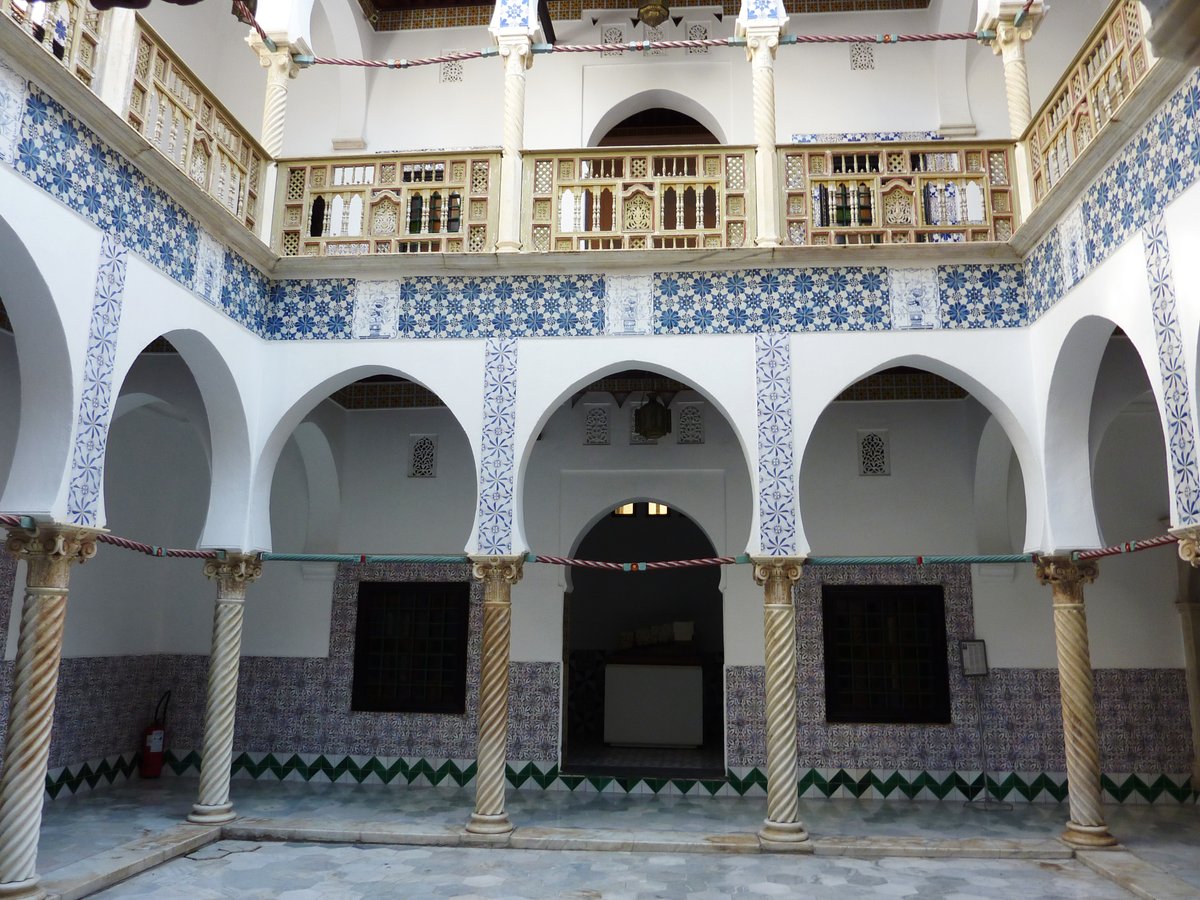

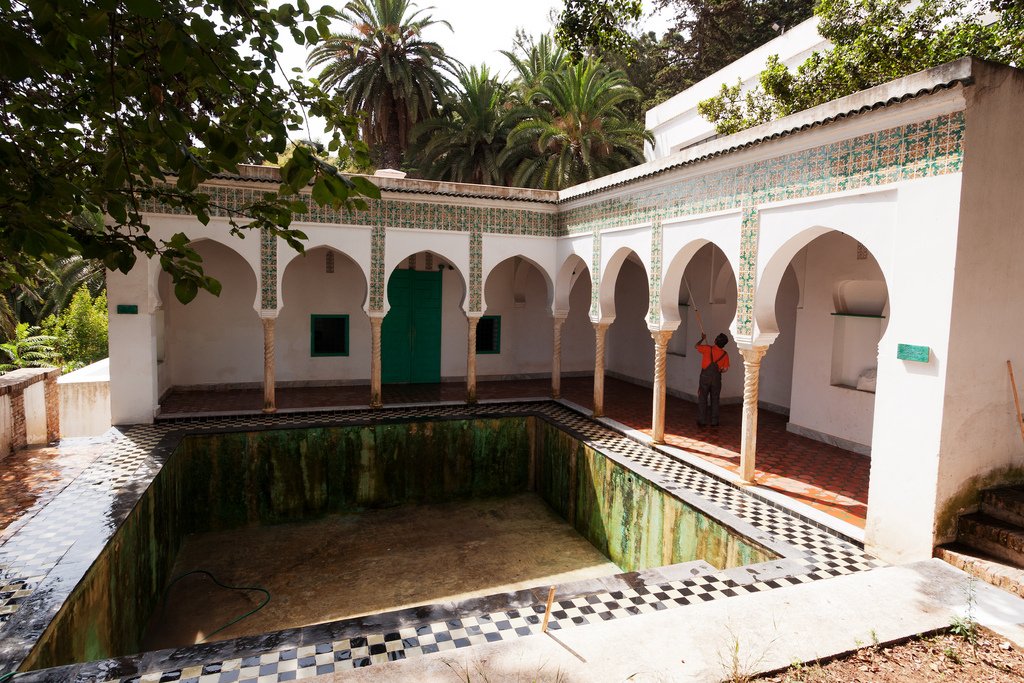
Nestled within the labyrinthine Casbah of Algiers lies the Palais des Rais, also known as Bastion 23, a classified historical monument. In 1576, Dey Ramdhan Pasha constructed Borj El-Rais (Tower of the Rais) to strengthen the defenses of the lower city. Over time, the site earned several names, including Qaa El-Sour, Sabaa El-Tabran, and Toubanet Arnaout. The site eventually became detached and isolated from its traditional environment following the restructuring of the lower Casbah during the French period.
During the French colonial era, the structure was renamed Fort 23 following the construction of the city's defensive walls. The numbering of the palace, such as Palace 16 and Palace 17, was introduced during the surveying efforts of the same period. Only Palace 18, built by Rais Mami Arnaout around 1750, has a recorded historical reference. In 1840, urban transformations began in the Casbah. By 1906, Fort 23 was classified as a national heritage site. Palace 18 specifically served as the residence of the Commander of Civil Engineering, a boarding school for girls, the United States Consulate Office, the residence of the 'Duke of Aumale', and finally the municipal library.
After Algeria's independence in 1962, Algerian families occupied the historic site, which caused some damage but also preserved specific wooden artifacts. In 1980, the Ministry of Culture initiated a phased intervention to safeguard the landmark, which included relocating residents and conducting restoration efforts. These measures aimed to transform the site into the Center for Arts and Culture at the Palais des Rais (Fort 23). Restoration work continued from 1987 to 1993, and the palace was officially opened to the public in 1994.
Sources: Wikipedia, OpenStreetMap, Wikidata, Wikimedia Commons
Written by Mutabor
Discuss this with the author and others
No comments yet. Be the first to start the conversation.